
Dog eye discharge and a cloudy eye can have several different causes, ranging from surface irritation to conditions that can affect vision.
The discharge may be watery, stringy, yellow, green, or mucus-like, while the cloudiness may look like a white, gray, blue, or hazy film over the eye.
One important detail is where the cloudiness appears. Cloudiness on the clear surface of the eye, called the cornea, can occur with an ulcer, inflammation, swelling, or injury.
Cloudiness deeper inside the eye can have a different cause, such as a cataract. In older dogs, a normal age-related change called nuclear sclerosis can also make the eyes look bluish or cloudy without being the same as a cataract.
Table of Contents
Dog Eye Discharge and Cloudy Eye: Why It Happens
A dog may have eye discharge and a cloudy eye because of corneal inflammation, a corneal ulcer, uveitis, glaucoma, infection, or another eye injury or disease.
A damaged or inflamed cornea can become cloudy, while increased tearing or discharge may occur at the same time. Glaucoma can also cause a cloudy or bluish cornea together with redness, pain, and sometimes lethargy or loss of appetite.
A cloudy eye should not be assumed to be a normal aging change, particularly when it develops suddenly or is accompanied by discharge. Veterinary assessment is important because some causes can threaten vision quickly.
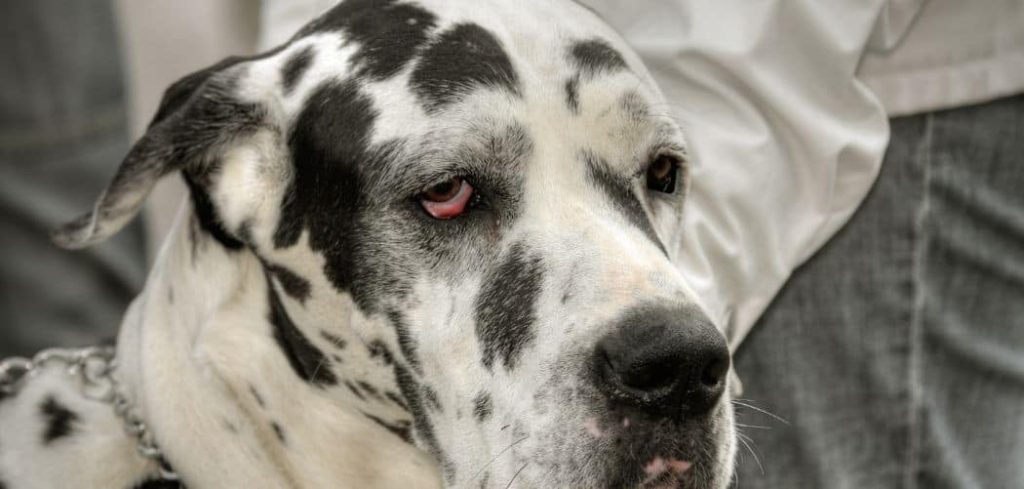
Dog Eye Discharge and Cloudy Eye: Common Causes
Corneal Ulcer or Scratch
A corneal ulcer is one of the more important causes of a cloudy eye accompanied by discharge.
The cornea can become damaged by a scratch, foreign object, blunt trauma, chemical irritation, or another problem affecting the eye. Ulcers can cause pain, squinting, tearing, discharge, redness, and cloudiness of the cornea.
A dog with a corneal ulcer may keep the affected eye partially or completely closed or repeatedly rub at its face.
Because ulcers can worsen and deeper ulcers can threaten the integrity of the eye, a cloudy, painful eye should be evaluated immediately.
Related: Dog Eye Discharge and Not Eating and Lethargic (Causes and treatment)
Corneal Inflammation
Inflammation of the cornea can cause fluid accumulation, cellular changes, blood-vessel growth, and a cloudy appearance.
The condition may affect one or both eyes. When only one eye becomes cloudy, injury or another localized problem may be involved, while bilateral disease can have different causes, including tear-film or immune-related problems.
Discharge may occur when corneal inflammation is accompanied by irritation or inflammation of the conjunctiva.
Conjunctivitis
Conjunctivitis causes inflammation of the conjunctiva and commonly produces eye discharge, redness, swelling, and increased tearing.
The discharge can be cloudy, yellow, or greenish. Conjunctivitis may occur in one or both eyes and can accompany respiratory signs such as nasal discharge, sneezing, or coughing.
However, uncomplicated conjunctivitis does not necessarily explain a truly cloudy cornea. If the clear surface of the eye itself appears hazy or opaque, the cornea should be examined for a more significant problem.
Related: Dog mucus eye discharge (Causes and treatment)
Dry Eye
Dry eye, also known as keratoconjunctivitis sicca, occurs when the eyes do not produce enough tears.
Dogs with dry eye commonly develop persistent, thick or mucus-like discharge and red, irritated eyes. Chronic dryness can also result in corneal sores, scarring, and other changes that make the eye appear cloudy.
A dog with recurrent discharge that keeps returning despite previous treatment may need tear-production testing.
Glaucoma
Glaucoma occurs when pressure inside the eye becomes abnormally high.
Acute glaucoma can cause severe pain, redness, a cloudy or discolored cornea, pupil abnormalities, and vision loss. The eye may also become enlarged as pressure remains elevated.
Glaucoma is particularly important because increased pressure can damage the structures responsible for vision. A suddenly cloudy, painful, or enlarged eye should therefore be assessed promptly.
Uveitis
Uveitis is inflammation involving structures inside the eye.
It can cause redness, pain, tearing, changes in the pupil, and cloudiness within the eye. Depending on the underlying cause, dogs may also have other signs of illness.
Because inflammation inside the eye can resemble other eye problems from the outside, a veterinarian may need to examine the internal structures and measure eye pressure.
Foreign Object
A foreign object such as plant material, dirt, or another small particle can become lodged against the eye or beneath an eyelid.
This can cause tearing, discharge, redness, squinting, and corneal damage. If the object scratches the cornea, cloudiness may develop as the cornea becomes inflamed or swollen.
Foreign material is particularly worth considering when the problem begins suddenly and mainly affects one eye.
Eyelid or Eyelash Abnormalities
An eyelid that turns inward or abnormal eyelashes that repeatedly contact the cornea can cause chronic irritation.
Over time, this irritation can lead to tearing, discharge, redness, corneal damage, and cloudiness. Corneal ulcers can also develop when the eye surface is repeatedly traumatized.
These conditions may be suspected when the same eye repeatedly develops discharge or corneal problems.
Related: Old Dog Eye Discharge (Signs, Causes and treatment)
Cataracts
A cataract occurs when the lens inside the eye becomes cloudy or opaque.
Because the lens is located behind the iris, cataract cloudiness can look different from cloudiness on the corneal surface.
Cataracts can interfere with vision and have several possible causes, including inherited predisposition, diabetes, inflammation, trauma, and other conditions.
A cataract itself does not usually explain significant eye discharge, so a dog with both cataract-like cloudiness and discharge may have another eye problem occurring at the same time.
Nuclear Sclerosis in Older Dogs
Older dogs commonly develop a normal age-related change called nuclear sclerosis, in which the lens becomes harder and develops a bluish or gray appearance.
This can look like a cloudy eye to an owner, but nuclear sclerosis is different from a cataract and usually does not cause the same degree of vision impairment.
If an older dog has both cloudy-looking eyes and persistent discharge, however, the discharge should not simply be attributed to aging. A separate eye problem may be present.
Corneal Degeneration or Deposits
Some dogs develop deposits within the cornea that make it appear cloudy, white, or opaque.
Corneal degeneration can be associated with other eye diseases or systemic conditions, and some forms can affect one or both eyes.
Whether treatment is needed depends on the type of deposit, the underlying cause, whether the eye is painful, and whether vision is affected.
Dog Eye Discharge and Cloudy Eye in One Eye
When discharge and cloudiness affect only one eye, a localized problem becomes especially important to consider.
Possible causes include a corneal scratch or ulcer, foreign material, trauma, localized inflammation, glaucoma, or an eyelid abnormality. Corneal inflammation affecting only one eye is often associated with injury or trauma.
Sudden cloudiness in one eye, particularly when accompanied by squinting, rubbing, redness, or pain, should be assessed promptly.
Dog Eye Discharge and Cloudy Eye in Both Eyes
When both eyes appear cloudy and have discharge, conditions affecting the tear film, corneas, conjunctiva, or the body more generally may be considered.
Dry eye, some inflammatory conditions, corneal disorders, and certain systemic diseases can affect both eyes. Some inherited corneal changes can also be bilateral and relatively symmetrical.
The pattern and progression still matter. Bilateral cloudiness does not automatically mean the condition is harmless.
Dog Eye Discharge and Cloudy Eye but Acting Normal
A dog may continue eating, playing, and behaving normally despite an eye problem.
Some dogs with mild conjunctivitis or a small eye irritation remain active, but normal behavior does not rule out a corneal ulcer, early glaucoma, or another condition that could affect vision.
If the eye itself appears newly cloudy, especially if the change is sudden or accompanied by squinting or discharge, it is safer to have the eye examined rather than relying on the dog’s overall behavior.
Dog Eye Discharge and Cloudy Eye but Not Red
A cloudy eye does not have to be visibly red.
Some corneal conditions can produce cloudiness before obvious redness develops, while lens changes such as cataracts or nuclear sclerosis occur deeper inside the eye.
Corneal dystrophies can also produce cloudy or opaque areas without the same inflammatory appearance seen with some injuries.
Because different structures can create a cloudy appearance, an eye examination is the best way to determine where the change is occurring.
Related: Dog Eye Discharge and Redness (Causes and what to do)
When to Call or Visit the Vet
Have your dog evaluated if eye discharge and cloudiness persist, recur, or are clearly different from the dog’s normal eyes.
Seek immediate veterinary attention if your dog has:
Sudden cloudiness or a rapidly changing eye
Squinting or holding the eye closed
Obvious eye pain or repeated face rubbing
Significant redness or swelling
Thick, persistent, or bloody discharge
A cloudy, blue, white, or opaque cornea
A visible scratch, wound, or foreign object
A pupil that looks unusually large or does not respond normally
Vision changes or difficulty navigating
An eye that appears enlarged or bulging
Recent trauma to the eye or face
Marked lethargy, weakness, or other signs of illness
Cloudiness that continues to worsen
A suddenly cloudy and painful eye, particularly when accompanied by redness, pupil changes, vision problems, or an enlarged-looking eye, warrants immediate veterinary assessment because conditions such as glaucoma or a serious corneal injury can threaten vision.
Dog Eye Discharge and Cloudy Eye: Treatment
Treatment depends on whether the cloudiness originates in the cornea, lens, or another part of the eye.
The veterinarian may examine the cornea and eyelids, check tear production, perform fluorescein staining to look for an ulcer, and measure intraocular pressure when glaucoma or another internal eye problem is suspected.
Additional testing may be needed for persistent inflammation, systemic disease, or complicated corneal disorders.
Treatment is directed at the underlying diagnosis and may involve veterinary-prescribed eye medication, treatment of dry eye, management of an ulcer or infection, removal of foreign material, or surgery for selected conditions.
Key Takeaway
Dog eye discharge and a cloudy eye can occur with corneal ulcers, corneal inflammation, dry eye, conjunctivitis, foreign objects, glaucoma, uveitis, cataracts, or other changes affecting the cornea or lens. The appearance of cloudiness alone cannot determine which structure is affected.
In an older dog, a mild bluish haze in both eyes may be normal nuclear sclerosis, but persistent discharge is not something to automatically attribute to aging.
A newly cloudy eye, especially when it is painful, red, squinting, or accompanied by vision changes, deserves closer attention.
Because some causes of a cloudy eye can progress quickly and threaten vision, a sudden or painful cloudy eye should be examined immediately rather than treated as ordinary eye discharge.