
Eating poop, known as coprophagia, is relatively common in dogs and is often behavioral or related to scavenging. A dog eating poop in winter does not automatically mean that something is wrong with your dog.
Winter can bring changes to a dog’s outdoor routine, bathroom habits, and access to waste, which may make poop eating more noticeable during the colder months.
While some dogs may continue the behavior regardless of the season, winter conditions can create circumstances that influence how and when they encounter feces.
Whether the behavior is occasional or has recently become more frequent can help determine how it should be approached.
We explain what a dog eating poop in winter may mean, how cold-weather routines can affect this behavior, and when veterinary guidance may be needed.
Table of Contents
Dog Eating Poop in Winter: Why It Happens
A dog may eat poop in winter because cold temperatures change the condition of feces and the way dogs interact with their outdoor environment. Frozen stool may remain outside longer instead of being broken down or removed, giving a dog more opportunities to find and investigate it. Some dogs appear particularly attracted to frozen feces.
Winter can also change a dog’s normal routine. Outdoor walks may be shorter, dogs may spend more time indoors, and opportunities for sniffing, exploring, and scavenging may change.
These environmental changes can make an existing poop-eating habit more noticeable.
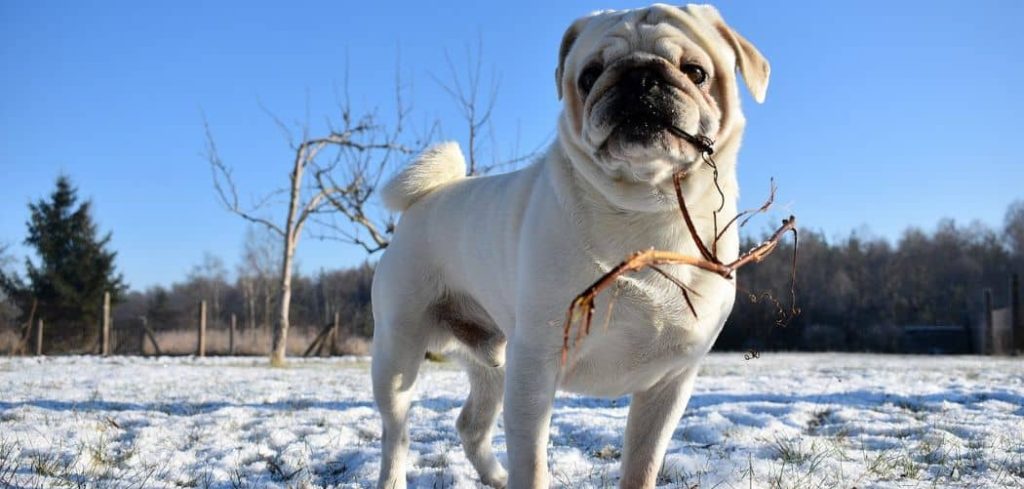
Dog Eating Poop in Winter: Common Causes
Frozen Poop Is More Accessible
One reason dog eating poop in winter may seem worse is simply that feces can remain outside for longer in cold conditions.
Fresh stool may freeze rather than quickly breaking down, leaving it available in the yard for longer.
Some dogs are particularly attracted to frozen feces, making winter a season when owners may suddenly notice more scavenging.
This does not mean that the cold is creating a nutritional deficiency or causing an illness. It may simply be giving a dog more opportunities to find something it already considers interesting.
Related: Dog eating poop on Walks (Why it happens)
Scavenging Behavior
Dogs naturally investigate their surroundings with their noses and mouths, and some are persistent scavengers.
Feces from dogs and other animals can be attractive because of their odor, texture, and any undigested food material they contain.
Eating feces can be part of normal scavenging behavior and dogs may eat stool from other animals for reasons related to its smell and nutritional content.
Winter does not eliminate this instinct. If anything, a dog that spends more time investigating a yard because outdoor activities have changed may find and consume more feces.
Related: Dog eating poop and throwing up (Why it happens)
Less Outdoor Activity
Cold weather can reduce outdoor exercise for some dogs. Walks may become shorter, and some owners may spend less time playing or training outdoors.
This does not mean that boredom directly causes every case of a dog eating poop, but changes in routine can give an existing scavenging behavior more opportunity to appear.
Dogs may also spend more time searching their environment for interesting smells and objects.
More Time in the Yard Between Cleanups
During winter, owners may be less likely to spend time outside cleaning the yard immediately after their dog eliminates.
If stool remains available, a dog that normally would not have access to it may begin eating it. Prevent access to feces and clean your dog’s environment as part of managing the behavior.
This can make the behavior appear seasonal even when the underlying tendency existed throughout the year.
Increased Appetite
Some dogs eat poop because they are unusually hungry or have an increased appetite.
Increased appetite can be normal in dogs with high energy requirements, but it can also occur with certain medical conditions.
Intestinal parasites, exocrine pancreatic insufficiency, diabetes, some hormonal diseases, and corticosteroid medications can contribute to increased appetite.
If your dog begins eating poop in winter while also acting constantly hungry, losing weight, or having digestive problems, veterinary assessment is appropriate.
Intestinal Parasites
Parasites are another possible contributor to coprophagia. Intestinal parasites can interfere with normal digestion or nutrient absorption and may be associated with changes in appetite or stool.
Dogs that eat feces from other animals can also be exposed to infectious organisms and parasites. Fecal testing when investigating medical contributors to coprophagia.
A dog that has diarrhea, weight loss, poor growth, or persistent abnormal stools should not have the behavior dismissed as simply a winter habit.
Related: Dog eating poop and has diarrhea (Causes and what to do)
Poor Digestion or Nutrient Absorption
Problems that interfere with digestion or nutrient absorption can sometimes contribute to stool eating.
If a dog’s feces contains a substantial amount of undigested food material, the stool may be more appealing to the dog.
Conditions involving digestive enzymes or intestinal absorption can also cause increased appetite and abnormal stools.
This possibility becomes more important when poop eating is accompanied by weight loss, persistent diarrhea, or a noticeably increased appetite.
A Habit That Becomes More Noticeable in Winter
Sometimes the timing is coincidental.
A dog may already have behavioral coprophagia but only become noticeably more interested in poop during winter because frozen stool remains available longer.
A dog may also have learned that feces are an interesting food source and continue seeking them whenever the opportunity appears.
Therefore, eating poop in winter does not necessarily mean winter itself is responsible.
Dog Eating Frozen Poop in Winter
Dog eating frozen poop in winter is a particularly common concern for owners because frozen feces can remain outdoors for longer.
Some dogs appear to find frozen stool especially appealing, and the cold temperature does not necessarily discourage them from eating it.
The main concern is not that frozen poop is inherently more nutritious. Rather, feces can contain parasites or infectious organisms, particularly when it comes from other animals. Eating of poop can expose dogs to potential infectious or parasitic risks.
Dog Eating Poop in Winter but Acting Normal
If your dog is eating poop in winter but otherwise has normal energy, appetite, bowel movements, and weight, a behavioral or scavenging explanation is more likely.
Some dogs simply find feces appealing, and winter can make it easier for them to access stool that remains outdoors.
A dog that has occasional coprophagia without other concerning signs may not have an underlying illness.
However, a sudden change in an adult dog’s behavior is worth monitoring, particularly if the habit persists or other symptoms develop.
Dog Eating Poop in Winter and Losing Weight
A dog eating poop in winter and losing weight may have increased hunger or an underlying digestive problem rather than the cold weather itself causing the behavior.
Some dogs expend more energy staying warm, which can increase their calorie needs, while parasites, intestinal disease, poor nutrient absorption, or an inadequate diet can contribute to both increased appetite and weight loss.
Cold weather may also change walking routines, giving a dog fewer opportunities for exercise and increasing boredom or scavenging when outdoors.
However, unexplained weight loss should not be attributed to winter alone.
If the dog continues losing weight, has increased hunger or thirst, vomiting, diarrhea, or changes in energy, veterinary evaluation is appropriate.
Dog Eating Poop in Winter and Having Diarrhea
A dog eating poop in winter and having diarrhea may be experiencing dietary upset, intestinal parasites, infection, or another gastrointestinal problem.
Eating feces can expose a dog to parasites and infectious organisms, while diarrhea can also change the smell and composition of stool and potentially make it more appealing to a dog that already scavenges.
Winter itself does not normally cause a dog to develop diarrhea, although changes in diet, treats, activity, or exposure to contaminated material outdoors can occur during colder months.
Frequent or prolonged diarrhea can cause dehydration, particularly if the dog is also vomiting or not drinking normally.
Blood in the stool, weakness, repeated vomiting, abdominal pain, or signs of dehydration need immediate veterinary care.
Related: Old dog eating poop (Causes and what to do)
When to Call or Visit the Vet
Contact your veterinarian if your dog is eating poop in winter and also has:
Persistent or worsening diarrhea
Repeated vomiting
Weight loss despite eating normally or more than usual
A sudden or extreme increase in appetite
Poor growth in a puppy
Significant lethargy or weakness
Blood in the stool or black, tarry stool
Persistent abnormal or poorly digested-looking feces
Signs of abdominal pain
Repeated coprophagia that begins suddenly in an adult dog
Known or suspected intestinal parasites
Other unexplained changes in appetite, drinking, or bowel habits
A dog that is otherwise healthy and occasionally eats stool may have a behavioral problem rather than a medical emergency, but persistent or newly developed coprophagia deserves more attention when other symptoms are present.
Dog Eating Poop in Winter: Treatment
Treatment depends on whether the behavior is primarily behavioral or connected to an underlying medical problem.
The veterinarian may perform a physical examination and recommend fecal testing, bloodwork, or additional diagnostic tests when symptoms suggest a medical cause.
If parasites, digestive disease, nutritional problems, or increased appetite from another condition are identified, treatment is directed at the underlying problem.
When no medical cause is found, management focuses on preventing access to feces, supervising the dog outdoors, cleaning stool from the environment immediately, and using training to redirect the dog away from feces.
Key Takeaway
A dog eating poop in winter is often related to scavenging and increased access to feces that remain outdoors, particularly frozen stool.
Winter itself is not usually a disease causing coprophagia, and some dogs simply become more interested in stool when it remains available for longer.
If the behavior is new, persistent, or accompanied by weight loss, diarrhea, vomiting, unusual hunger, or other changes in health, a veterinary evaluation can help determine whether an underlying medical problem is contributing.
Otherwise, the seasonal increase may simply reflect changes in outdoor access and the availability of frozen feces.


