
If your dog eats poop on walks, you may find yourself constantly watching the ground and trying to prevent your dog from grabbing feces before you can react.
Some dogs seem especially interested in other dogs’ stool, while others may suddenly start eating feces after previously ignoring it.
A dog eating poop on walks is often related to scavenging and exploration. Dogs naturally investigate their surroundings with their mouths, and feces can be particularly interesting because of its smell and the presence of undigested material.
However, persistent coprophagia—the veterinary term for eating feces—can sometimes be associated with increased appetite, gastrointestinal problems, poor nutrient absorption, or parasites.
Table of Contents
Dog Eating Poop on Walks: Why It Happens
A dog may eat poop on walks because it has access to feces from other animals and may have developed a scavenging habit.
Walks provide many opportunities for dogs to encounter interesting smells, food scraps, animal droppings, and other objects.
Unlike at home, where an owner may quickly clean up after the dog, public areas can contain feces from numerous animals.
Most cases of coprophagia appear to be behavioral, but medical problems that increase appetite, interfere with nutrient absorption, or cause gastrointestinal upset can also contribute.
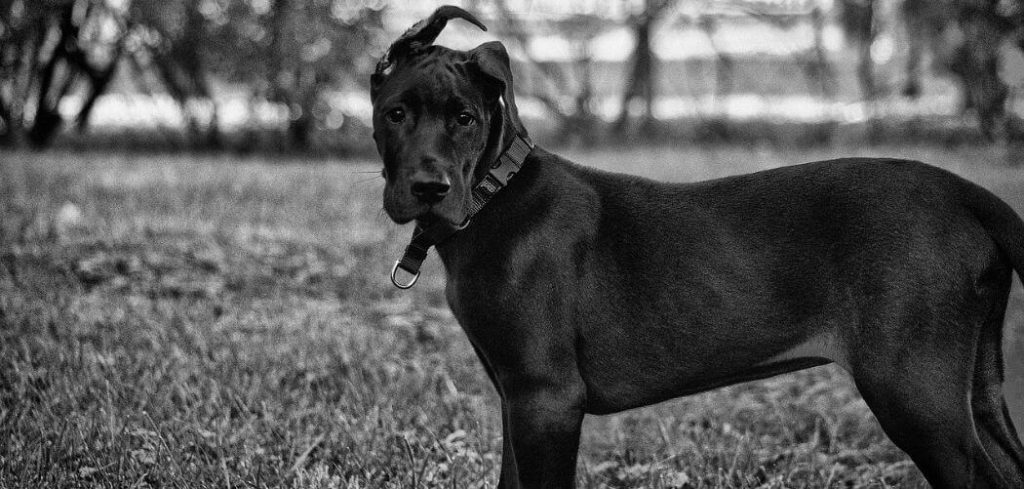
Dog Eating Poop on Walks: Common Causes
Scavenging and Exploration
Some dogs eat poop on walks simply because they are natural scavengers.
Dogs investigate their environment through smell and taste, and feces from another animal can be especially interesting.
Stool may contain odors or undigested food material that makes it appealing to a dog.
This behavior can occur even in an otherwise healthy dog and does not automatically indicate a nutritional deficiency or disease.
Related: Dog eating poop side effects (Potential side effects)
Other Dogs’ Poop May Be Especially Appealing
Some dogs are particularly interested in the feces of other dogs or animals.
The smell, texture, and dietary contents of another animal’s stool can differ from the dog’s own feces.
Dogs may therefore investigate and eat stool they encounter during walks even if they rarely show interest in their own.
This is one reason a dog may appear perfectly normal at home but repeatedly eat poop when taken outside.
Learned Coprophagia
Poop eating can become a learned habit. If a dog repeatedly finds feces on walks and successfully eats it, the behavior can become reinforced.
The more opportunities a dog has to practice the behavior, the more persistent it may become.
Puppies are particularly prone to exploratory and scavenging behaviors, and some may grow out of coprophagia as they mature with appropriate supervision.
Increased Appetite
A dog that is unusually hungry may be more likely to scavenge during walks.
Increased appetite can have relatively simple explanations, such as inadequate calorie intake, but it can also occur with conditions such as intestinal parasitism, diabetes, disorders affecting nutrient absorption, or certain medications.
If your dog has suddenly become much more food-focused and is eating poop on walks, the increased appetite may be worth discussing with a veterinarian.
Related: Dog eating poop and throwing up (Why it happens)
Intestinal Parasites
Intestinal parasites can sometimes contribute to abnormal appetite, digestive problems, weight loss, or poor growth.
Roundworms, hookworms, whipworms, and other gastrointestinal parasites can affect dogs to varying degrees. Some infected dogs show few obvious signs, while others develop diarrhea, weight loss, anemia, or poor growth.
A fecal examination may be recommended when a dog has persistent coprophagia, particularly when other gastrointestinal signs are present.
Poor Digestion or Nutrient Absorption
Problems that interfere with digestion or nutrient absorption can contribute to coprophagia.
A dog that is not properly digesting or absorbing nutrients may remain hungry despite eating an appropriate amount of food.
Poorly digested stool may also contain material that makes it more appealing to some dogs.
This possibility becomes more important when poop eating occurs alongside weight loss, chronic diarrhea, unusually large or abnormal stools, or failure to maintain normal body condition.
Gastrointestinal Upset
Digestive disorders can sometimes be associated with coprophagia.
Dogs with gastrointestinal disease may have diarrhea, vomiting, changes in appetite, abdominal discomfort, or abnormal stools.
Depending on the underlying condition, impaired digestion or changes in stool characteristics may contribute to the behavior.
A dog that eats poop on walks but has completely normal digestion is less suggestive of a gastrointestinal disorder than a dog with persistent digestive abnormalities.
Related: Dog eating poop and has diarrhea (Causes and what to do)
Stress, Excitement, or Environmental Stimulation
Walks are highly stimulating for many dogs. A dog may become intensely focused on smells and objects while outside, making scavenging behavior more likely.
Excitement, frustration, or simply the abundance of interesting smells can make a dog pay less attention to an owner and more attention to what is on the ground.
This does not necessarily mean the dog has an anxiety disorder. Sometimes the walk itself simply provides many more opportunities for normal scavenging behavior.
Dog Eating Poop on Walks but Not at Home
A dog that only eats poop on walks may simply be responding to the greater availability of unfamiliar feces outside.
At home, the owner may remove stool quickly, leaving little opportunity to practice the behavior. During walks, however, a dog may encounter feces from multiple dogs and other animals.
If the dog has normal appetite, energy, weight, and bowel movements, this pattern is often more consistent with scavenging than with a serious medical problem. Nevertheless, a sudden onset or accompanying health changes should be evaluated.
Dog Eating Other Dogs’ Poop on Walks
A dog eating other dogs’ poop on walks often happens because the dog has access to feces from other animals and has developed a scavenging habit.
Some dogs are naturally attracted to strong-smelling items, and the presence of undigested food in feces can make it particularly appealing.
The behavior can also become self-reinforcing when the dog repeatedly succeeds in finding and eating feces.
Preventing access is usually the most effective first step. Keep the dog on a shorter leash around areas where feces are present, redirect it before it reaches the stool, and reward it for moving away.
If coprophagia is sudden, frequent, or accompanied by changes in appetite, weight, digestion, or general health, discuss it with a veterinarian.
Dog Suddenly Eating Poop on Walks
A dog suddenly eating poop on walks may have developed a new scavenging habit because feces are readily accessible outdoors.
Dogs can be attracted to the smell, texture, or undigested food particles in feces, and repeated access can quickly reinforce the behavior.
Hunger, boredom, curiosity, stress, or competition with other dogs can also contribute. If the behavior is new and persistent, especially with weight loss, increased appetite, diarrhea, or other digestive changes, a veterinary check can help rule out an underlying problem.
Sudden poop eating is more worth investigating than a long-standing scavenging habit.
Dog Eating Poop on Walks and Losing Weight
A dog that is eating feces while losing weight may have a problem affecting digestion or nutrient absorption, intestinal parasites, or another condition that is increasing appetite or interfering with normal nutrition.
Dogs with some intestinal parasites can develop weight loss, diarrhea, anemia, or poor growth, although signs vary depending on the parasite and severity of infection.
Related: Old dog eating poop (Causes and what to do)
When to Call or Visit the Vet
Contact your veterinarian if your dog’s poop eating is persistent, suddenly develops, or occurs alongside other health changes.
Veterinary assessment is particularly appropriate if your dog has:
Weight loss despite eating normally or eating more
Persistent or recurring diarrhea
Repeated vomiting
Poor growth in a puppy
Blood in the stool or black, tarry stool
Unusually large, soft, greasy, or poorly digested stools
A major increase in appetite
Weakness or unusual lethargy
Signs of dehydration
Pale gums or other signs that could indicate anemia
A sudden change in bowel habits
Other unexplained changes in behavior or general health
Puppies with persistent poop eating and poor growth, diarrhea, or other digestive abnormalities deserve particular attention because intestinal parasites and other gastrointestinal problems can be important considerations in young dogs.
Dog Eating Poop on Walks: Treatment
Treatment depends on whether the behavior is primarily scavenging or whether an underlying medical problem is contributing. Your veterinarian may review your dog’s diet, appetite, weight, stool quality, and parasite-prevention history and may recommend fecal testing when appropriate.
Dogs with abnormal stools, weight loss, or other digestive signs may need additional blood or gastrointestinal testing.
If no medical cause is identified, management focuses on preventing access to feces during walks, supervising closely, keeping the dog moving away from stool, and reinforcing an alternative behavior after elimination.
Immediately removing feces from areas where your dog regularly walks can also reduce opportunities for repeated scavenging.
Key Takeaway
Dog eating poop on walks is often a form of scavenging or learned coprophagia. Walks give dogs access to many unfamiliar smells and feces from other animals, making this behavior more likely than it may be at home.
However, sudden or persistent poop eating should not always be dismissed as a bad habit. Increased appetite, intestinal parasites, poor digestion, and problems with nutrient absorption can sometimes contribute, especially when the behavior occurs with weight loss, diarrhea, abnormal stools, or poor growth.
If your dog is otherwise healthy, the main concern may be preventing repeated access to feces during walks.
If other symptoms are present, a veterinary examination and appropriate testing can help determine why the behavior has developed.


