
It can be concerning when your dog starts coughing every time they drink water. Some dogs take a few sips and then suddenly cough, gag, or choke as if the water “went down the wrong pipe.”
In many cases, this happens occasionally and is harmless. However, when coughing while drinking becomes frequent or is accompanied by other symptoms, it may indicate an underlying health problem.
Dogs rely on a complex coordination of the throat, airway, and swallowing muscles to safely move water into the esophagus and away from the lungs. When this process is disrupted, coughing can occur.
Understanding why your dog coughs while drinking water can help you determine whether the behavior is a minor issue or a reason to seek veterinary care.
Table of Contents
Dog Coughing While Drinking Water: Why It Happens
A dog coughing while drinking water may happen because of drinking too quickly, throat irritation, kennel cough, tracheal collapse, laryngeal disorders, heart disease, or other conditions that affect swallowing or the airway.
When a dog drinks, the airway briefly closes to prevent water from entering the lungs. If water accidentally enters the upper airway or irritates the throat, coughing often occurs as a protective reflex.
Occasional coughing after drinking is usually not a cause for concern, but persistent or worsening symptoms should be investigated.
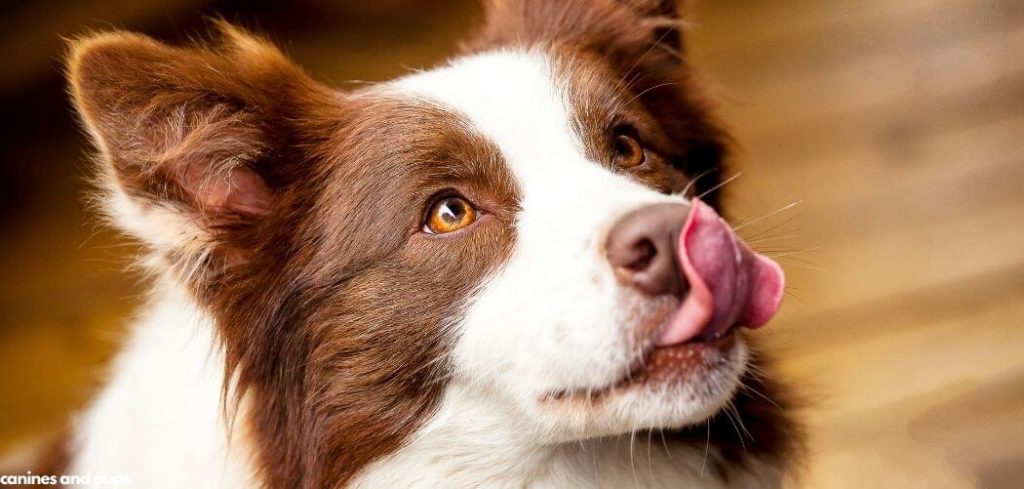
Dog Coughing While Drinking Water: Symptoms
Common symptoms may include:
Coughing after drinking
Gagging while drinking
Choking sounds
Throat clearing
Difficulty swallowing
Noisy breathing
Reduced exercise tolerance
Frequent coughing episodes
Dog Coughing While Drinking Water: Common Causes
Drinking Too Quickly
One of the most common causes of coughing while drinking water is simply drinking too fast.
Excited, thirsty, or highly active dogs often gulp large amounts of water in a short period. When this happens, a small amount of water may enter the airway before the body has time to coordinate normal swallowing.
The resulting cough is usually brief and resolves within a few seconds. The dog typically returns to normal immediately afterward and shows no other signs of illness.
Many dogs are more likely to cough after exercise, during hot weather, or after vigorous play because they drink more rapidly than usual.
If coughing occurs only occasionally and your dog is otherwise healthy, drinking too quickly is often the most likely explanation.
Related: Dog coughing after drinking water (Why it happens)
Kennel Cough
Kennel cough is a common respiratory infection that causes inflammation of the upper airways.
Dogs with kennel cough often develop a dry, hacking cough that may be triggered by excitement, exercise, pressure on the neck, or drinking water.
The irritated airway becomes highly sensitive, making coughing episodes more likely.
Many owners notice that their dog starts coughing immediately after drinking. Some dogs also gag or produce a retching sound at the end of a coughing fit.
Additional symptoms may include sneezing, nasal discharge, and mild lethargy, although many affected dogs otherwise seem normal.
Most cases improve with appropriate treatment and rest, but veterinary evaluation is recommended if symptoms persist or worsen.
Related: Dog coughing up phlegm (Causes and what to do)
Tracheal Collapse
Tracheal collapse is a condition in which the windpipe weakens and partially flattens during breathing.
This condition is particularly common in small-breed dogs such as Yorkshire Terriers, Pomeranians, Chihuahuas, and Toy Poodles. The weakened trachea becomes easily irritated, leading to coughing episodes.
Drinking water often triggers coughing because swallowing and movement within the throat place temporary pressure on the already compromised airway.
The cough is frequently described as sounding like a goose honk. Some dogs also develop exercise intolerance, noisy breathing, or difficulty breathing during excitement.
Tracheal collapse often progresses gradually and may require long-term management.
Laryngeal Dysfunction
The larynx, commonly called the voice box, plays a critical role in protecting the airway during swallowing.
When the larynx does not function properly, water may enter the airway more easily. The resulting irritation triggers coughing, choking, or gagging during drinking.
Laryngeal paralysis is one example of this problem. It occurs most commonly in older, large-breed dogs and can significantly affect breathing and swallowing.
Affected dogs may also develop noisy breathing, exercise intolerance, voice changes, and increased respiratory effort.
Because aspiration of water or food into the lungs can occur, veterinary evaluation is important whenever laryngeal dysfunction is suspected.
Throat or Esophageal Irritation
Inflammation affecting the throat or esophagus can make swallowing uncomfortable and trigger coughing.
Irritation may result from infections, acid reflux, foreign material, chronic coughing, or other underlying conditions. As water passes through the inflamed tissues, coughing may occur.
Dogs with throat irritation often swallow repeatedly, lick their lips, or appear uncomfortable when eating and drinking. Some also develop gagging, reduced appetite, or occasional regurgitation.
The severity of symptoms depends on the extent of the irritation and the underlying cause.
Prompt treatment often improves comfort and reduces coughing episodes.
Heart Disease
Certain forms of heart disease can cause coughing, particularly when fluid accumulates within or around the lungs.
Although coughing associated with heart disease is often most noticeable at night or during exercise, some dogs also cough while drinking water because the respiratory system is already irritated.
Older dogs are especially prone to developing heart-related coughs. Additional symptoms may include reduced exercise tolerance, rapid breathing, fatigue, and occasional collapse.
Because heart disease can become serious if left untreated, veterinary evaluation is important whenever coughing is persistent or accompanied by other concerning signs.
Aspiration Pneumonia
Aspiration pneumonia develops when water, food, or other material enters the lungs and causes infection or inflammation.
Dogs with swallowing disorders are at increased risk of aspiration. These dogs may cough repeatedly while drinking and may struggle to swallow normally.
Additional symptoms often include lethargy, fever, difficulty breathing, loss of appetite, and worsening cough.
Aspiration pneumonia can become a serious medical condition requiring prompt veterinary treatment.
Because early intervention improves outcomes, dogs showing signs of respiratory illness should be evaluated quickly.
Dog Coughing While Drinking Water: What to Do
If your dog coughs while drinking water, observe the circumstances carefully.
Helpful steps include:
Monitor how often the coughing occurs.
Slow down rapid water consumption.
Offer smaller amounts of water at one time.
Watch for changes in breathing.
Note any coughing unrelated to drinking.
Record episodes to show your veterinarian.
Monitor appetite and energy levels.
Occasional coughing may be harmless, but recurring episodes deserve attention.
When to Call or Visit the Vet
Seek veterinary care if your dog has:
Frequent coughing while drinking
Difficulty swallowing
Choking episodes
Noisy breathing
Reduced appetite
Lethargy
Exercise intolerance
Persistent cough
Signs of respiratory distress
Seek emergency care immediately if your dog struggles to breathe, collapses, or develops blue or gray gums.
Dog Coughing While Drinking Water: Treatment
Veterinary assessment includes a physical examination and evaluation of your dog’s respiratory and swallowing function.
Diagnostic testing may include chest X-rays, airway examinations, blood work, heart evaluations, swallowing studies, or advanced imaging depending on the suspected cause.
Treatment depends on the diagnosis. Some dogs simply need management of rapid drinking habits, while others require treatment for infections, tracheal collapse, laryngeal dysfunction, heart disease, or aspiration pneumonia.
Recovery and Monitoring
Recovery varies according to the underlying cause. Dogs with mild throat irritation or kennel cough often recover within days to weeks.
Chronic conditions such as tracheal collapse or heart disease may require long-term management.
Monitor your dog’s coughing frequency, breathing, appetite, and activity level during recovery. Report any worsening symptoms to your veterinarian promptly.
Regular follow-up visits may be recommended to ensure treatment remains effective.
Key Takeaway
A dog coughing while drinking water is often caused by water briefly entering the airway, especially when a dog drinks too quickly.
However, persistent coughing can also result from kennel cough, tracheal collapse, laryngeal dysfunction, throat irritation, heart disease, or aspiration pneumonia.
Occasional coughing is usually harmless, but repeated coughing episodes should not be ignored. Symptoms such as difficulty swallowing, noisy breathing, lethargy, or respiratory distress warrant veterinary evaluation.
The good news is that many causes of coughing while drinking can be successfully managed once the underlying problem is identified.
A veterinary examination can help determine the cause and ensure your dog receives appropriate treatment.


