
A dog coughing after drinking water can be startling, especially when it happens suddenly or repeatedly.
While a single cough may be harmless, frequent coughing after drinking often signals something irritating the throat, influencing the airway, or affecting the way your dog swallows.
We outline the common reasons why a dog may cough after drinking water, what you can do, and when to seek veterinary care.
Table of Contents
Dog Coughing After Drinking Water: Why It Happens
A dog may cough after drinking water when the liquid irritates an already sensitive throat, enters the airway instead of the esophagus, or triggers coughing due to underlying respiratory or structural issues.
This can happen with excitement drinking, kennel cough, allergies, acid reflux, tracheal collapse, or problems with swallowing mechanics.
Some dogs cough because they drink too fast, while others have an airway condition that becomes more noticeable during or after swallowing.
Even water temperature or contaminants can irritate sensitive tissues in certain dogs.
Occasional coughing after drinking water can be normal and harmless in dogs, especially if they drink too quickly, get excited, or briefly “mis-swallow” and let a small amount of water irritate the throat. In these cases, the cough is usually short, happens once in a while, and the dog otherwise behaves completely normally.
However, it becomes less normal if it happens frequently or every time the dog drinks.
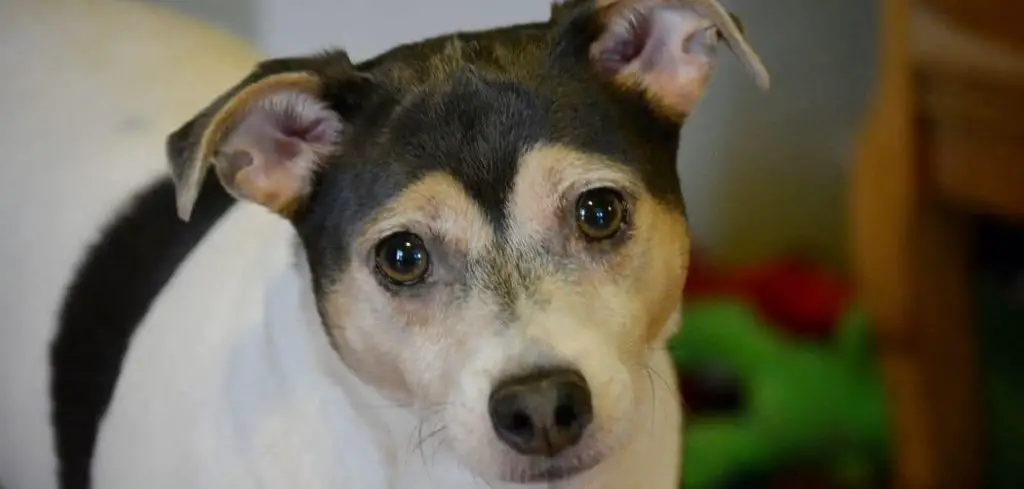
Dog Coughing After Drinking Water Every Time
A dog that coughs every time it drinks water may be experiencing irritation of the throat, swallowing difficulties, airway disease, or a condition affecting the larynx or esophagus.
Some dogs drink too quickly and accidentally inhale small amounts of water, triggering a cough reflex. However, coughing after every drink is not considered normal and may indicate an underlying medical issue.
If the coughing is frequent or worsening, a veterinary examination is required.
Persistent coughing after drinking can sometimes increase the risk of aspiration, where fluid enters the airways instead of the esophagus.
Dog Coughing After Drinking Water: Common Reasons
Drinking Water Too Quickly
Many dogs gulp water rapidly, especially after exercise, in warm weather, or when excited. When a dog drinks too fast, water can splash onto the larynx or enter the wrong tube, stimulating a reflexive cough.
You may see your dog stop mid-drink, cough sharply once or twice, then continue like nothing happened.
This is usually harmless, but if it happens frequently, it may indicate throat sensitivity or an underlying irritation, making the reflex more easily triggered.
Dogs with flat faces, such as bulldogs and pugs, are especially prone to this because of their compact airway structure.
Related: Dog coughing up white foamy mucus (What it means)
Kennel Cough
Dogs with kennel cough often have a very sensitive trachea. When they drink water, even mild stimulation can trigger coughing fits.
The irritation in the airway makes it difficult for water to pass smoothly without setting off the cough reflex.
These dogs typically have a dry, hacking cough that may worsen after drinking, barking, or pulling on a collar. Sometimes the cough ends in gagging or bringing up clear mucus.
Because kennel cough is contagious, coughing after drinking water in combination with other signs—like hacking, snorting, or throat clearing—should always be monitored carefully.
Tracheal Collapse
Small breeds such as Yorkies, Chihuahuas, Pomeranians, and Shih Tzus are especially prone to tracheal collapse, a condition where the windpipe softens and narrows.
When these dogs drink water, the change in airway pressure can make the trachea flutter or collapse more, triggering a honking cough.
Drinking with the head lowered can temporarily worsen the airway narrowing, making coughing more frequent immediately after water intake.
You may also notice gagging, wheezing, or noisy inhaling alongside the coughing episodes. While early-stage tracheal collapse is manageable, it tends to progress over time without treatment.
Reverse Sneezing or Upper Airway Sensitivity
Some dogs experience reverse sneezing or irritation in the upper airway when water touches the back of the throat.
This sensitivity can trigger coughing, snorting, or rapid inhalations, especially in smaller dogs or dogs with elongated soft palates.
The cough may sound dramatic, but it usually resolves within seconds. Still, frequent episodes may indicate airway inflammation, allergies, or early structural changes in the airway.
Laryngeal Dysfunction
The larynx normally closes during swallowing to keep water out of the airway. If the laryngeal muscles are weak or partially paralyzed, small amounts of water may be misdirected toward the airway, causing immediate coughing.
This condition is more common in older dogs and larger breeds. You may also notice voice changes, noisy breathing, or difficulty exercising.
Because aspiration pneumonia is a risk, coughing after drinking water in these dogs should never be ignored.
Allergies
Dogs with seasonal or environmental allergies often have inflamed, sensitive throats. Drinking water may momentarily irritate these tissues, triggering coughing or throat clearing.
Allergic dogs may also sneeze, lick their paws, or have mild post-nasal drip. Even filtered or cold water can cause temporary irritation if the throat is already inflamed.
Dry air, dust, scented cleaners, and smoke can worsen the sensitivity, making coughing after drinking more frequent.
Acid Reflux (GERD)
Acid reflux irritates the back of the throat and upper airway. When a dog drinks water, even small amounts may trigger coughing or gagging because the tissues are already inflamed.
Reflux-related coughing often occurs early in the morning or after eating. You may notice lip licking, swallowing repeatedly, burping, or vomiting foamy liquid.
Although drinking water itself doesn’t cause reflux, the act of swallowing can expose irritated tissue, resulting in coughing fits.
Read more: Dog Coughing Up Clear Mucus (Why it happens)
Why Does My Dog Cough After Drinking Water and Eating?
A dog that coughs after both drinking and eating may have difficulty swallowing or a problem affecting the throat, esophagus, or airway.
Food and water normally travel safely down the esophagus, but certain medical conditions can interfere with this process and trigger coughing after meals or drinks.
Some dogs may also eat or drink too quickly, increasing the chance of choking or aspiration.
Because coughing occurs with both activities, veterinary evaluation is recommended to determine whether a swallowing disorder, respiratory condition, or anatomical abnormality is present.
Dog Coughs After Drinking Water But Not Eating
If a dog only coughs after drinking water and not after eating, the liquid may be entering the airway more easily than solid food.
Water moves quickly through the throat and can trigger coughing if swallowing is not perfectly coordinated. Some dogs also drink too fast, especially after exercise or excitement.
Although occasional coughing may be harmless, repeated episodes should be investigated.
A veterinarian can assess the dog’s throat, airway, and swallowing function to determine whether an underlying condition is causing the problem.
Dog Coughing After Drinking Water and Vomiting
If a dog coughs after drinking water and then vomits, the coughing may be severe enough to trigger gagging and vomiting.
This can occur when water irritates the throat or enters the airway, causing a strong cough reflex. In some cases, underlying respiratory or digestive disorders may contribute to both symptoms.
Repeated coughing and vomiting can lead to dehydration and should not be ignored.
Veterinary assessment is required, especially if episodes occur frequently or are accompanied by lethargy, breathing difficulties, or appetite changes.
Dog Coughing After Drinking Water After Surgery
A dog that starts coughing after drinking water following surgery may be experiencing temporary throat irritation from the breathing tube used during anesthesia. Mild coughing can occur for a few days as the throat heals.
Some dogs may also be groggy after surgery and have slightly impaired swallowing coordination, making them more likely to cough when drinking.
However, persistent, worsening, or severe coughing should be reported to your veterinarian.
Complications such as respiratory infections, aspiration pneumonia, or underlying airway problems may need to be ruled out, especially if your dog also has difficulty breathing, lethargy, or a reduced appetite.
Dog Coughing After Drinking Water and Heart Disease
Heart disease can sometimes cause coughing that becomes more noticeable after drinking water, eating, exercising, or excitement.
Dogs with heart conditions may have fluid accumulation in or around the lungs or an enlarged heart that places pressure on the airways, making them more sensitive to irritation.
Drinking water may trigger a cough that was already present due to the underlying cardiac condition.
If a dog with known or suspected heart disease develops frequent coughing, veterinary evaluation is important.
Changes in coughing patterns can sometimes indicate progression of the disease or the need for adjustments in treatment.
Puppy Coughing After Drinking Water
Puppies often cough after drinking water because they become excited and drink too quickly, causing water to “go down the wrong way.”
This usually results in a brief coughing episode that resolves within seconds. In most cases, occasional coughing after drinking is harmless.
However, if the puppy coughs regularly, struggles to swallow, develops nasal discharge, or shows signs of illness, veterinary evaluation is important to rule out respiratory infections, congenital abnormalities, or swallowing disorders.
Old Dog Coughing After Drinking Water
An older dog that coughs after drinking water may have age-related changes affecting the throat, airway, or swallowing mechanism.
Conditions such as laryngeal paralysis, collapsing trachea, heart disease, or neurological disorders can make it more difficult for senior dogs to swallow normally and protect their airways.
Because these conditions are more common in older dogs, persistent coughing after drinking should be evaluated by a veterinarian. Early diagnosis can help prevent complications such as aspiration pneumonia.
How to Stop Dog Coughing After Drinking Water
The best way to stop coughing after drinking water is to identify and address the underlying cause.
Give your dog a calm, comfortable environment and observe how often the coughing occurs. If your dog drinks too fast, offer smaller amounts of water more frequently or switch to a shallow bowl that slows intake naturally.
Consider using a raised bowl for dogs with airway or swallowing issues, as this can help the throat align better during drinking. If you suspect irritation, avoid exposure to smoke, perfumes, dust, or strong cleaners, which can worsen sensitivity.
For dogs with possible acid reflux, offer smaller, more frequent meals and avoid feeding right before bedtime. If kennel cough or tracheal collapse is a possibility, minimizing excitement and preventing pulling on the leash can greatly reduce coughing episodes.
Monitor for additional symptoms such as changes in breathing, appetite issues, lethargy, or thicker mucus. While occasional coughing may be harmless, persistent coughing after drinking water is a sign that your dog should be checked by a veterinarian.
Treating the underlying condition is usually the most effective long-term solution.
When to Call or Visit Your Vet
Seek veterinary attention if the coughing becomes more frequent, happens every time your dog drinks, or is accompanied by breathing difficulty.
If your dog starts showing signs of aspiration—such as rapid breathing, fever, lethargy, or blue-tinged gums—this is an emergency and requires immediate care.
Small breeds with honking coughs should be examined early for tracheal collapse, as early intervention leads to better long-term outcomes.
If your dog is older, coughing after drinking water may indicate laryngeal dysfunction or early airway disease, both of which require diagnostic testing.
Any coughing that lasts more than a few days, worsens over time, or comes with nasal discharge or appetite changes warrants a prompt veterinary exam.
Related: Dog coughing up foam after eating (Why it happens)
Dog Coughing After Drinking Water: Treatment
Treatment depends on why the dog is coughing. The veterinarian may perform a physical examination, chest X-rays, airway evaluation, heart assessment, or swallowing studies to identify the cause.
Once diagnosed, treatment may include medications for respiratory disease, heart medications, anti-inflammatory drugs, antibiotics for infections, or management of swallowing disorders.
For dogs that simply drink too quickly, management strategies such as slow-drinking bowls and supervised water intake may be sufficient.
However, if the coughing is frequent, worsening, or accompanied by breathing difficulties, gagging, weight loss, or lethargy, more extensive veterinary treatment may be necessary to prevent complications such as aspiration pneumonia.
Key Takeaway
A dog coughing after drinking water can be caused by fast drinking, airway irritation, kennel cough, allergies, reflux, or structural issues affecting the throat or trachea.
While some cases are mild and temporary, others need veterinary attention—especially when coughing is persistent, forceful, or accompanied by other symptoms.
By monitoring your dog closely, reducing common triggers, and contacting your vet when needed, you can help keep your dog safe, comfortable, and breathing easily.


