
It can be frightening to watch your dog appear to choke after eating grass. Some dogs suddenly start gagging, coughing, retching, or making choking sounds shortly after chewing on grass outdoors.
While many cases are caused by temporary throat irritation, choking-like symptoms can sometimes indicate that grass has become lodged in the throat or that an underlying medical issue is present.
Table of Contents
Dog Choking After Eating Grass: Why It Happens
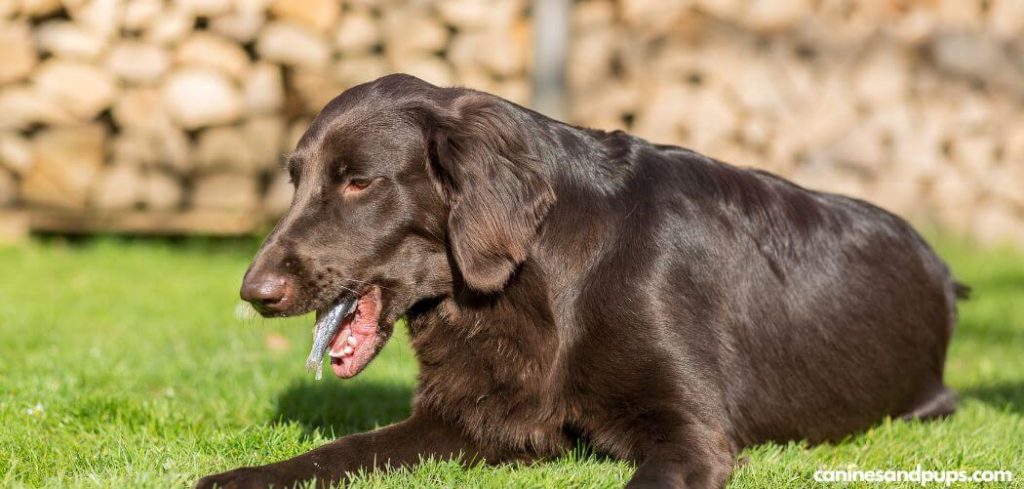
A dog choking after eating grass may be experiencing throat irritation, grass stuck in the mouth or throat, gagging caused by vomiting, reverse sneezing, or irritation of the airways.
In some cases, the dog is not truly choking but is instead coughing or gagging because the grass has irritated sensitive tissues.
Dog Choking After Eating Grass: Symptoms
Common symptoms may include:
Choking sounds
Gagging
Coughing
Retching
Excessive swallowing
Drooling
Pawing at the mouth
Vomiting
Dog Choking After Eating Grass: Common Causes
Grass Irritating the Throat
One of the most common reasons dogs appear to choke after eating grass is simple throat irritation.
Grass blades can be surprisingly rough and may scratch or irritate the back of the mouth and throat as they are swallowed.
This irritation often triggers coughing, gagging, or repeated swallowing that can look very similar to choking.
Many dogs recover within a few minutes once the irritation settles. However, some continue coughing intermittently for several hours if the throat remains inflamed.
The symptoms often begin immediately after grass consumption, making the connection relatively easy to identify.
Grass Stuck in the Mouth or Throat
Sometimes a blade of grass becomes temporarily lodged in the mouth, throat, or back of the nasal passages.
Long grass can wrap around structures inside the mouth or become partially stuck as the dog swallows.
The body responds by trying to remove the foreign material through coughing, gagging, swallowing, or pawing at the face.
Dogs with grass stuck in the throat often appear uncomfortable and may repeatedly try to clear their throat. Some continue eating and drinking normally, while others become reluctant to swallow.
If the grass remains lodged, veterinary assistance may be required to remove it safely.
Vomiting Triggered by Grass Eating
Many dogs eat grass when they are experiencing mild stomach upset. After eating grass, some dogs vomit shortly afterward.
The retching associated with vomiting can resemble choking, especially when owners witness only the episode itself.
In these situations, the grass may have irritated the stomach and triggered the vomiting response. Some dogs bring up foam, mucus, bile, or partially digested grass.
If vomiting is occasional and the dog quickly returns to normal, the issue may be relatively minor. Frequent episodes, however, deserve further investigation.
Read more: Dog suddenly eating grass like crazy and vomiting (Why it happens)
Reverse Sneezing
Reverse sneezing can occasionally occur after grass irritates the throat or nasal passages.
During a reverse sneezing episode, dogs rapidly pull air inward through the nose while making loud snorting or choking-like sounds. Owners often believe the dog is choking because the episode can appear dramatic.
Grass particles, pollen, and other environmental irritants can sometimes trigger these episodes.
Fortunately, reverse sneezing is usually harmless and often resolves within a minute or two.
However, frequent episodes should be discussed with a veterinarian.
Airway Irritation
Grass can expose dogs to pollen, dust, mold spores, and other environmental irritants.
These substances may trigger coughing or throat irritation shortly after grass consumption.
Some dogs are particularly sensitive and develop repeated coughing, gagging, or throat-clearing behavior.
Dogs with allergies may also show additional symptoms such as itchy skin, watery eyes, ear problems, or paw licking.
Because airway irritation can recur repeatedly, identifying environmental triggers may help reduce future episodes.
Foreign Body Obstruction
Although uncommon, true choking can occur if a large piece of grass or another object becomes lodged in the airway.
A dog experiencing a genuine airway obstruction may struggle to breathe, panic, paw at the mouth, or show signs of severe distress. This situation is very different from mild gagging or coughing.
True airway obstruction is a medical emergency requiring immediate veterinary care.
Fortunately, most dogs that appear to be choking after eating grass are actually experiencing irritation rather than a complete blockage.
Underlying Digestive Problems
Some dogs repeatedly eat grass because of ongoing digestive discomfort.
Conditions such as gastritis, acid reflux, food intolerance, or chronic stomach irritation may encourage grass-eating behavior.
The subsequent gagging or choking-like episodes occur because the digestive system is already irritated.
Additional symptoms may be noticed, such as vomiting, lip licking, eating grass frequently, appetite changes, or stomach noises.
Addressing the underlying digestive issue often reduces the grass-eating behavior itself.
Related: Dog eating grass and not eating (Here’s why)
Dog Choking After Eating Grass: What to Do
Remain calm and observe your dog carefully. If your dog is coughing and gagging but can still breathe normally, monitor the situation closely and look for signs that the irritation is improving.
Check the mouth if your dog allows it and look for visible grass caught around the teeth, tongue, or roof of the mouth.
Monitor for vomiting, continued coughing, appetite changes, or signs that your dog is struggling to swallow.
Do not attempt to blindly pull objects from the throat, as this can cause injury.
When to Call or Visit the Vet
Contact your veterinarian if the choking-like episodes continue after the grass-eating incident.
Schedule an appointment if you notice:
Repeated gagging
Persistent coughing
Excessive drooling
Difficulty swallowing
Frequent grass eating
Vomiting
Seek immediate veterinary attention if your dog develops:
Difficulty breathing
Blue or pale gums
Collapse
Severe distress
Suspected airway blockage
Inability to swallow
Dog Choking After Eating Grass: Treatment
The veterinarian may examine your dog’s mouth, throat, and airways to look for lodged grass or other foreign material.
Depending on the symptoms, diagnostic testing may include throat examination, imaging, bloodwork, or evaluation for digestive disease.
Treatment depends on the underlying cause and may include removal of foreign material, medications to reduce inflammation, treatment of digestive disorders, or management of respiratory irritation.
Recovery and Monitoring
Most dogs recover quickly when the problem is caused by temporary throat irritation. Symptoms often improve within hours once the grass passes or the irritation resolves.
Continue monitoring your dog for coughing, gagging, vomiting, appetite changes, or breathing difficulties. Dogs that repeatedly eat grass and develop symptoms may benefit from further evaluation to identify an underlying digestive issue.
Key Takeaway
A dog that appears to choke after eating grass is often experiencing throat irritation, gagging, or coughing rather than true choking.
Grass stuck in the throat, vomiting, reverse sneezing, and airway irritation are among the most common causes.
While many cases resolve on their own, persistent symptoms or signs of breathing difficulty should be treated as a veterinary concern. Early evaluation can help determine whether the problem is a simple irritation or something more serious.


