
If your dog’s tail is suddenly tucked between its legs but it is still eating, playing, walking, and behaving normally, you may wonder whether something is wrong.
A tucked tail is often associated with fear, anxiety, or uncertainty, but it can also occur when a dog is experiencing discomfort around the tail, back, or rear end.
You may notice that your dog holds its tail lower than usual, keeps it pressed against its belly, or stops wagging as freely as before.
Sometimes this is a temporary response to something in the environment, while in other cases it may be an early sign of pain or an underlying medical problem.
Table of Contents
Dog's Tail Tucked but Acting Normal: Here's Why
A dog may keep its tail tucked while behaving normally because it feels slightly anxious, frightened, or uncertain, or because something is causing discomfort around the tail or hindquarters.
Dogs often lower or tuck their tails as a communication signal when they feel uncomfortable in a particular situation.
However, anal gland problems, tail injuries, back pain, and conditions such as limber tail can also change how a dog carries its tail.
Some dogs continue eating, playing, and interacting normally even when experiencing mild discomfort.
The context is important. A dog that briefly tucks its tail when meeting an unfamiliar person may simply be expressing uncertainty.
A dog that suddenly keeps its tail tucked at home, where it normally holds it comfortably, may be responding to pain, irritation, or another change in its health.
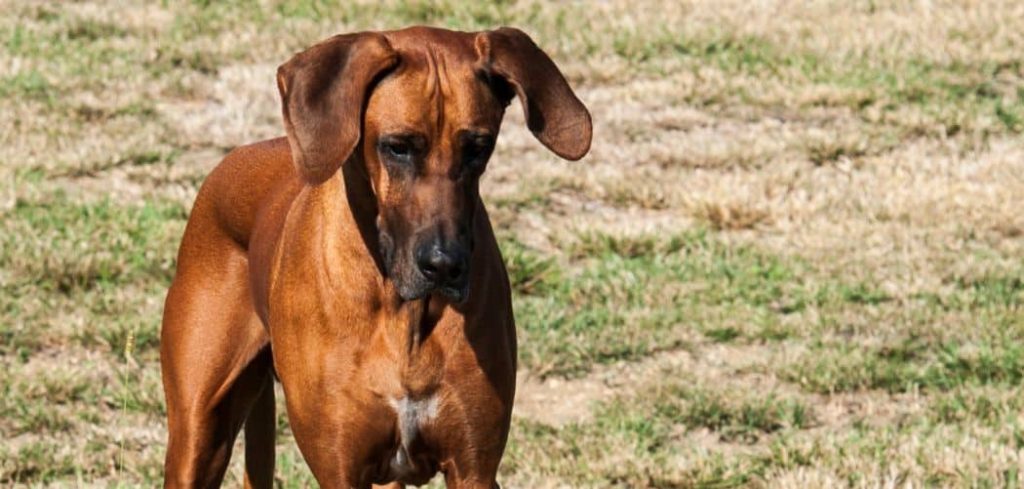
Dog’s Tail Tucked but Acting Normal: Causes
1. Mild Fear or Anxiety
Fear and anxiety are among the most common reasons dogs tuck their tails. A dog may feel uncomfortable or uncertain about something in its surroundings without showing other obvious signs of distress.
Possible triggers include unfamiliar visitors, loud noises, new environments, other dogs, changes in routine, or an unpleasant experience.
You may notice your dog keeping its tail close to its belly while continuing to walk, eat, or play.
Other subtle signs may include ears held back, frequent lip licking, yawning, looking away, or moving away from something.
If the tail returns to its normal position once the situation changes, a temporary emotional response may be responsible.
Read more: Dog excessively licking base of tail (what it means)
2. Irritation from the Environment
Sometimes a dog tucks its tail because it is reacting to something specific that its owner may not immediately notice.
This could include unfamiliar smells, construction noises, nearby animals, changes in the household, or a particular person or location that makes the dog uneasy.
A dog may otherwise behave normally, but its tail position changes when it encounters the trigger.
Watch for patterns. If the tail becomes tucked in certain rooms, outdoors, around particular people, or during specific activities, an environmental trigger may be involved.
Read more: Dog not holding tail up when walking (Here’s why and when to worry)
3. Anal Gland Problems
Anal glands are two small sacs located on either side of a dog’s anus. They produce a strong-smelling fluid that is normally released during bowel movements.
When these glands become full, impacted, or infected, they can cause pressure and discomfort around the rear end. Some dogs respond by lowering or tucking their tails.
Scooting, licking underneath the tail, a fishy smell, or discomfort when sitting may be noticed.
Some dogs continue eating and playing normally despite anal gland discomfort. If your dog has a persistently tucked tail alongside these signs, a veterinary examination is recommended.
4. Tail Injury or Pain
A dog may tuck its tail to protect it when the tail has been injured or becomes painful.
Possible causes include accidental knocks, getting the tail caught in a door, rough play, bites, or injuries during exercise.
Reduced tail wagging, sensitivity when the tail is touched, swelling, or reluctance to sit comfortably may be noticed.
Some dogs show very few other symptoms when an injury is mild. However, a sudden change in tail position should not be dismissed, particularly if your dog normally carries its tail higher.
5. Limber Tail Syndrome
Limber tail, also called acute caudal myopathy, is a condition involving strain and inflammation of the muscles at the base of the tail.
It can develop after prolonged swimming, strenuous exercise, exposure to cold or wet conditions, or spending extended periods confined in a crate or transport vehicle.
The tail may hang down rather than being held in its normal position. Some dogs have difficulty wagging it, and the base may feel stiff or painful.
A dog may initially appear otherwise healthy, although pain or discomfort can develop. Limber tail is more commonly reported in active working and sporting dogs, including Labradors and Pointers.
6. Back or Lower Spine Pain
Pain involving the lower back or the area where the spine connects to the tail can make a dog reluctant to hold its tail normally.
Possible causes include muscle strain, spinal problems, arthritis, or injury affecting the lower back.
A dog may continue walking and eating but keep its tail tucked because raising or moving it causes discomfort.
Other signs may include stiffness after resting, reluctance to jump, difficulty climbing stairs, or sensitivity when the lower back is touched.
If your dog develops a sudden tucked tail alongside back discomfort, arrange a veterinary examination.
7. Hip or Hind-Leg Discomfort
Problems affecting the hips, pelvis, or hind legs can sometimes change how a dog carries its tail.
A dog experiencing discomfort in these areas may adjust its posture to avoid certain movements. Keeping the tail low or tucked may occur alongside a stiff gait or reluctance to sit.
You may also notice difficulty getting up, reduced interest in jumping, or changes in how your dog walks.
Even if your dog is still active, a new and persistent change in posture deserves attention.
8. Irritation Around the Rear End
Skin irritation around the anus, tail base, or surrounding fur can make a dog hold its tail differently.
Possible triggers include flea bites, allergies, skin infections, matted fur, and irritation from dried stool.
Your dog may also lick or chew underneath its tail, scratch its rear end, or scoot across the floor.
If the skin looks red, swollen, sore, or has an unusual smell, your veterinarian should examine the area.
9. A Temporary Response to Stressful Experiences
A dog may tuck its tail after an unpleasant experience, even when the situation has already passed.
For example, a recent visit to the veterinarian, grooming appointment, loud noise, or encounter with another animal may leave the dog feeling unsettled.
Some dogs recover quickly, while others need time and a calm environment before returning to their usual body language.
If the behavior persists or begins happening without an identifiable trigger, consider whether an underlying medical problem could be contributing.
Read more: Old dog tail tucked between legs (What it means)
Dog Has Tail Tucked but Is Eating and Playing Normally
When a dog has a tucked tail but continues eating, playing, and interacting normally, a mild emotional response may be responsible.
Dogs sometimes lower their tails when they feel uncertain about something in their surroundings, even when they do not appear particularly distressed.
However, mild pain can also be present without obvious changes in appetite or activity. Anal gland discomfort, a minor tail injury, or early limber tail may cause changes in tail position before other symptoms become noticeable.
Pay attention to whether the tail returns to its normal position when your dog relaxes. If it remains tucked throughout the day or the change is unusual for your dog, arrange a veterinary examination.
Dog Suddenly Has Tail Tucked Between Legs
A sudden change in tail position can indicate that something has frightened your dog or that it is experiencing discomfort.
Think about what happened shortly before you noticed the change. Your dog may have heard a loud noise, encountered an unfamiliar animal, experienced an uncomfortable interaction, or injured its tail during play.
If there is no obvious environmental trigger, physical causes such as anal gland problems, tail injury, and back pain should also be considered.
Check whether your dog is wagging its tail normally, sitting comfortably, and moving without stiffness. If the tail remains tucked or your dog appears uncomfortable, contact your veterinarian.
Dog Has Tail Tucked but No Other Symptoms
A dog may have a tucked tail as its only noticeable change. This can happen when it feels slightly uncertain or when an early physical problem has not yet caused obvious symptoms.
Some dogs also naturally carry their tails lower than others, so it is important to compare the current position with your dog’s usual posture.
If the tail has always been held this way, it may simply be normal for that dog. However, if the change is new, persistent, or unusual, it should not automatically be attributed to personality or temperament.
Dog’s Tail Tucked but Acting Normal: What to Do
1. Look for Possible Stress Triggers
Consider whether anything has recently changed in your dog’s environment. New visitors, loud noises, unfamiliar animals, grooming, or changes in routine may cause temporary uncertainty.
Give your dog space and allow it to approach people or situations voluntarily. Avoid forcing interactions if it appears uncomfortable.
2. Observe How Your Dog Moves Its Tail
Notice whether your dog can wag its tail normally or whether it keeps it lowered throughout the day.
Look for stiffness, reduced movement, or reluctance to raise the tail. These changes may suggest physical discomfort rather than an emotional response.
3. Check the Area Around the Tail and Rear End
Look gently for swelling, redness, wounds, discharge, or signs of irritation around the tail base and anus.
Also notice whether your dog is scooting, licking its bottom, or frequently turning around to investigate its rear end.
Avoid pulling, lifting, or repeatedly moving the tail to test for pain.
4. Think About Recent Exercise or Activities
Consider whether your dog has recently been swimming, playing vigorously, exercising more than usual, or spending extended periods in a crate or vehicle.
These activities may be relevant when investigating limber tail or a possible muscle strain.
5. Allow Your Dog to Rest
If your dog has recently been very active, allow it to rest and avoid strenuous exercise until the cause of the tail change is clearer.
Do not give human pain medication or attempt to treat a suspected injury without veterinary advice.
6. Monitor for Additional Symptoms
Watch for changes in appetite, bowel movements, urination, walking, sitting, and general behavior.
If the tail remains tucked, becomes painful, or your dog develops other symptoms, arrange a veterinary examination.
When to Call or Visit Your Vet
When your dog’s tail suddenly becomes tucked and remains that way despite normal behavior, arrange a veterinary examination, particularly if the change is unusual for your dog.
Seek immediate veterinary attention if you notice:
Pain when the tail or lower back is touched.
Inability or reluctance to wag the tail.
Swelling, wounds, or bleeding around the tail.
Scooting, excessive licking, or a strong fishy smell.
Difficulty sitting, standing, or walking.
Stiffness or weakness in the hind legs.
Changes in urination or difficulty passing stool.
Seek emergency veterinary care if your dog develops sudden hind-leg paralysis, loss of bladder or bowel control, severe pain, or an inability to walk.
Dog’s Tail Tucked but Acting Normal: Treatment
Treatment depends on whether the tucked tail is caused by fear, anal gland problems, an injury, or another medical condition.
Veterinary assessment includes examination of the tail, lower back, hips, and anal glands and assessment of a dog’s movement and neurological function.
X-rays may be recommended if a fracture, spinal problem, or other structural injury is suspected.
If limber tail is diagnosed, treatment generally involves rest and veterinarian-prescribed anti-inflammatory medication.
Impacted or infected anal glands require appropriate professional treatment, while injuries and spinal conditions need care based on their severity.
If anxiety is responsible, identifying triggers and using appropriate behavior-management techniques may help.
Key Takeaway
A dog with its tail tucked but otherwise acting normally may be experiencing mild fear, anxiety, or uncertainty. However, physical discomfort from anal gland problems, tail injuries, back pain, or a limber tail can also cause a dog to hold its tail lower than usual.
The most important clue is whether the tail position is normal for your dog. If it suddenly changes and stays tucked, do not assume it is simply a behavioral response.
Observe your dog’s movements, look for other signs of discomfort, and arrange a veterinary examination if the change persists or appears alongside other symptoms.


