
It can be alarming to notice stomach swelling in your dog after a vaccination appointment.
While mild swelling near the injection site is relatively common and often harmless, noticeable swelling around the abdomen or stomach area can have several possible causes.
Some are mild vaccine-related reactions, while others may require immediate veterinary attention.
Table of Contents
Stomach Swelling on Dog After Vaccine: Why It Happens
Stomach swelling on a dog after a vaccine may occur because of a mild vaccine reaction, allergic response, fluid retention, digestive upset, stress-related bloating, or an unrelated medical condition that happens to appear around the same time as vaccination.
Most dogs tolerate vaccines well, but some experience temporary side effects that cause swelling or discomfort.
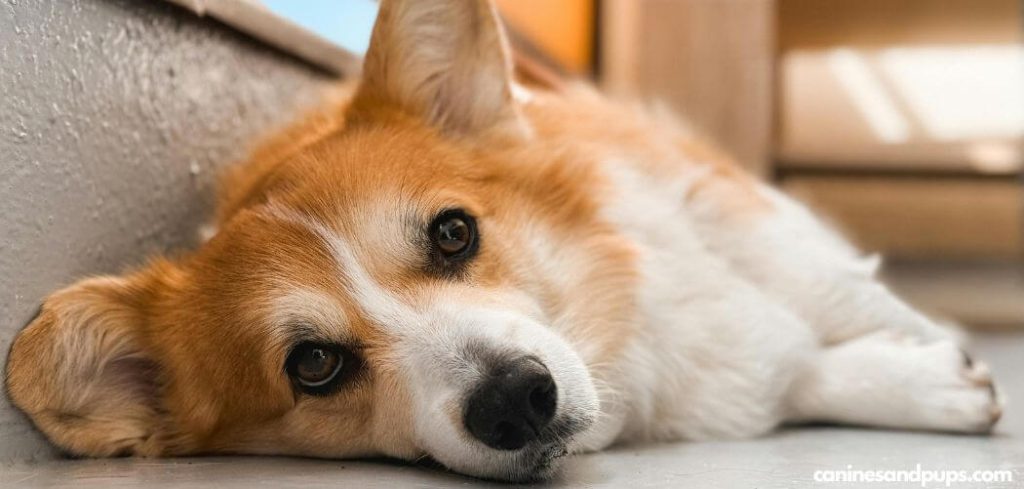
Stomach Swelling on Dog After Vaccine: Symptoms
Common symptoms may include:
Swollen abdomen or stomach area
Mild lethargy
Reduced appetite
Tenderness when touched
Restlessness
Vomiting
Diarrhea
Panting
Read more: Dog side effects after vaccine (Possible reactions)
Stomach Swelling on Dog After Vaccine: Common Causes
Mild Vaccine Reaction
One of the most common causes of swelling after vaccination is a normal immune response.
Vaccines are designed to stimulate the immune system. As the body responds, some dogs develop mild inflammation and temporary side effects.
Most reactions occur near the injection site, but some dogs may appear slightly swollen or puffy in other areas as well.
Mild vaccine reactions typically develop within the first 24 to 48 hours after vaccination. Dogs may seem slightly tired, less interested in food, or mildly uncomfortable.
In most cases, symptoms improve on their own within a couple of days. However, any significant abdominal swelling should be monitored carefully because it is less common than localized swelling.
Related: Dog lump after vaccine (Causes and when to worry)
Allergic Reaction
An allergic reaction is a more serious possibility following vaccination.
Some dogs react to ingredients within a vaccine and develop swelling in various parts of the body. Swelling may affect the face, muzzle, eyelids, or in some cases create generalized puffiness that owners interpret as stomach swelling.
Allergic reactions often occur within minutes to several hours after vaccination. Additional signs may include itching, hives, facial swelling, vomiting, diarrhea, or difficulty breathing.
While mild allergic reactions can sometimes resolve with treatment, severe reactions require immediate veterinary attention.
Digestive Upset Following Vaccination
Some dogs experience temporary digestive disturbances after vaccines. Stress from the veterinary visit, immune system activation, or mild gastrointestinal sensitivity can contribute to gas buildup, bloating, or abdominal discomfort.
The abdomen may appear slightly enlarged because of increased gas within the digestive tract.
Dogs may also have reduced appetite, soft stool, mild diarrhea, or occasional vomiting.
Most mild digestive reactions improve within a day or two, but worsening abdominal enlargement should never be ignored.
Read more: Dog diarrhea after vaccine (Why it happens)
Stress-Related Bloating
Veterinary visits can be stressful for some dogs. Anxious dogs may pant heavily, swallow excess air, or experience temporary digestive changes after a stressful event.
This can lead to mild abdominal distention that makes the stomach appear swollen.
Some dogs also become restless, pace, or have temporary appetite changes following a stressful experience.
Although mild bloating can occur, severe abdominal enlargement is not considered normal and should be evaluated promptly.
Fluid Accumulation or Generalized Inflammation
In rare cases, a more significant inflammatory response may develop after vaccination.
Some dogs experience widespread swelling involving multiple areas of the body. Fluid retention or inflammation can create a swollen appearance, including around the abdomen.
These reactions are uncommon but may require veterinary assessment, especially if the swelling continues increasing or is accompanied by other symptoms.
You should also watch for lethargy, weakness, breathing changes, or signs that your dog is becoming progressively uncomfortable.
Unrelated Medical Conditions
Sometimes the timing is coincidental. A dog may develop abdominal swelling shortly after vaccination for reasons completely unrelated to the vaccine itself.
Conditions such as gastrointestinal disease, intestinal blockage, fluid accumulation, internal bleeding, heart disease, or abdominal masses can all cause stomach enlargement.
Because owners naturally connect the swelling to the recent vaccine, an unrelated medical problem may initially be overlooked.
If the swelling is significant, painful, or worsening, veterinary evaluation is important regardless of whether the vaccine is responsible.
Gastric Dilatation (Bloat)
Although uncommon, serious abdominal swelling should always raise concern for bloat.
Bloat occurs when the stomach fills with gas and becomes enlarged. Dogs with bloat often develop a rapidly expanding abdomen, restlessness, unsuccessful attempts to vomit, drooling, panting, and signs of distress.
This condition is a medical emergency and requires immediate veterinary treatment.
The timing after vaccination may be purely coincidental, but any rapidly developing abdominal swelling should be taken seriously.
Stomach Swelling on Dog After Vaccine: What to Do
Monitor your dog closely during the first 24 to 48 hours after vaccination.
Pay attention to whether the swelling is staying the same, improving, or getting worse. Observe appetite, energy levels, breathing, bathroom habits, and overall comfort.
Allow your dog to rest in a quiet environment and ensure fresh water is always available.
If possible, take photos of the swelling to help track changes and show your veterinarian if needed.
When to Call or Visit the Vet
Contact your veterinarian if the swelling develops after vaccination and does not improve within a day or two.
Schedule an appointment if you notice:
Persistent abdominal swelling
Vomiting
Diarrhea
Reduced appetite
Increased lethargy
Signs of discomfort
Seek immediate veterinary attention if your dog develops:
Rapidly enlarging abdomen
Difficulty breathing
Collapse
Pale gums
Repeated attempts to vomit
Severe weakness
Stomach Swelling on Dog After Vaccine: Treatment
Your veterinarian may perform a physical examination and evaluate whether the swelling is related to the vaccine or another condition. Depending on the findings, bloodwork, abdominal imaging, ultrasound, or additional testing may be recommended.
Treatment depends on the underlying cause and may include monitoring, medications for allergic reactions, supportive care, fluid management, or emergency treatment if a serious abdominal condition is present.
Recovery and Monitoring
Most mild vaccine reactions improve within a few days without long-term complications. Continue monitoring your dog’s appetite, energy level, and abdominal size during recovery.
If symptoms worsen or new symptoms develop, contact your veterinarian promptly. Dogs that experience significant vaccine reactions may require special vaccination plans in the future.
Key Takeaway
Mild swelling and temporary discomfort can occur after vaccination, but noticeable stomach swelling should not automatically be assumed to be a normal vaccine reaction. Allergic responses, digestive upset, bloating, and unrelated medical conditions are all possible causes.
Monitor your dog closely and seek veterinary advice if the swelling persists, worsens, or is accompanied by other symptoms. Prompt evaluation is especially important if the abdomen becomes rapidly enlarged or your dog appears distressed.


