
Watching a senior dog grow older can bring difficult questions, especially when health problems begin affecting daily life.
Many dog owners struggle with determining whether their dog is still comfortable and enjoying life or whether ongoing discomfort is beginning to outweigh the good days.
This guide explains a practical senior dog quality of life checklist, common signs to watch for, and factors that may help you and your veterinarian assess your dog’s comfort and well-being.
Table of Contents
Senior Dog Quality of Life Checklist: Why It Matters
A quality of life checklist helps evaluate your senior dog’s physical comfort, emotional well-being, and ability to enjoy daily activities.
Aging itself is not a disease, and many older dogs continue living happy, fulfilling lives. However, chronic pain, mobility issues, breathing problems, cognitive changes, and illness can gradually affect quality of life.
Because changes often happen slowly, owners sometimes adapt to them over time and may not realize how much their dog’s daily experience has changed.
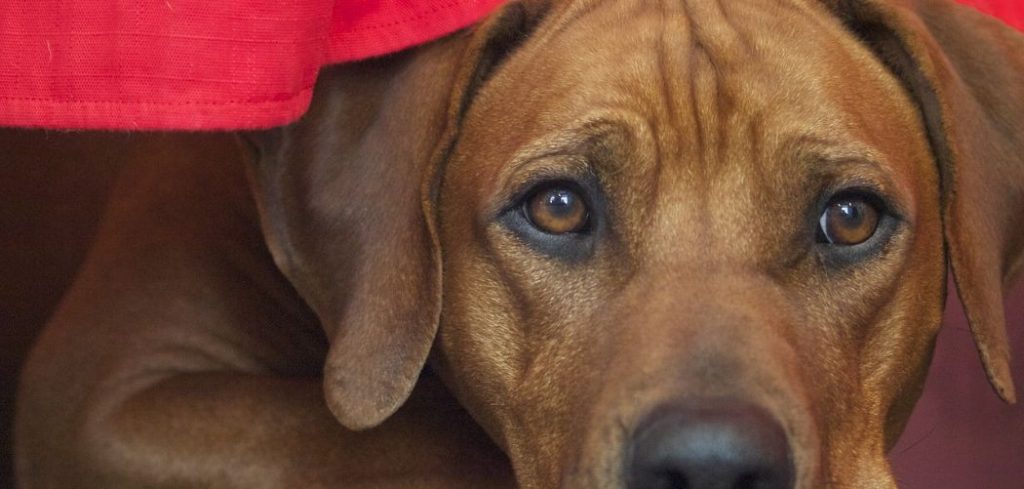
Symptoms That May Suggest Declining Comfort
Common signs that may suggest a senior dog’s quality of life is changing include:
Reduced appetite
Difficulty standing or walking
Heavy panting
Increased sleeping
Loss of interest in favorite activities
Confusion or disorientation
Frequent accidents indoors
Withdrawal from family interaction
Read more: Old Dog Behavior Before Death (Signs to watch out for)
Senior Dog Quality of Life Checklist
Eating and Drinking
Healthy dogs generally maintain an interest in food and water.
Ask yourself:
Is my dog eating willingly?
Has appetite changed significantly?
Is my dog drinking normally?
Has weight loss become noticeable?
Occasional appetite changes can happen, but persistent loss of interest in food or water deserves attention.
Movement
Movement often changes with age, but severe difficulty moving can affect overall comfort and independence.
Ask yourself:
Can my dog stand up without major struggle?
Does my dog walk comfortably?
Can my dog reach food, water, and resting areas?
Has climbing stairs or getting outside become difficult?
Some dogs continue enjoying life despite slower movement, particularly when pain management helps improve comfort.
Pain and Physical Comfort
Dogs naturally hide pain, which sometimes makes discomfort difficult to recognize.
Ask yourself:
Does my dog pant excessively without activity?
Is my dog shaking or trembling?
Does my dog cry out unexpectedly?
Does my dog struggle to get comfortable?
Subtle signs such as pacing, restlessness, slower movement, or avoiding touch may also suggest discomfort.
Bathroom Habits
Changes in urination and bowel habits can affect quality of life significantly.
Ask yourself:
Can my dog get outside normally?
Are accidents becoming frequent?
Does my dog strain during urination or bowel movements?
Has bathroom behavior changed suddenly?
Repeated accidents may occur because of mobility issues, cognitive changes, or medical conditions.
Enjoyment and Happiness
Quality of life involves emotional well-being in addition to physical health.
Ask yourself:
Does my dog still enjoy favorite activities?
Does my dog respond to family members?
Does my dog show excitement around meals, toys, or walks?
Are there still happy moments throughout the day?
Even dogs with health problems can continue having good quality of life if they still engage with activities they enjoy.
Good Days Versus Bad Days
Many veterinarians encourage owners to track good days and difficult days.
Ask yourself:
Are good days still more common than bad days?
Is my dog having enjoyable moments regularly?
Have difficult days started becoming more frequent?
Keeping a written calendar sometimes helps because gradual changes can otherwise be difficult to recognize.
Cognitive and Mental Changes
Older dogs sometimes develop changes involving awareness and behavior.
Ask yourself:
Does my dog seem confused?
Is my dog getting lost in familiar places?
Has sleep behavior changed?
Is my dog interacting differently than before?
Mental well-being can affect quality of life just as much as physical comfort.
Read more: Old Dog Syndrome (Causes and Treatment)
What to Do If You Are Concerned About Quality of Life
If you are noticing changes, begin writing down symptoms and patterns. Tracking appetite, mobility, behavior, bathroom habits, and comfort levels over time can help identify trends.
Discuss concerns openly with your veterinarian. Many conditions affecting older dogs can sometimes be improved through pain management, environmental adjustments, dietary changes, or treatment.
Simple modifications such as orthopedic beds, ramps, non-slip rugs, and medication adjustments may improve comfort significantly.
When to Call or Visit Your Vet
Schedule a veterinary visit if you notice:
Ongoing pain signs
Major appetite changes
Frequent falls
Increasing weakness
Severe mobility problems
Progressive confusion
Seek immediate veterinary attention if your dog develops:
Difficulty breathing
Collapse
Severe pain
Repeated vomiting
Inability to stand
Extreme distress
Key Takeaway
Quality of life is not determined by age alone. Many senior dogs continue enjoying life despite chronic health conditions when discomfort is controlled and daily needs are supported.
The most helpful question is often not “How old is my dog?” but rather “Is my dog still able to enjoy being a dog?” Tracking changes over time can help you make informed, compassionate decisions together with your veterinarian.


