
It can be puzzling when a senior dog starts pushing food around with their nose instead of eating it.
Some dogs may move food out of the bowl, push it across the floor, or repeatedly nudge individual pieces without actually consuming them.
Occasionally, this is simply a behavioral preference. However, a new change in how an older dog interacts with food can also be associated with dental discomfort, nausea, difficulty chewing or swallowing, reduced appetite, or changes in vision or cognition.
Table of Contents
Senior Dog Pushing Food With Nose: Why It Happens
A senior dog may push food with their nose because of normal food-related behavior, difficulty seeing or eating the food, dental discomfort, nausea, or age-related changes in behavior.
The meaning can depend on whether your dog eventually eats the food and whether there are other changes in appetite or behavior.
If a dog has suddenly started pushing food around and is eating less than usual, it is worth paying closer attention to possible medical causes.
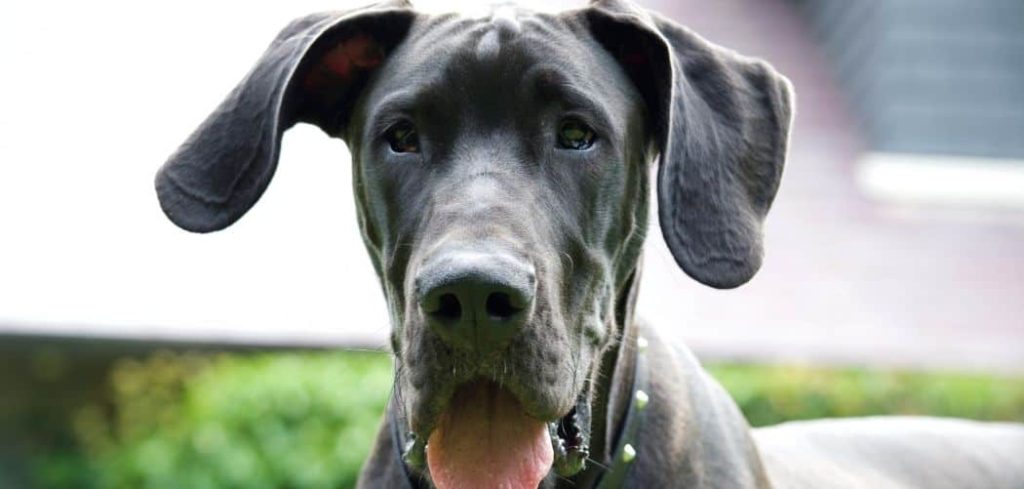
Senior Dog Pushing Food With Nose: Common Causes
Normal Food-Related Behavior
Some dogs naturally push or move their food before eating it. They may nudge individual pieces, move food away from the bowl, or rearrange it.
This can be a harmless preference, particularly if your dog otherwise eats normally, maintains their usual energy level, and shows no signs of discomfort.
A behavior that has existed for a long time is generally less concerning than a sudden change in an older dog.
Related: Old dog not eating (Causes and when to worry)
Dental Pain
Dental disease is common in older dogs and can make eating uncomfortable. A dog may approach the food but hesitate, push it around, or eventually eat less because chewing hurts.
Bad breath, drooling, pawing at the mouth, chewing on one side, dropping food, or reluctance to eat hard food may be noticed.
A veterinary oral examination can help determine whether dental pain is affecting your dog’s eating behavior.
Difficulty Seeing the Food
Changes in vision can affect how an older dog interacts with food. A dog with reduced vision may have difficulty locating individual pieces or may use their nose to explore and reposition food.
You may also notice that your dog bumps into objects, hesitates on stairs, or behaves differently in unfamiliar areas.
Sudden vision changes require veterinary attention because some causes can develop quickly.
Nausea or Reduced Appetite
A dog that feels nauseated may show interest in food but be unable or unwilling to eat it. They may sniff or push food around before walking away.
Lip licking, drooling, repeated swallowing, vomiting, or changes in bowel movements may accompany nausea.
If your senior dog repeatedly approaches food but refuses to eat, an underlying gastrointestinal or other medical problem should be considered.
Difficulty Chewing or Swallowing
Older dogs may develop problems that make chewing or swallowing difficult. Dental disease, oral masses, throat problems, or neurological disorders can interfere with normal eating.
Your dog may push food around, drop pieces, chew differently, cough while eating, or take much longer to finish meals.
These changes should be discussed with a veterinarian.
Cognitive Changes
Some senior dogs develop age-related cognitive changes that affect familiar behaviors. Changes may include confusion, altered sleep patterns, restlessness, staring, getting stuck in unusual places, or changes in interactions with people.
A dog with cognitive changes may behave differently around food or appear unsure about what to do with a familiar meal.
However, cognitive decline should not be assumed without first considering medical causes that can produce similar behavior.
Changes in Food or Feeding Environment
A change in food texture, bowl type, feeding location, or household routine can affect how a dog interacts with meals.
Some dogs dislike a new food or find a particular bowl uncomfortable or difficult to use.
If the behavior started immediately after a change in feeding routine, this may provide a useful clue. Persistent appetite changes, however, still warrant attention in an older dog.
Pain or General Illness
Pain elsewhere in the body can reduce a dog’s interest in eating. Arthritis, abdominal discomfort, infection, or another illness may cause an older dog to interact with food but not eat normally.
Other signs may include reduced activity, stiffness, hiding, panting, vomiting, diarrhea, or changes in behavior.
A sudden change in eating behavior accompanied by other symptoms should be evaluated by a veterinarian.
Related: Old dog not eating and sleeping a lot (What it means)
When to Call or Visit the Vet
Occasionally pushing food around is not necessarily a problem, especially if your dog continues eating normally. Contact your veterinarian if you notice:
Suddenly pushing food around and eating less.
Refusing food or repeatedly walking away from meals.
Dropping food or difficulty chewing or swallowing.
Drooling, bad breath, or signs of mouth pain.
Vomiting, diarrhea, weight loss, or weakness.
New confusion or significant behavior changes.
Difficulty seeing or navigating familiar surroundings.
Severe weakness, collapse, difficulty breathing, or rapidly worsening symptoms.
Senior Dog Pushing Food With Nose: Treatment
Veterinary treatment for a senior dog pushing food with their nose starts with a thorough examination, including an assessment of the mouth, teeth, swallowing ability, neurological function, and overall health.
The veterinarian may recommend blood tests or other laboratory testing when appropriate, while dental X-rays, diagnostic imaging, or additional examinations may be needed if dental disease, gastrointestinal problems, neurological disease, or another condition is suspected.
Treatment depends on the underlying cause and may include dental care, prescription medication, dietary changes, treatment for nausea or pain, or other targeted therapy.
Key Takeaway
A senior dog pushing food with their nose may simply be displaying a normal food-related behavior, but a new change in eating behavior can also indicate dental pain, nausea, difficulty seeing, chewing or swallowing problems, cognitive changes, or another illness.
The most important distinction is whether your dog is still eating normally and behaving normally otherwise.
A dog that occasionally moves food around but eats normally is generally less concerning than a dog that repeatedly pushes food away and begins losing interest in meals.
If your senior dog suddenly changes how they interact with food, particularly if they are eating less or showing other symptoms, contact your veterinarian for guidance.


