
It can be concerning when an older dog starts drinking much more water than usual and panting frequently.
Panting can be normal after exercise or in warm weather, but excessive thirst and persistent panting in an older dog can sometimes indicate an underlying medical condition.
Table of Contents
Older Dog Drinking a Lot of Water and Panting: Here's Why
An older dog may drink a lot of water and pant because of heat, exercise, pain, medication effects, dehydration, or an underlying condition such as kidney disease, diabetes, Cushing’s disease, or heart disease.
The combination is more concerning when the changes are new, occur while a dog is resting, or are accompanied by increased urination, weakness, reduced appetite, weight changes, or other unusual symptoms.
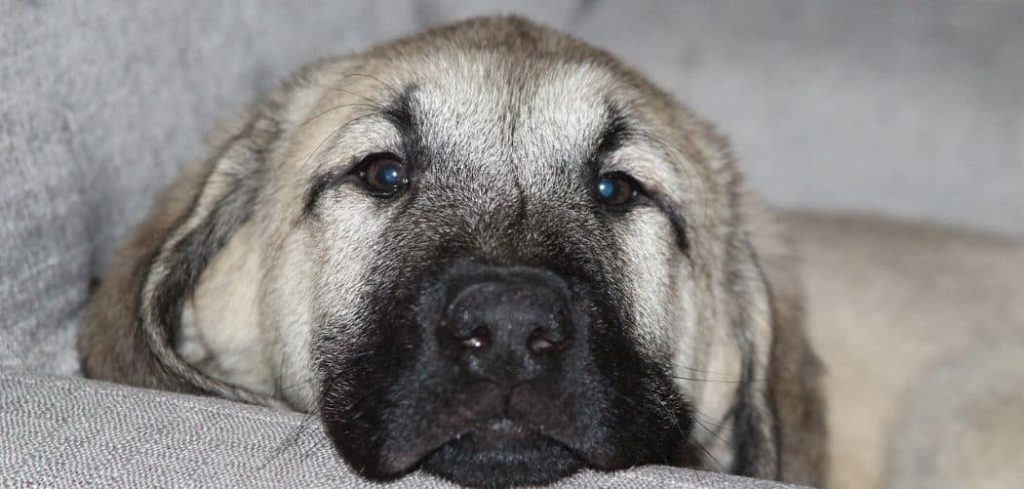
Older Dog Drinking a Lot of Water and Panting: Common Causes
Cushing’s Disease
Cushing’s disease is relatively common in older dogs and occurs when the body produces excessive cortisol.
Increased thirst and urination and excessive panting are common signs. Other symptoms can include increased appetite, a pot-bellied appearance, muscle weakness, thinning skin, and changes in the coat.
If these signs develop gradually, your veterinarian may recommend blood tests and specific hormonal testing.
Related: Old dog not eating and drinking a lot of water (Here’s why)
Kidney Disease
Kidney disease can cause an older dog to drink and urinate more because the kidneys become less able to concentrate urine.
As the disease progresses, dogs may develop poor appetite, vomiting, weight loss, dehydration, weakness, or lethargy.
Blood and urine tests are important for assessing kidney function.
Diabetes
Diabetes can cause excessive thirst and urination. Some dogs also develop increased appetite while losing weight.
More advanced or poorly controlled diabetes can cause dehydration, weakness, vomiting, and marked lethargy.
An older dog with a new increase in thirst should be evaluated for diabetes and other metabolic conditions.
Heart Disease
Heart disease is more common with age and can cause panting, particularly when a dog is resting.
Other signs can include coughing, reduced exercise tolerance, faster breathing, weakness, or fainting.
Increased thirst is not specific to heart disease, so a veterinarian may need to investigate multiple possible causes when both symptoms occur.
Related: Dog Drinking a Lot of Water and Panting (Is it normal?)
Pain
Pain can cause an older dog to pant even when the weather is comfortable and the dog has not exercised.
Arthritis, dental disease, abdominal discomfort, injuries, and other painful conditions may lead to persistent panting.
A painful dog may also become restless, reluctant to move, sleep differently, or withdraw from normal activities.
Medication Side Effects
Some medications can increase thirst, urination, or panting. Corticosteroids are a common example.
If your dog’s increased drinking and panting started after beginning a medication or changing its dose, tell your veterinarian.
Do not stop or alter a prescribed medication without veterinary guidance.
Heat or Exercise
Panting and increased drinking are normal ways for dogs to cool themselves and replace fluids after exercise or exposure to warm weather.
However, an older dog may be less tolerant of heat than a younger dog.
Panting that remains excessive after your dog has rested in a cool environment, particularly when accompanied by weakness or other symptoms, requires veterinary attention.
Dehydration
An older dog may drink more water after losing fluids through vomiting, diarrhea, excessive panting, fever, or illness.
Dehydration itself can cause weakness and make a dog appear unwell.
If your dog continues drinking excessively, the reason for the increased thirst should be investigated rather than assuming the dog simply needs more water.
Liver Disease
Liver disease can affect thirst, appetite, energy, and general behavior.
Some dogs develop vomiting, diarrhea, weight loss, abdominal enlargement, or yellowing of the gums or eyes.
Blood tests and abdominal imaging may be recommended if liver disease is suspected.
Urinary or Metabolic Problems
Other disorders affecting the urinary tract, blood glucose, electrolytes, or metabolism can change drinking and urination patterns.
Because excessive thirst has many possible causes, diagnostic testing is often necessary to determine why an older dog is drinking more.
Related: Dog drinking a lot of water and panting and lethargic (Here’s why)
When to Call or Visit the Vet
An older dog that is consistently drinking much more water than usual and panting should be evaluated by a veterinarian, particularly if the changes are new or occur while resting. Seek urgent veterinary care if you notice:
Difficulty breathing or very rapid breathing at rest
Severe or continuous panting without an obvious cause
Repeated vomiting or diarrhea
Severe weakness, inability to stand, or collapse
Fainting or significant confusion
A swollen or painful abdomen
Pale, gray, or bluish gums
Signs of severe overheating
Rapidly worsening symptoms
Older Dog Drinking a Lot of Water and Panting: Treatment
Veterinary treatment starts with a physical examination and assessment of hydration, temperature, heart and respiratory function, and overall health.
Blood and urine tests may be recommended to evaluate kidney and liver function, blood glucose, electrolytes, infection, and other possible causes.
Depending on the findings, the veterinarian may also recommend chest or abdominal X-rays, ultrasound, hormonal testing, or cardiac testing.
Treatment depends on the underlying diagnosis and may include medication, fluid therapy, dietary management, pain control, or other targeted treatment.
Key Takeaway
An older dog drinking a lot of water and panting may be experiencing normal thirst after activity or heat exposure, but persistent symptoms can also occur with Cushing’s disease, kidney disease, diabetes, heart disease, pain, medication effects, or other medical conditions.
A new increase in thirst is particularly important in a senior dog because several underlying diseases can cause excessive drinking and urination.
Arrange a veterinary examination if your older dog is consistently drinking more than usual or panting while resting. Seek emergency veterinary care if your dog develops difficulty breathing, severe weakness, collapse, severe overheating, or rapidly worsening symptoms.


