
When your dog is drinking a lot of water and panting heavily, it might seem like they’re just cooling down—but in many cases, these symptoms point to something more serious.
Excessive thirst combined with abnormal panting may signal underlying illness, heat-related stress, or internal imbalance.
We outline the common causes of dog drinking a lot of water and panting, what you can do at home, and when to seek veterinary help.
Table of Contents
Dog Drinking a Lot of Water and Panting: Why It Happens
Panting and drinking excessively can be caused by heat exhaustion, pain, anxiety, Cushing’s disease, diabetes, or organ dysfunction.
While panting is a natural way for dogs to regulate body temperature, pairing it with excessive thirst often suggests a medical or environmental cause that needs attention.
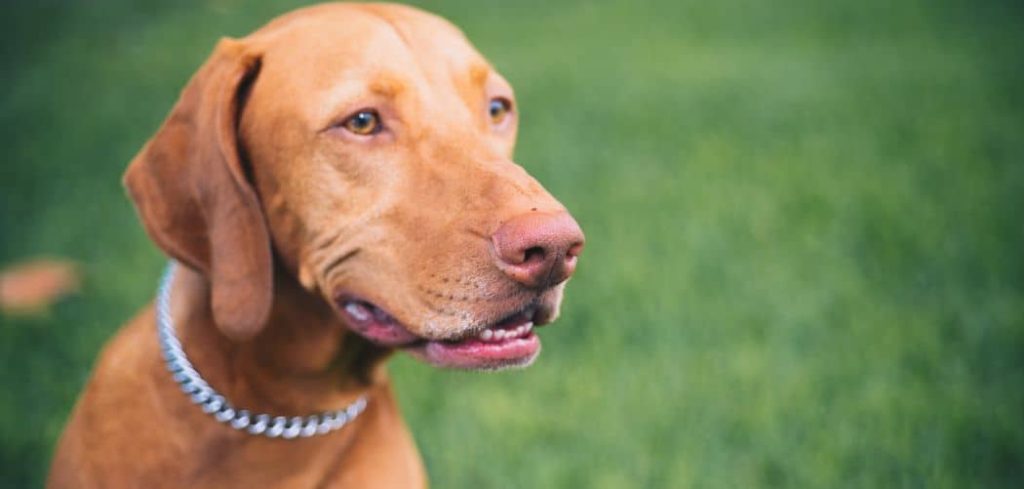
Dog Drinking Lots of Water Suddenly and Panting
A dog that suddenly starts drinking a lot of water and panting may be experiencing heat stress, pain, anxiety, fever, or an underlying medical condition such as kidney disease or diabetes.
Sudden changes in thirst combined with panting suggest the body is under stress and trying to regulate temperature or internal imbalance.
If this behavior appears out of nowhere and continues, it should be checked by a veterinarian, especially if the dog also shows changes in appetite or energy levels.
Dog Drinking a Lot of Water and Panting: Common Causes
Heat Exhaustion or Overheating
Dogs pant to cool down, and high temperatures can cause them to drink more water to stay hydrated.
However, prolonged panting and thirst in warm environments may indicate heat exhaustion.
Look for drooling, bright red gums, vomiting, or collapse. Heatstroke is an emergency that needs immediate cooling and vet care.
Anxiety or Stress
Panting and drinking more water can also stem from nervousness, fear, or separation anxiety.
This is often seen during storms, travel, or changes in routine.
Other signs may include pacing, whining, or hiding. Behavioral training, calming aids, or vet-prescribed medication can help.
Read more: Dog Drinking a Lot of Water and Not Eating (What it means)
Pain or Discomfort
Dogs may pant when in pain, and some will drink more water when feeling unwell.
Causes of discomfort range from arthritis to internal conditions like pancreatitis or bloat.
Monitor for limping, restlessness, or changes in appetite.
Cushing’s Disease
Cushing’s causes excess cortisol production, which leads to both increased thirst and heavy panting.
Additional symptoms may include hair loss, a pot-bellied abdomen, and muscle weakness.
Bloodwork and hormone testing are needed for diagnosis, and treatment may involve daily medication.
Diabetes Mellitus
Dogs with diabetes often show signs of increased thirst and panting, especially if their blood sugar is out of balance.
You may also see increased urination, appetite, or lethargy.
Prompt diagnosis and insulin treatment are essential to prevent complications.
Heart or Lung Disease
Conditions like congestive heart failure or respiratory disorders can cause labored breathing and excessive panting.
Dogs may drink more due to poor oxygenation or medication side effects.
These cases typically require diagnostic imaging and long-term medical management.
Dog Drinking a Lot of Water, Panting, and Lethargic
When excessive drinking and panting occur alongside lethargy, it is more concerning because it often indicates systemic illness.
Possible causes include infection, kidney or liver disease, diabetes, toxin exposure, or hormonal disorders.
Lethargy shows the dog is not just thirsty but also physically unwell.
This combination should be treated as urgent if it persists, especially if the dog is weak, refusing food, or vomiting.
Dog Drinking a Lot of Water, Panting and Shaking
Excessive thirst, panting, and shaking together often suggest pain, fever, toxin ingestion, low blood sugar, or metabolic imbalance.
Shaking can also be a stress response when the body is overwhelmed. These symptoms may come on suddenly and fluctuate in intensity.
Because this combination can indicate serious illness, immediate veterinary evaluation is recommended.
Read more: Dog drinking a lot of water and panting and shaking (Here’s why)
Dog Drinking a Lot of Water, Peeing a Lot, and Panting
Increased drinking and urination with panting is commonly associated with conditions such as diabetes, kidney disease, Cushing’s disease, or urinary tract problems.
Panting may occur due to discomfort, stress, or hormonal imbalance affecting the body’s regulatory systems.
This pattern should not be ignored, especially if it develops gradually or worsens over time, as it often indicates chronic disease.
Related: Dog excessively drinking water and peeing (Here’s why)
Dog Drinking a Lot of Water and Panting at Night
Nighttime drinking and panting may occur due to discomfort, anxiety, heart disease, or hormonal imbalances.
Some dogs also experience worsening symptoms at night because lying down can make breathing or internal pressure changes more noticeable.
If this behavior happens repeatedly at night, it is important to investigate underlying medical causes rather than attributing it to normal aging.
Older Dog Drinking a Lot of Water and Panting
In older dogs, increased thirst and panting are often linked to age-related diseases such as kidney failure, heart disease, diabetes, or Cushing’s disease.
Senior dogs are more vulnerable to fluid balance and respiratory issues, making these symptoms more significant.
Because these signs often indicate chronic illness, early veterinary testing can help manage the condition and improve quality of life.
Do Dogs Drink a Lot at the End of Life?
Some dogs may drink more or less near the end of life, depending on the underlying illness.
Increased drinking can occur with kidney failure or metabolic disease, while some dogs may stop drinking due to weakness, nausea, or organ shutdown.
Changes in thirst alone are not a reliable indicator of the end of life.
End-of-life stages are usually identified by a combination of signs such as severe weakness, loss of appetite, difficulty breathing, confusion, and inability to stand, rather than changes in drinking behavior alone.
Read more: Old dog behavior before death (What to expect)
Dog Drinking a Lot of Water and Panting: What to Do
- Move your dog to a cool, quiet area and offer water in small, frequent amounts.
- Avoid exercise or stimulation until panting slows and your dog appears calm.
- Monitor for other symptoms such as vomiting, coughing, or collapse.
- If the panting persists for more than 15–20 minutes without a clear cause, consult a veterinarian. Take note of any environmental triggers or patterns that may help your vet assess the issue.
When to Call or Visit Your Vet
Contact your vet if your dog:
Pants heavily without recent activity or heat exposure
Drinks more water than usual with no change in diet or weather
Shows signs of pain, anxiety, or behavioral changes
Has symptoms like vomiting, weakness, coughing, or pale gums
Has a known condition like diabetes or heart disease and symptoms worsen
Your vet may perform blood tests, X-rays, or hormone panels to diagnose the issue.
Read more: Dog Drinking a Lot of Water and Vomiting (Here’s why)
Key Takeaway
When your dog is drinking a lot of water and panting, it’s often more than just thirst—it could indicate illness, pain, or overheating.
Observe closely, limit stress or heat exposure, and seek veterinary care if symptoms persist or worsen. Early attention keeps your dog safe and comfortable.


