
It can be especially worrying when an old dog starts salivating excessively and refuses food.
In a senior dog, a sudden change in appetite can have many possible explanations, from a painful mouth or mild nausea to an illness affecting the digestive system or another part of the body.
Older dogs may also have more than one health problem at the same time, so changes that seem minor can sometimes be important.
Table of Contents
Old Dog Salivating and Not Eating: Why It Happens
An old dog may salivate and stop eating because of dental disease, mouth pain, nausea, gastrointestinal discomfort, medication effects, difficulty swallowing, or an underlying illness.
Excess saliva can occur when a dog is nauseated or has irritation in the mouth, while refusing food can indicate pain or feeling generally unwell.
In senior dogs, persistent appetite loss deserves particular attention because older dogs may have underlying conditions that are not immediately obvious.
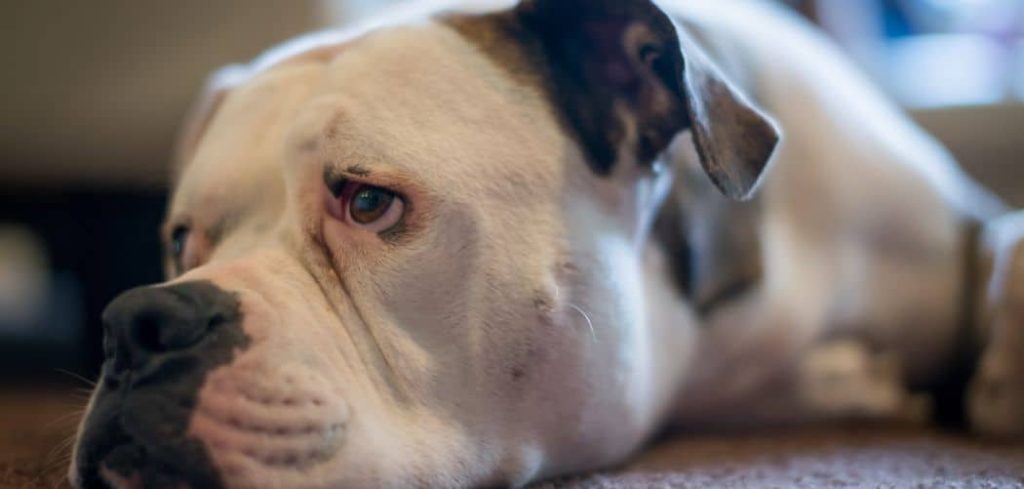
Old Dog Salivating and Not Eating: Symptoms
Depending on the underlying problem, other symptoms may occur at the same time, including:
Excessive drooling
Refusing food or eating much less than usual
Lip licking or repeated swallowing
Bad breath
Pawing at the mouth
Difficulty chewing
Reduced energy
Vomiting or gagging
Old Dog Salivating and Not Eating: Common Causes
Gastrointestinal Disease
Conditions affecting the stomach or intestines can cause drooling, reduced appetite, vomiting, diarrhea, abdominal discomfort, and lethargy.
The severity can vary considerably. Some digestive problems are temporary, while others may require prompt treatment.
If your old dog continues refusing food or develops vomiting, abdominal pain, weakness, or significant changes in bowel movements, veterinary evaluation is important.
Dental Disease and Mouth Pain
Dental disease is an important possibility when an old dog is drooling and refusing food. Periodontal disease, painful teeth, inflamed gums, oral infections, or other mouth problems can make chewing uncomfortable.
A dog may approach their food but walk away, chew on one side, drop food from the mouth, or prefer softer foods.
Bad breath, red gums, facial sensitivity, or pawing at the mouth may also occur.
Dental problems can become increasingly painful over time, so an older dog with persistent drooling and appetite loss should have their mouth examined by a veterinarian.
Read more: Old dog drooling (Causes and when to worry)
Nausea
Nausea can cause excessive salivation and loss of appetite. Some dogs will continue drinking while refusing food because they feel uncomfortable or associate eating with nausea.
Lip licking, repeated swallowing, restlessness, vomiting, or changes in bowel movements may accompany the drooling.
A temporary stomach upset may resolve, but persistent nausea in an older dog should be investigated rather than assumed to be a minor digestive problem.
Difficulty Swallowing
Problems affecting the mouth, throat, or esophagus can make swallowing uncomfortable or difficult. When saliva cannot be swallowed normally, it may accumulate and spill from the mouth.
Gagging, repeated swallowing, coughing while eating or drinking, stretching of the neck, or food falling from the mouth may be noticed.
Difficulty swallowing can become serious because it can interfere with adequate nutrition and may increase the risk of material entering the respiratory tract. A veterinarian should evaluate these signs.
Read more: Dog Salivating and Not Eating (Causes and what to do)
Oral Mass or Growth
Older dogs can develop masses or growths in the mouth. Depending on their location, these may interfere with chewing or swallowing and can lead to drooling, bad breath, bleeding, facial swelling, or refusal to eat.
Not every oral growth is cancerous, but an unexplained mass should be examined by a veterinarian.
A detailed oral examination may be needed to determine what the growth is and whether further testing is appropriate.
Medication Effects
Some medications can cause nausea, changes in appetite, increased salivation, or other digestive effects.
Senior dogs may also be taking several medications, making it important to consider treatment changes when new symptoms appear.
If the drooling and appetite loss began after starting a medication or changing a dose, contact your veterinarian.
Do not stop or alter prescribed medication without veterinary guidance.
Kidney or Liver Disease
Kidney and liver problems can cause nonspecific symptoms such as reduced appetite, nausea, drooling, vomiting, and lethargy. These conditions become more relevant when an older dog develops a persistent change in eating habits.
Other signs may include changes in thirst or urination, weight loss, vomiting, weakness, or changes in behavior.
Blood tests and other diagnostic testing can help determine whether an organ-related condition is contributing to the symptoms.
Other Underlying Illness
Many other medical conditions can cause an old dog to stop eating and become more comfortable producing saliva. Infections, metabolic disorders, pain elsewhere in the body, and other systemic diseases may produce overlapping symptoms.
Because senior dogs can have multiple health concerns, the cause cannot always be determined from drooling and appetite loss alone.
A veterinary examination is particularly important when the change is sudden, persistent, or accompanied by lethargy, vomiting, weakness, or other abnormalities.
When to Call or Visit the Vet
A senior dog that is drooling and refusing food should be monitored closely, especially if the behavior is new.
Contact your veterinarian immediately if you notice:
Persistent or heavy drooling
Continued refusal to eat
Significant lethargy or weakness
Difficulty chewing or swallowing
Vomiting or significant diarrhea
Mouth swelling, bleeding, or obvious pain
Changes in drinking or urination
Difficulty breathing, collapse, or rapidly worsening symptoms
Old Dog Salivating and Not Eating: Treatment
Veterinary treatment for an old dog that is salivating and not eating starts with a thorough examination of the mouth, teeth, throat, abdomen, and overall health.
The veterinarian may recommend blood tests, dental X-rays, abdominal X-rays or ultrasound, or other diagnostic testing when appropriate to identify problems that are not visible externally, while additional testing may be needed when dental disease, an oral mass, gastrointestinal disease, or organ dysfunction is suspected.
Treatment may include dental treatment, prescription pain relief or anti-nausea medication, fluids, nutritional support, treatment for infection or another underlying illness, or other targeted therapy based on the diagnosis.
Key Takeaway
An old dog salivating and not eating may have dental disease, mouth pain, nausea, gastrointestinal disease, difficulty swallowing, an oral growth, medication effects, kidney or liver disease, or another underlying illness.
While a temporary appetite change can happen, persistent refusal to eat in a senior dog should not simply be attributed to old age.
Excessive drooling provides another important clue that your dog may be experiencing discomfort or illness.
If your old dog continues salivating and refuses food, arrange a veterinary examination.
Early evaluation can help identify the underlying cause and ensure your senior dog receives appropriate treatment and relief.


