
Finding black poop in your old dog’s stool while they are refusing food can be very concerning.
Black stool may have a distinctly dark, tar-like appearance, while a reduced appetite can indicate that the dog is not feeling well.
When these symptoms occur together in a senior dog, they warrant careful attention because older dogs may become unwell more quickly than younger dogs.
Understanding what black stool and loss of appetite can indicate, what other symptoms to watch for, and when veterinary care is necessary can help owners respond appropriately.
Table of Contents
Old Dog Pooping Black and Not Eating: Why It Happens
A dog may have black stool and stop eating when bleeding or irritation affects the upper digestive tract, although certain foods, medications, and supplements can also darken poop.
When blood is digested as it passes through the gastrointestinal tract, the stool can become very dark, sticky, or tar-like, a type of stool known as melena.
An older dog that suddenly stops eating along with passing black stool should be evaluated promptly because gastrointestinal bleeding can have several causes.
Other digestive problems, systemic illnesses, and certain medications may also produce similar signs.
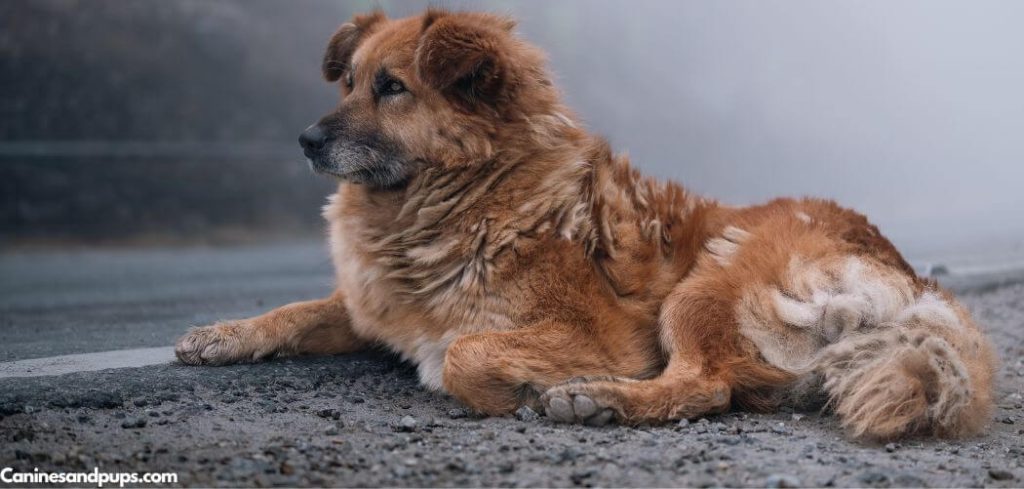
Old Dog Pooping Black and Not Eating: Symptoms
Depending on the underlying problem, other symptoms may occur at the same time, including:
Black, dark, or tar-like poop
Reduced appetite or refusing food
Vomiting or nausea
Weakness or unusual tiredness
Pale or white-looking gums
Abdominal discomfort
Diarrhea or abnormal stool consistency
Increased sleeping or reluctance to move
Old Dog Pooping Black and Not Eating: Common Causes
Gastrointestinal Bleeding
One of the most important causes of genuinely black, tarry stool is bleeding somewhere in the upper gastrointestinal tract. Blood can be digested as it moves through the stomach and intestines, changing the stool to a dark, sticky appearance.
An affected dog may also lose interest in food, vomit, become tired, or appear uncomfortable.
In more significant cases, weakness and pale gums can develop because of blood loss.
Black, tar-like stool in an older dog should therefore be taken seriously, particularly when accompanied by appetite loss.
Related: Dog Pooping Black and Not Eating (What it means)
Stomach Ulcers
Stomach or intestinal ulcers can cause bleeding and may result in black stool. They can develop for several reasons, including certain medications, underlying illnesses, or other gastrointestinal problems.
A dog with an ulcer may stop eating because of nausea or abdominal discomfort. Vomiting, weakness, or changes in stool may also occur.
If you suspect your dog has a gastrointestinal ulcer, veterinary assessment is important because treatment needs to address both the bleeding and its underlying cause.
Medication-Related Gastrointestinal Problems
Certain medications can irritate the gastrointestinal tract or increase the risk of gastrointestinal bleeding in susceptible dogs. Some anti-inflammatory medications are particularly important to discuss with your veterinarian if your dog develops digestive symptoms while taking them.
Your veterinarian needs to know about every prescription medication, supplement, and recently administered treatment your dog receives.
Never give your dog human pain medication unless your veterinarian specifically instructs you to do so. Some human medications can be dangerous for dogs and may contribute to serious gastrointestinal problems.
Read more: Dog Black Diarrhea (Causes and treatment)
Dietary Causes and Dark Foods
Not every dark stool is caused by bleeding. Certain foods or dietary ingredients can make poop appear darker.
However, food-related discoloration generally needs to be distinguished from true melena, which tends to be very dark, sticky, and tar-like.
If your dog is also refusing food, it is safer to have unusual black stool assessed rather than assuming a dietary explanation.
Tell your veterinarian what your dog has eaten recently, including treats, table food, chews, and supplements.
Foreign Material or Gastrointestinal Irritation
Swallowing something inappropriate can irritate or injure the digestive tract. Depending on the object and where it travels, vomiting, appetite loss, diarrhea, abdominal pain, or abnormal stool can occur.
A foreign object can sometimes cause an obstruction, which may become serious if not treated.
If your dog may have swallowed a toy, bone, piece of clothing, or another object, contact your veterinarian immediately, especially if vomiting or abdominal discomfort is present.
Kidney or Liver Disease
Older dogs are more likely to develop diseases affecting internal organs, and some systemic illnesses can cause digestive symptoms or contribute to gastrointestinal bleeding.
Kidney disease, liver disease, and other chronic conditions may be associated with reduced appetite, vomiting, weakness, or changes in stool.
These conditions cannot be diagnosed from black poop alone. Blood tests and other diagnostic tests may be necessary to determine whether an underlying illness is contributing to the symptoms.
Gastrointestinal Inflammation or Infection
Inflammation or infection of the digestive tract can cause appetite loss, vomiting, diarrhea, and changes in stool.
Depending on where the inflammation occurs and whether bleeding is present, the stool may become very dark.
Some dogs have relatively mild digestive upset, while others become noticeably weak or dehydrated.
An older dog that is not eating and has persistently abnormal stool should be assessed rather than being treated as though it has an ordinary stomach upset.
Tumors or Other Serious Gastrointestinal Disease
Some cancers and other gastrointestinal diseases can cause chronic digestive symptoms, appetite loss, weight loss, vomiting, or gastrointestinal bleeding.
These conditions are not the most likely explanation for every case of black stool, but they become important considerations when symptoms persist, recur, or are accompanied by weight loss or progressive weakness.
A veterinarian may recommend imaging, blood tests, or other diagnostic procedures when the initial examination suggests a more serious underlying problem.
Read more: Dog pooping black but acting normal (Here’s why)
Old Dog Pooping Black and Not Eating: What to Do
If your old dog is passing genuinely black or tar-like stool and refusing food, contact your veterinarian promptly. Do not wait several days simply to see whether the stool returns to normal.
Keep fresh water available, but do not force your dog to eat or drink if they are nauseated or repeatedly vomiting.
If your dog cannot keep water down, veterinary attention becomes more urgent.
Take a photograph of the stool if possible. You can also save a fresh stool sample if your veterinarian requests one, as this may help with diagnostic testing.
Make a note of when your dog last ate, how many abnormal bowel movements occurred, whether vomiting is present, and any medications or supplements your dog has received.
Do not give human painkillers, anti-diarrheal medications, antacids, or other medications unless your veterinarian specifically recommends them.
Medication choice can be particularly important when gastrointestinal bleeding is possible.
When to Call or Visit the Vet
Black stool combined with appetite loss in an older dog warrants prompt veterinary attention, particularly when the stool looks tar-like rather than simply dark brown.
Schedule an appointment if you notice:
Black or unusually dark stool that persists
Reduced appetite or refusing food
Recurring vomiting
Weight loss
Repeated diarrhea
Increased tiredness
Changes in normal bowel movements
Recurring episodes of abnormal stool
Seek emergency veterinary attention immediately if your dog develops:
Weakness, collapse, or difficulty standing
Pale, white, or gray-looking gums
Repeated vomiting
Vomiting blood or material that looks unusually dark
Large amounts of black, tar-like stool
Severe abdominal pain
A swollen or tense abdomen
Inability to keep water down
Extreme lethargy or distress
Old Dog Pooping Black and Not Eating: Treatment
Veterinary treatment for an old dog pooping black and not eating starts with a thorough examination, including assessment of the gums, hydration, abdomen, and overall condition, along with a review of the dog’s diet, medications, and medical history.
The veterinarian may recommend blood tests, fecal testing, X-rays, ultrasound, endoscopy, or other diagnostic testing when appropriate to identify gastrointestinal bleeding or an underlying illness.
Treatment may include fluid support, prescription medication to protect the gastrointestinal tract, treatment for nausea or pain, dietary management, blood products when necessary, or other targeted therapy based on the diagnosis.
Recovery and Monitoring
Recovery depends on why the stool became black and why your dog stopped eating.
A temporary dietary change may resolve once the digestive tract settles, while gastrointestinal bleeding, ulcers, organ disease, or another serious condition may require more extensive treatment.
During recovery, monitor your dog’s appetite, water intake, energy level, gum color, vomiting, and bowel movements.
Pay particular attention to whether the stool remains black and tar-like or gradually returns to its normal appearance.
Follow your veterinarian’s feeding and medication instructions carefully.
An older dog recovering from gastrointestinal illness may need a temporary change in diet or gradual reintroduction of food.
Follow-up care is especially important when gastrointestinal bleeding or an underlying chronic illness has been diagnosed.
Further examinations or testing may be recommended to make sure the original problem is resolving.
Key Takeaway
An old dog pooping black and not eating should not automatically be dismissed as a simple stomach upset.
Truly black, tar-like stool can indicate digested blood from the gastrointestinal tract, although certain foods, medications, and supplements can also darken poop.
Because an older dog that is refusing food may already be experiencing significant illness, prompt veterinary assessment is important.
Black stool accompanied by weakness, pale gums, repeated vomiting, severe abdominal pain, or collapse requires emergency veterinary attention.
If your dog’s stool is unusually black or tar-like and their appetite has suddenly decreased, contacting your veterinarian can help determine whether the color is harmless or a sign of a problem that needs treatment.


