
When you notice black diarrhea in your dog, it can be an alarming sight — and for good reason.
The color of your dog’s stool can tell you a lot about what’s happening inside their digestive system. Black diarrhea, in particular, often signals something more serious than a minor stomach upset.
Table of Contents
Black Dog Diarrhea: Why It Happens
Black diarrhea in dogs usually indicates the presence of digested blood in the stool, a condition known as melena. This often happens when there’s bleeding higher up in the digestive tract — such as the stomach or small intestines — and the blood turns dark or tar-like by the time it exits the body.
Other possible reasons include gastrointestinal ulcers, certain medications, infections, or toxins. Sometimes, even eating dark substances like charcoal, dirt, or raw meat can make stool appear black, but true melena typically has a distinct tar-like consistency and strong odor.
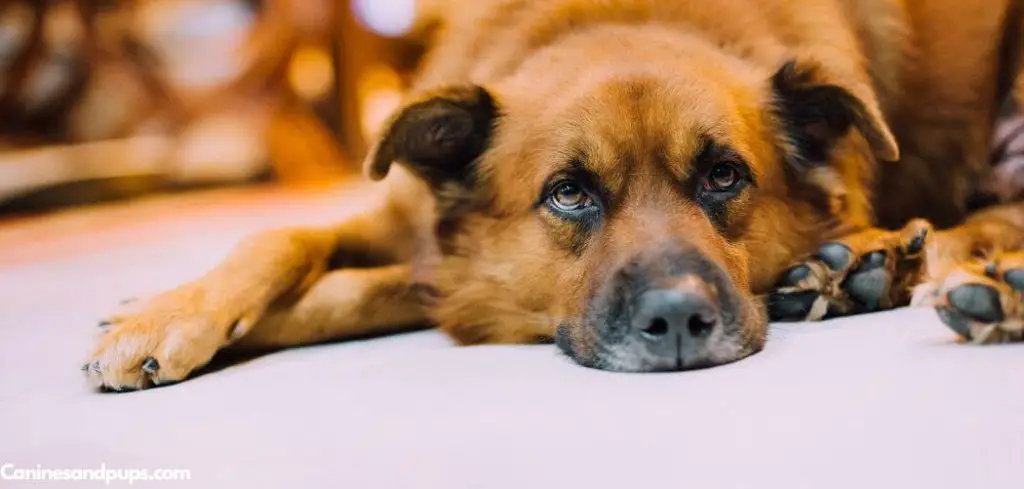
Black Dog Diarrhea but Acting Normal
Black diarrhea in a dog, even if the dog is acting normal, can be a sign of digested blood in the stool, which often appears dark or tar-like. This may come from irritation or bleeding in the upper gastrointestinal tract, such as the stomach or small intestine.
Possible causes include dietary indiscretion, parasites, mild gastrointestinal inflammation, or more serious issues like ulcers.
Even if the dog seems fine, black stool should be monitored closely because it can indicate internal bleeding that is not always immediately visible in behavior.
Black Dog Diarrhea: Common Causes
1. Gastrointestinal Ulcers
Ulcers in a dog’s stomach or upper intestines are one of the most common causes of black diarrhea.
These ulcers can form due to long-term use of medications like NSAIDs (such as Rimadyl or Meloxicam), stress, or underlying illnesses such as kidney or liver disease.
The ulcers bleed internally, and as the blood travels through the intestines, it darkens and mixes with stool, leading to black, tarry diarrhea.
You may also notice symptoms like vomiting (possibly with blood), lack of appetite, and abdominal pain. Dogs may lick their lips frequently or appear restless after eating because of discomfort.
Ulcers require prompt veterinary attention, as untreated bleeding can lead to anemia or more severe complications.
Read more: Dog Diarrhea with Mucus and Blood (When to worry)
2. Ingesting Blood or Dark Substances
Sometimes, the appearance of black stool isn’t due to internal bleeding at all — it’s a result of something your dog ate.
Dogs that chew on bones, lick wounds, or eat raw meat can ingest blood, which darkens as it passes through their digestive system. Similarly, eating charcoal, dirt, soil, or black-colored treats can alter stool color.
If your dog’s behavior and appetite seem normal and the black stool occurs just once, it might be related to diet.
However, if it continues or you notice any signs of lethargy, vomiting, or pale gums, it’s time to see the vet.
3. Gastrointestinal Tumors or Cancer
Sadly, cancers affecting the digestive tract — such as stomach or intestinal tumors — can also cause black diarrhea.
These tumors can bleed internally, producing dark, tar-like stools. Other signs might include unexplained weight loss, reduced appetite, fatigue, and a dull coat. In older dogs, this becomes a more likely concern, especially if symptoms develop gradually rather than suddenly.
Even benign (non-cancerous) growths can cause intermittent bleeding and should be evaluated by a veterinarian. Early diagnosis and treatment can make a significant difference in your dog’s quality of life.
4. Medication Side Effects
Certain medications can irritate the stomach lining and trigger bleeding, resulting in black stools.
The most common culprits are NSAIDs (non-steroidal anti-inflammatory drugs) prescribed for pain or inflammation. Steroids, anticoagulants, or chemotherapy drugs can also contribute to gastrointestinal irritation.
If your dog is taking medication and you suddenly notice black, tarry diarrhea, stop the medication immediately and contact your veterinarian. They may prescribe protective stomach medications such as omeprazole, sucralfate, or famotidine to prevent further damage.
5. Toxins or Poisoning
Ingestion of toxins — especially rodenticides (rat poison), certain human medications, or heavy metals — can cause internal bleeding that appears as black diarrhea.
Rat poison, in particular, interferes with blood clotting and can cause slow internal hemorrhaging. Other signs include weakness, pale gums, coughing up blood, or bloody urine.
If you suspect poisoning, seek emergency veterinary care immediately. Bring the packaging or name of the suspected toxin to help the vet provide targeted treatment.
6. Liver or Kidney Disease
Chronic diseases like liver or kidney failure can sometimes lead to internal bleeding in the gastrointestinal tract.
When the liver isn’t functioning properly, it can’t produce enough clotting factors to prevent bleeding, and toxins may build up in the blood. This can result in melena (black stools), vomiting, jaundice (yellow gums or eyes), and increased thirst or urination.
Dogs with kidney disease may also develop ulcers that cause black stool. Both conditions are serious and need prompt veterinary attention for diagnosis and long-term management.
Read more: Dog Diarrhea No Other Symptoms (What it means)
Dog Black Diarrhea Not Eating
When a dog has black diarrhea and is also not eating, it is a more serious combination of symptoms. Loss of appetite suggests the dog is feeling unwell, while black stool may indicate internal bleeding or significant gastrointestinal irritation.
Possible causes include stomach ulcers, toxin exposure, infections, or organ disease affecting digestion.
Not eating increases the risk of weakness and dehydration, making this situation more concerning and often requiring prompt veterinary attention.
Black Dog Diarrhea and Vomiting
Black diarrhea combined with vomiting usually points to a significant digestive system problem, possibly involving bleeding or severe irritation.
Conditions such as gastrointestinal ulcers, foreign body obstruction, poisoning, or severe infection can cause both symptoms.
Vomiting worsens fluid loss, and black stool suggests possible internal bleeding, making this combination potentially serious.
Even if symptoms start mildly, they can escalate quickly, so monitoring hydration, energy levels, and progression is important.
Black Dog Diarrhea with Blood
Black diarrhea with blood in a dog is a serious warning sign and often indicates bleeding somewhere in the gastrointestinal tract. The stool may appear dark and tar-like (digested blood) or contain visible red streaks (fresh blood).
Common causes include severe intestinal inflammation, parasites, infections, dietary toxins, or conditions like hemorrhagic gastroenteritis.
Even if your dog seems normal at first, this combination can worsen quickly and may lead to dehydration or weakness, so it should be taken seriously.
Dog Poop is Back but Solid
Black but solid stool can still indicate digested blood in the digestive system, especially from the stomach or upper intestines. However, it can also occur due to diet (such as eating certain foods, supplements, or liver-rich meals) or medications that darken stool.
If it is a one-time occurrence and the dog is otherwise healthy, it may not be urgent. But if the black color persists or is accompanied by changes in appetite, vomiting, or lethargy, it may suggest internal bleeding or gastrointestinal irritation.
What to Do If Your Dog Has Black Diarrhea
If your dog passes black, tarry diarrhea, stay calm but take the situation seriously. True black stool is almost always a red flag for internal bleeding.
First, monitor your dog closely. Check for other symptoms like vomiting, weakness, pale gums, or loss of appetite. These signs can help your vet determine how urgent the situation is.
Withhold food for 8–12 hours to give the digestive tract time to rest, but make sure your dog has access to fresh water to prevent dehydration. If the black stool persists or your dog’s condition worsens, contact your vet as soon as possible.
Never try to medicate your dog with human products, as this can make things worse — especially if stomach ulcers or poisoning are involved. Instead, collect a stool sample for your veterinarian to analyze.
If your vet confirms it’s melena (digested blood), they may recommend diagnostic tests such as bloodwork, X-rays, ultrasound, or endoscopy to find the exact cause. Treatment will depend on the underlying issue — from medications to control bleeding and ulcers, to IV fluids, dietary support, or even surgery in severe cases.
For mild cases related to dietary causes (like eating charcoal or dark treats), symptoms may resolve on their own once the offending substance passes through. Still, it’s best to check with your vet to rule out anything serious.
When to Call or Visit Your Vet
Contact your veterinarian immediately if you notice:
Black, tar-like, or coffee-ground-looking diarrhea that lasts more than one bowel movement.
Lethargy, pale gums, or weakness — signs of possible anemia or blood loss.
Vomiting (especially if it contains blood or looks like coffee grounds).
Loss of appetite, weight loss, or abdominal pain.
Exposure to toxins or medication use preceding the black stool.
Even if your dog seems fine otherwise, persistent black stool is never normal and always deserves professional evaluation.
Remember — dogs can deteriorate quickly if there’s internal bleeding. Early veterinary attention often prevents complications and speeds up recovery.
Read more: Dog Diarrhea Yellow Watery and Vomiting (Here’s Why it happens)
Black Dog Diarrhea Treatment
Treatment for black diarrhea depends on the underlying cause, which must be identified by a veterinarian.
Your veterinarian may perform stool tests, blood work, or imaging to check for infection, parasites, ulcers, or internal bleeding.
Treatment can include fluids to prevent dehydration, medications to protect the stomach lining, anti-diarrheal drugs, antibiotics or deworming if needed, and a bland, easily digestible diet during recovery.
In more severe cases, hospitalization may be required. Because black stool can indicate bleeding, prompt veterinary evaluation is important for proper treatment.
Key Takeaway
Black diarrhea in dogs can range from something harmless — like eating dark-colored food — to a serious sign of internal bleeding.
If your dog has black, tarry, or sticky-looking stool, don’t wait it out. Observe your dog’s behavior and contact your vet right away to rule out ulcers, toxins, or internal disease.
Early diagnosis and treatment can make a life-saving difference. With prompt care and supportive management, most dogs recover well and return to their normal, tail-wagging selves.