
When an old dog that used to eat regularly suddenly starts eating only once a day, it can leave owners feeling confused and worried.
Appetite changes are common in senior dogs, but they’re not always harmless and can signal underlying physical or emotional issues.
Table of Contents
Old Dog Only Eats Once a Day: Why It Happens
An old dog eating only once a day is usually linked to reduced appetite from aging, dental discomfort, digestive changes, chronic illness, or altered feeding habits.
When dogs get older, their metabolism slows, taste and smell decline, and medical conditions become more common.
These changes can make eating feel less appealing or even uncomfortable. While some dogs remain healthy on fewer meals, a sudden shift in eating patterns should always be checked.
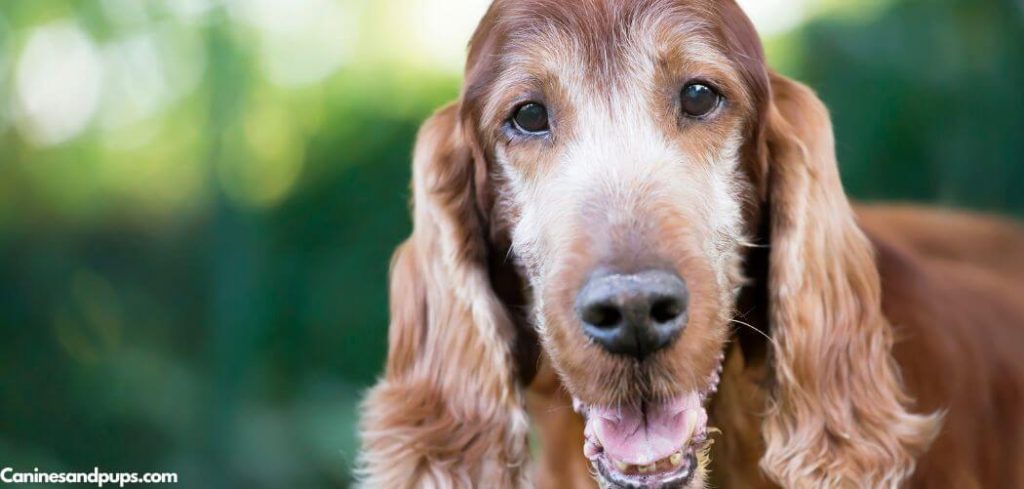
Is It Normal for Dogs to Eat Only Once a Day?
Some dogs can eat once a day and still remain healthy, especially if they are adults with stable weight, good energy levels, and no digestive issues. However, most dogs are naturally suited to two meals per day because it helps maintain stable blood sugar levels and supports better digestion.
Feeding once daily may work for some dogs, but it is not ideal for all breeds or life stages.
If a dog is otherwise healthy, eating once a day may simply reflect its routine or appetite preference.
But if there is a sudden change in feeding pattern, it should be monitored for underlying issues such as stress, illness, or dental problems.
Old Dog Only Eats Once a Day: Signs
When an old og eats once a day, signs include:
Reduced appetite or skipping meals
Eating only once daily instead of usual feeding pattern
Weight loss or gradual muscle loss
Low energy or decreased activity levels
Showing interest in food but not finishing it
Possible nausea signs like lip licking or turning away from food
Old Dog Only Eats Once a Day: Common Causes
Appetite Changes
Normal aging affects hunger cues and calorie needs. Older dogs burn fewer calories and may not feel hungry as often as they once did.
Their sense of smell and taste can also weaken, reducing interest in food.
Some senior dogs naturally transition to one main meal without immediate health consequences, especially if their weight remains stable.
Read more: Old Dog Eating but Losing Weight (What it may signal)
Dental Disease and Oral Pain
Dental issues are one of the most overlooked causes of reduced eating frequency in older dogs.
Painful teeth, gum disease, or oral infections can make chewing uncomfortable. Dogs may wait until they are very hungry before eating, limiting themselves to one meal a day.
Signs such as drooling, bad breath, chewing on one side, or dropping food often accompany dental pain.
Digestive Changes
Digestive changes can make eating feel unpleasant. Conditions such as gastritis, acid reflux, inflammatory bowel disease, or slowed digestion may cause nausea or discomfort after eating.
Some dogs learn to eat only once daily to avoid repeated discomfort. These dogs may seem interested in food but hesitate or walk away after small amounts.
Chronic Illness
Many chronic diseases suppress appetite in subtle ways. Kidney disease, liver disease, heart disease, diabetes, and cancer are common in senior dogs and often affect hunger levels.
In early stages, dogs may still eat but reduce frequency or portion size. Appetite changes may occur before more obvious symptoms appear.
Medication Side Effects
Medications commonly prescribed to older dogs can alter appetite. Pain medications, antibiotics, heart drugs, and anti-inflammatory medications may cause nausea, changes in taste, or stomach upset.
Some dogs compensate by eating less frequently but still maintaining calorie intake in a single meal.
Behavioral Changes
Mental aging affects eating routines. Dogs with cognitive dysfunction may forget meals, lose interest in food earlier in the day, or become disoriented around feeding schedules.
Anxiety, depression, or changes in household routine can also reduce appetite, especially during certain times of day.
Read more: Old Dog Eating Dirt (Why it happens)
My Dog Used To Eat Twice A Day Now Only Eats Once
A dog that previously ate twice a day but now only eats once may be experiencing changes in appetite due to aging, stress, dietary fatigue, dental discomfort, or mild illness.
Dogs can also reduce meal frequency if their activity level decreases or if they are becoming more selective with food.
In some cases, digestive issues or nausea can make them less interested in eating regular meals.
If this change is gradual and the dog remains active and maintains weight, it may not be serious. However, sudden or persistent changes in appetite should be evaluated, especially if accompanied by weight loss, vomiting, or lethargy.
Dog Only Eats Once A Day At Night
A dog that only eats once a day at night may have developed a feeding preference or routine where it feels most comfortable eating in the evening.
Some dogs naturally prefer nighttime feeding due to lower distractions or household activity. However, it can also be a sign of mild nausea in the morning, dental discomfort, or gastrointestinal sensitivity.
If the dog is maintaining a healthy weight and energy level, this pattern may be acceptable.
But if appetite decreases overall or the dog skips meals earlier in the day due to discomfort, veterinary evaluation may be needed.
Puppy Only Eats Once A Day
A puppy eating only once a day is generally not normal because puppies require more frequent meals to support rapid growth, energy needs, and stable blood sugar levels.
Most puppies should eat at least two to three times daily, depending on age. Eating only once may indicate illness, parasites, stress, poor diet suitability, or feeding schedule issues.
Because puppies are vulnerable to rapid energy loss and dehydration, a reduced feeding frequency should be addressed quickly. Veterinary advice is required if the appetite does not improve.
What to Do If Your Old Dog Only Eats Once a Day
Start by monitoring weight, energy level, and overall behavior. If your dog maintains weight and seems otherwise healthy, the change may be benign.
Offer smaller, more frequent meals to see if appetite improves. Warming food slightly or adding veterinarian-approved toppers can increase palatability.
Ensure food texture matches your dog’s comfort level, especially if dental issues are suspected. Soft or moistened food may be easier to eat.
Keep feeding times consistent and calm, minimizing distractions or stress during meals.
When to Call or Visit Your Vet
Contact your veterinarian if eating once a day is a sudden change or continues for more than a few days.
Seek veterinary care immediately if appetite changes are accompanied by weight loss, vomiting, diarrhea, increased thirst, lethargy, or behavioral changes.
Any senior dog that refuses food entirely for 24 hours or eats dramatically less than normal should be evaluated promptly.
Old Dog Only Eats Once a Day: Treatment
Treatment depends on identifying the reason behind the reduced appetite. If an underlying medical issue such as dental disease, digestive problems, or organ dysfunction is present, your vet will treat that condition directly.
In milder cases, vets may recommend dietary adjustments such as switching to more palatable or easily digestible food, warming meals, or feeding smaller portions more frequently. Appetite stimulants or medications for nausea may also be prescribed if needed.
Regular monitoring of weight and overall health is important to ensure your dog maintains proper nutrition and energy levels.
Key Takeaway
An old dog eating only once a day can be a normal part of aging, but it can also signal pain, illness, or digestive discomfort. The key is not how often your dog eats, but whether their overall health, weight, and behavior remain stable.
Pay close attention to subtle changes and involve your veterinarian early if anything feels off.
With proper evaluation and adjustments, many senior dogs can maintain healthy eating habits and quality of life well into their later years.


