
Noticing an old dog losing hair around the eyes can be unsettling, especially because even a small change is easy to see on the face.
Hair may become thinner along the eyelids, beneath the eyes, or around the corners of the eyes, and the surrounding skin may look different as the hair disappears.
Because the area around the eyes is delicate, changes here deserve careful attention. Watch for irritation, discharge, redness, swelling, or changes in the eye itself, as these may indicate that your dog needs veterinary assessment.
Table of Contents
Old Dog Losing Hair Around Eyes: Why It Happens
A dog may lose hair around the eyes when the skin or hair follicles become irritated or inflamed, or when an underlying condition affects the eyelids, surrounding skin, or immune system.
Hair loss can occur on one side or both sides and may develop gradually or relatively quickly.
The appearance of the skin and eyes is important when evaluating the problem. Some dogs have itching or rubbing, while others develop redness, crusting, discharge, pigmentation changes, or other visible abnormalities.
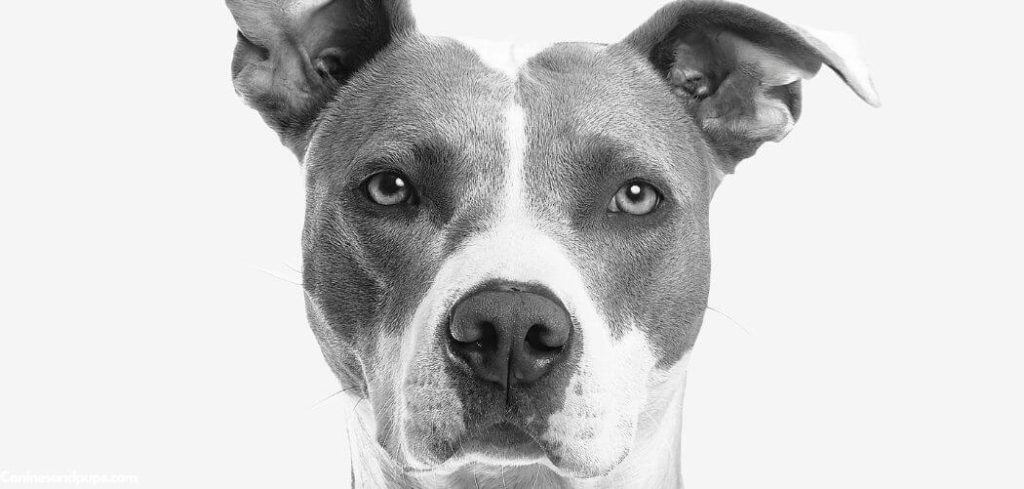
Old Dog Losing Hair Around Eyes: Symptoms
Depending on the underlying problem, other symptoms may occur at the same time, including:
Thinning hair around the eyelids
Bald patches beneath the eyes
Redness around the eyes
Watery or excessive eye discharge
Crusting around the eyelids
Frequent face rubbing or scratching
Squinting or increased blinking
Swelling around the eye
Old Dog Losing Hair Around Eyes: Common Causes
Allergies
Allergies can cause itching and inflammation around the face and eyes. A dog may rub its face against furniture, carpets, or its paws, gradually damaging the hair and causing thinning around the eyes.
Other signs can include itchy paws, recurrent ear problems, skin redness, or itching elsewhere on the body.
Allergies can usually be managed, but persistent rubbing can damage the skin and potentially affect the eye. Veterinary evaluation is appropriate when the problem continues or keeps returning.
Related: Old Dog Losing Hair on Head (Causes and treatment)
Eye Irritation
Irritation from dust, environmental particles, hair, or other substances can cause a dog to rub or scratch around the eye. Repeated rubbing can result in hair loss around the affected area.
You may notice increased blinking, watering, redness, or sensitivity to light.
Eye problems should be treated carefully because seemingly minor irritation can sometimes involve the cornea or other delicate eye structures.
Avoid putting eye drops or other products into your dog’s eye unless your veterinarian recommends them.
Eye or Eyelid Infection
Infections affecting the eye or eyelids can cause redness, discharge, swelling, and irritation. Affected dogs may rub their faces, leading to hair loss around the eye.
The discharge may be watery, thick, or crusty depending on the underlying problem. Some dogs also blink more frequently or squint.
Because different eye conditions require different treatments, veterinary examination is important if discharge, redness, or discomfort persists.
Read more: Old Dog Losing Hair in Patches and Scabs (Causes and treatment)
Parasites
Certain mites can cause localized hair loss around the face and eyes. Some types of mange can produce bald patches, scaling, crusting, and inflammation.
A dog may or may not scratch intensely, depending on the specific parasite. Other areas of the body may become affected as well.
Many parasites cannot be diagnosed simply by looking at the skin. A veterinarian may perform skin testing to determine whether mites or another parasite is responsible.
Ringworm
Ringworm is a fungal skin infection that can cause hair loss and scaling around the face. The lesions may be circular or irregular and can sometimes affect the skin around the eyes.
Some dogs have little itching despite noticeable hair loss. Others develop redness or crusting.
Ringworm can spread between animals and can sometimes affect people, so suspected cases should be professionally diagnosed and treated.
Eyelid or Facial Skin Disease
Some dermatological conditions can affect the thin skin around the eyelids and cause localized hair loss. Inflammation may result in redness, scaling, crusting, or changes in pigmentation.
In older dogs, persistent skin changes may require more detailed investigation because several conditions can look similar on the surface.
Your veterinarian may recommend skin testing or other diagnostic procedures depending on what the affected area looks like.
Autoimmune or Immune-Mediated Skin Disease
Some immune-mediated skin disorders can affect the face and areas around the eyes. These conditions can produce hair loss, crusting, scaling, pigmentation changes, or lesions on other parts of the body.
The appearance can overlap with infections and allergies, so a visual examination alone may not be enough to determine the cause.
Veterinary testing, and sometimes a skin biopsy, may be recommended when an immune-mediated disorder is suspected.
Age-Related or Other Underlying Disease
Older dogs can develop a variety of health conditions that affect the skin and hair coat.
While mild changes in coat quality can accompany aging, noticeable localized hair loss around the eyes should not automatically be considered an age-related change.
If the hair loss occurs together with weight loss, changes in appetite, increased thirst or urination, lethargy, or other new symptoms, your veterinarian may recommend a broader health evaluation.
Related: Old Dog Losing Hair (Causes and treatment)
Old Dog Losing Hair Around Eyes: What to Do
Gently examine the area around your dog’s eyes in good lighting, without pulling at the remaining hair or touching the eyeball.
Look for redness, swelling, crusting, discharge, or other changes.
Keep the hair around the eyes clean and dry, but avoid using shampoos, soaps, human eye products, or home remedies close to the eyes unless your veterinarian has specifically recommended them.
Try to prevent your dog from repeatedly rubbing or scratching the area.
Continued rubbing can worsen the skin irritation and may injure the eye.
Keep bedding and grooming equipment clean, particularly if an infectious skin condition or parasites are possible.
Avoid sharing grooming tools between pets until the cause is known.
Take clear photographs of the affected area over several days.
This can help you determine whether the hair loss is spreading and can provide useful information during a veterinary appointment.
If your dog’s hair loss continues, spreads, or occurs alongside eye irritation or discharge, arrange a veterinary examination.
When to Call or Visit the Vet
Hair loss around the eyes deserves particular attention because skin problems and eye problems can occur together.
A veterinarian should examine persistent or worsening changes, especially when the eye itself appears uncomfortable.
Schedule an appointment if you notice:
Hair loss that continues or spreads
Persistent redness around the eyes
Recurring eye discharge
Crusting around the eyelids
Frequent face rubbing
Recurring skin infections
Changes in pigmentation or skin texture
Hair loss affecting other areas of the body
Seek emergency veterinary attention immediately if your dog develops:
Severe swelling around the eye
Sudden inability to open the eye
Severe squinting or obvious eye pain
An eye that appears cloudy or injured
Sudden vision problems
Significant bleeding
Severe facial swelling
Extreme weakness or distress
Old Dog Losing Hair Around Eyes: Treatment
Veterinary treatment for an old dog losing hair around the eyes starts with a thorough examination of the eyes, eyelids, surrounding skin, and hair coat, along with a review of the dog’s medical history and other symptoms.
The veterinarian may recommend an eye examination, skin scraping, cytology, fungal testing, blood tests, allergy evaluation, or other diagnostic testing when appropriate to identify infection, parasites, allergies, immune-mediated disease, or another underlying condition.
Treatment may include prescription eye medication, treatment for bacterial or fungal infections, parasite control, allergy management, or other targeted therapy based on the diagnosis.
Key Takeaway
An old dog losing hair around the eyes can occur with allergies, eye irritation, infections, parasites, skin disease, or immune-mediated conditions.
Although some cases are relatively mild, hair loss around the eyes should be watched carefully because the underlying problem may also involve the eye itself.
Pay attention to redness, discharge, squinting, rubbing, swelling, and changes in the skin. Persistent or spreading hair loss deserves veterinary evaluation, particularly in an older dog.
If your dog develops significant eye pain, swelling, vision changes, or difficulty opening the eye, seek veterinary attention immediately.
With an accurate diagnosis and appropriate treatment, many causes of hair loss around the eyes can be effectively managed.


