
Noticing your old dog losing hair on the head can be concerning, especially when the change is new or becomes more noticeable over time.
Hair loss around the face, ears, forehead, or other parts of the head can also make the skin easier to see and may be accompanied by changes in the skin’s texture or appearance.
The pattern of hair loss, the condition of the skin underneath, and whether your dog has other symptoms can provide important clues about what is happening.
Persistent or worsening hair loss should be monitored closely, particularly in an older dog.
Table of Contents
Old Dog Losing Hair on Head: Why It Happens
A dog may lose hair on the head when the skin or hair follicles are affected by irritation, inflammation, infection, allergies, hormonal changes, parasites, or another underlying health problem.
Hair loss may develop gradually or appear suddenly, and it can occur with itching, redness, scaling, odor, or changes in skin color.
In some older dogs, hair thinning is relatively mild, while other patterns of hair loss can indicate a condition that needs veterinary treatment.
Looking at the pattern of the bald areas and checking for changes in the skin can help determine how concerning the problem may be.
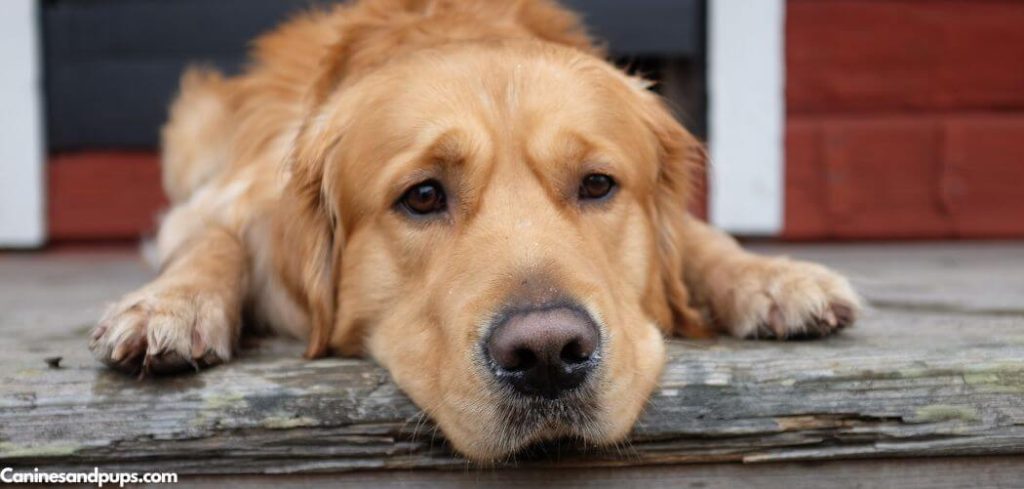
Old Dog Losing Hair on Head: Symptoms
Depending on the underlying problem, other symptoms may occur at the same time, including:
-
Thinning hair on the forehead or face
-
Bald patches around the ears
-
Hair loss around the eyes
-
Redness or irritation
-
Dry or flaky skin
-
Itching or scratching
-
Skin darkening or thickening
-
Unpleasant skin odor
Old Dog Losing Hair on Head: Common Causes
Allergies
Allergies can cause skin inflammation and itching, which may lead to hair loss when a dog repeatedly scratches, rubs, or chews affected areas. The face and ears can be particularly affected in some dogs.
You may notice redness, scratching, recurrent ear problems, licking, or irritation elsewhere on the body.
Some dogs develop seasonal symptoms, while others experience ongoing skin problems.
Allergies are not usually an emergency, but persistent itching can damage the skin and increase the risk of secondary infections.
Veterinary assessment can help identify the most likely trigger and appropriate treatment.
Read more: Old Dog Losing Hair in Patches and Scabs (Causes and treatment)
Skin Infection
Bacterial or yeast infections can affect the skin and contribute to hair loss on the head. The affected skin may become red, greasy, crusty, scaly, or have an unusual odor.
Dogs may scratch or rub their face because the area is uncomfortable. Hair may then break off or fall out around the affected skin.
Skin infections often require specific treatment, so persistent hair loss accompanied by redness, odor, crusting, or significant itching should be examined by a veterinarian.
Ear Problems
An ear infection or another condition affecting the ears can cause an old dog to scratch, rub, or shake its head repeatedly.
This physical irritation can result in hair loss around the ears, cheeks, or sides of the head.
Other signs may include head shaking, ear odor, redness, discharge, or sensitivity when the ears are touched.
Treating the underlying ear problem is important because continued scratching can further irritate the skin and cause additional hair loss.
Read more: Old Dog Losing Hair on Tail (Here’s why)
Parasites
External parasites such as fleas and mites can cause significant itching and skin irritation. Some types of mites can cause hair loss, crusting, scaling, and inflamed skin.
A dog does not always have an obvious infestation that an owner can see. Some parasites are microscopic and require veterinary testing to identify.
If your old dog has sudden or patchy hair loss accompanied by intense itching, crusting, or skin irritation, a veterinarian can examine the skin and determine whether parasites are involved.
Ringworm
Ringworm is a fungal skin infection that can cause circular areas of hair loss, scaling, and crusting. Despite its name, it is not caused by a worm.
Lesions can occur on the head, ears, face, or other areas of the body. Some dogs have relatively mild irritation, while others develop more noticeable skin inflammation.
Ringworm can spread between animals and, in some circumstances, between animals and people. If it is suspected, veterinary diagnosis and appropriate treatment are important.
Hormonal or Endocrine Disorders
Certain hormonal disorders can cause gradual hair thinning or hair loss in dogs. These conditions may affect the body more broadly rather than producing a single small bald patch.
Other signs can include changes in weight, appetite, thirst, urination, energy, or skin quality, depending on the underlying disorder.
Because hormonal diseases are more common considerations in some older dogs, persistent or symmetrical hair loss may warrant blood testing and other veterinary evaluation.
Nutritional or Metabolic Problems
Poor nutrition or certain metabolic disorders can affect the skin and hair coat. In an older dog, nutritional or metabolic problems may also occur alongside changes in weight, appetite, digestion, or general energy.
Hair loss caused by an internal problem may not be limited to one small area of the head. The coat may become thinner or duller in multiple areas.
A veterinarian can assess your dog’s diet, body condition, medical history, and overall health to determine whether nutritional or metabolic factors could be contributing.
Age-Related or Other Skin Disease
Older dogs can develop changes in the skin and hair coat as they age, but significant or localized baldness should not automatically be attributed to getting older.
Skin masses, chronic inflammation, autoimmune skin disorders, and other dermatological conditions can sometimes cause localized hair loss.
The appearance may vary considerably depending on the condition.
If the bald area continues to expand, develops a lump, ulceration, crusting, bleeding, or other unusual changes, veterinary examination is important.
Related: Old Dog Losing Hair (Causes and treatment)
Old Dog Losing Hair on Head: What to Do
Start by gently examining the area where your old dog is losing hair. Look for redness, scaling, crusts, bumps, discharge, swelling, parasites, or changes in skin color, but avoid aggressively rubbing or scratching the affected area.
Try to prevent excessive scratching or rubbing if possible. Continued trauma can make irritated skin worse and may contribute to additional hair loss.
Keep your dog’s bedding clean and wash it regularly, particularly if parasites or a contagious skin condition could be involved. Avoid sharing grooming tools with other pets until the cause of the hair loss is known.
Do not apply human creams, essential oils, antifungal products, steroids, or other medications to your dog’s skin unless your veterinarian specifically recommends them. Some products can irritate the skin or be unsafe if swallowed.
Take clear photographs of the affected area every few days. This can help you determine whether the bald patch is expanding and can also provide useful information during a veterinary consultation.
If the hair loss continues, spreads, or occurs with itching or noticeable skin changes, arrange a veterinary examination.
When to Call or Visit the Vet
Hair loss that is persistent, spreading, or accompanied by skin abnormalities should be assessed by a veterinarian. This is particularly important in an older dog when a new skin or coat change develops without an obvious explanation.
Schedule an appointment if you notice:
-
Hair loss that continues or spreads
-
Persistent itching or scratching
-
Red, flaky, or crusty skin
-
Recurring ear problems
-
Skin odor or discharge
-
Changes in skin color or thickness
-
Unexplained weight or appetite changes
-
Other new health or behavior changes
Seek emergency veterinary attention immediately if your dog develops:
-
Severe facial swelling
-
Difficulty breathing
-
Sudden widespread skin swelling or hives
-
Severe weakness or collapse
-
Significant bleeding from a skin lesion
-
Extreme pain or distress
-
Rapid deterioration in overall condition
Old Dog Losing Hair on Head: Treatment
Veterinary treatment for an old dog losing hair on the head starts with a thorough examination of the skin, hair coat, ears, and affected areas, along with a review of the dog’s medical history and any other symptoms.
The veterinarian may recommend skin scrapings, cytology, fungal testing, blood tests, or other diagnostic tests when appropriate to identify parasites, infection, allergies, hormonal disorders, or other underlying conditions.
Treatment may include prescription medications, parasite control, medicated shampoos, treatment for infections, allergy management, dietary changes, or other targeted therapy based on the diagnosis.
Recovery and Monitoring
Recovery depends on what is causing the hair loss. Hair may begin to grow back after an infection, parasite problem, or other skin condition is successfully treated, although the rate of regrowth varies between dogs.
Some underlying conditions require long-term management rather than a short course of treatment.
In these situations, keeping the skin healthy and controlling the underlying problem can help prevent further hair loss.
Monitor the affected area for changes in size, redness, scaling, odor, itching, or skin color. Take photographs periodically so you can compare the area over time.
Follow your veterinarian’s treatment instructions carefully and avoid stopping medication simply because the skin appears better. Some conditions can return if treatment is stopped too early.
If new bald patches develop or the original area continues to worsen despite treatment, arrange a follow-up examination. Additional testing may be needed to determine why the skin has not improved.
Key Takeaway
An old dog losing hair on the head can have many possible explanations, including allergies, skin infections, parasites, ear problems, hormonal disorders, and other skin or internal conditions.
Mild age-related coat changes can occur, but persistent or localized bald patches should not automatically be considered a normal part of aging.
Pay attention to what the skin underneath the missing hair looks like and whether your dog is scratching, rubbing, or developing other symptoms.
These details can help your veterinarian identify the underlying problem.
If the hair loss is spreading, the skin is becoming inflamed or infected, or your dog develops other changes in health, arrange a veterinary examination.
With the right diagnosis and treatment, many causes of hair loss can be managed effectively.


