
Seeing your senior dog vomit repeatedly can be alarming and concerning for any dog owner.
Frequent vomiting may signal underlying medical issues, dietary problems, or age-related organ changes.
We outline the common reasons why an old dog may keep throwing up, what you can do, and when to seek veterinary care.
Table of Contents
Old Dog Keeps Throwing Up: Why It Happens
An old dog that keeps throwing up often experiences this because of underlying health issues such as gastrointestinal problems, kidney or liver disease, pancreatitis, or infections. Age-related conditions like cancer or organ decline can also trigger frequent vomiting.
In some cases, food intolerances, dietary changes, or ingestion of harmful substances may be the cause.
Persistent vomiting in senior dogs is never normal and usually signals that veterinary evaluation is needed to identify and treat the root problem.
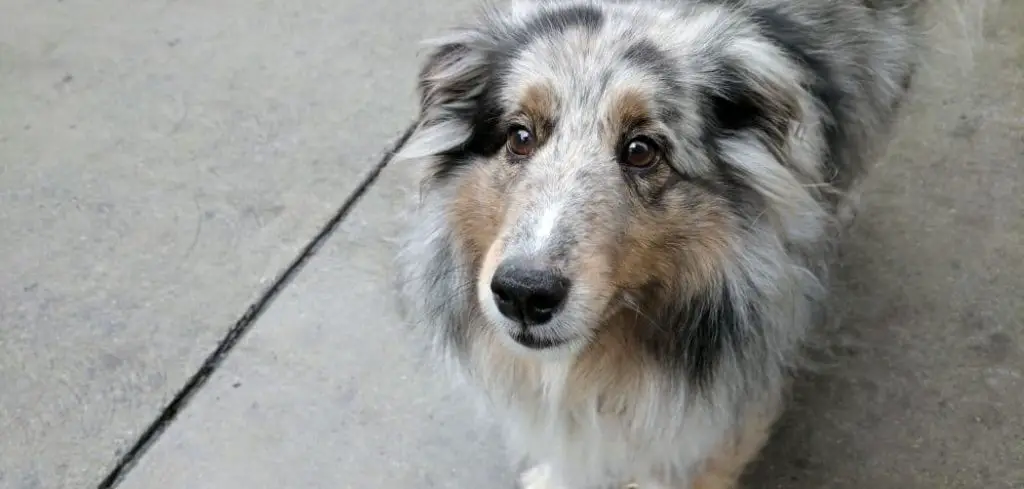
Dog Vomiting Daily But Acting Normal
A dog that vomits daily but still acts normal may be experiencing chronic mild gastritis, food intolerance, or intermittent digestive irritation.
However, even if behavior seems normal, daily vomiting is not healthy and suggests an ongoing issue.
Over time, it can lead to nutrient loss, dehydration, or worsening underlying disease, so veterinary evaluation is still important even without obvious illness signs.
Old Dog Keeps Throwing Up: Common Causes
Gastrointestinal Upset
Upset stomachs are a frequent cause of vomiting in senior dogs. Dietary indiscretion, sudden changes in food, or sensitivity to certain ingredients can irritate the digestive tract.
You may notice signs like diarrhea, drooling, or discomfort after eating. Managing diet carefully and monitoring portion sizes can help prevent repeated vomiting episodes.
Read more: Old Dog Vomiting and Not Eating (Understand the Connection)
Kidney Disease
Kidney issues are common in aging dogs and can lead to vomiting. When the kidneys are not functioning properly, toxins build up in the bloodstream, which can trigger nausea and vomiting.
Other signs include increased thirst, frequent urination, lethargy, and weight loss. Early detection and treatment are crucial to slow disease progression and improve quality of life.
Liver Disease
Liver problems can disrupt digestion and metabolism, causing nausea and vomiting.
Dogs may display jaundice (yellowing of the eyes or gums), loss of appetite, or lethargy. Prompt veterinary evaluation is needed to manage liver disease effectively and prevent further complications.
Pancreatitis
Inflammation of the pancreas often causes sudden vomiting in senior dogs. Pancreatitis may result from dietary fat overload, obesity, or other underlying conditions.
Signs include abdominal pain, loss of appetite, and diarrhea. Veterinary care is necessary to treat inflammation, manage pain, and prevent dehydration.
Infections or Parasites
Bacterial, viral, or parasitic infections can lead to vomiting in older dogs. Symptoms may include diarrhea, fever, lethargy, and a decreased appetite.
A veterinarian can identify the specific cause and provide appropriate treatment, such as antibiotics or antiparasitic medications.
Medications and Toxins
Certain medications or exposure to toxins can irritate the digestive system. Vomiting may occur after taking new prescriptions, supplements, or ingesting harmful substances.
Watch for signs like drooling, lethargy, or unusual behavior. Always consult a veterinarian before adjusting medications or addressing potential toxic exposures.
Old Dog Keeps Throwing Up After Eating
An older dog that repeatedly vomits after eating may be dealing with digestive disorders such as gastritis, food intolerance, slowed stomach emptying, or more serious conditions like tumors or organ disease.
In senior dogs, the stomach and digestive system often become more sensitive, making it harder to process meals normally.
Vomiting soon after eating can also happen if the dog eats too fast or has dental pain affecting chewing.
If this happens regularly, it should be evaluated because persistent post-meal vomiting is not normal aging and often indicates an underlying condition.
Old Dog Keeps Throwing Up After Drinking Water
Vomiting after drinking water in an older dog can indicate nausea, gastrointestinal irritation, or more serious problems like kidney disease, heart disease, or stomach obstruction.
Sometimes, dogs drink too quickly and immediately regurgitate, but in seniors, repeated vomiting after water intake is more concerning.
If the behavior continues, especially with lethargy or loss of appetite, a veterinary assessment is needed to identify the cause.
Old Dog Keeps Throwing Up Undigested Food
Vomiting undigested food often points to delayed digestion, regurgitation, or esophageal problems.
In older dogs, causes may include megaesophagus, gastrointestinal blockage, or reduced stomach motility. It can also occur if the dog eats too quickly or lies down immediately after eating.
If it happens frequently, it should be investigated because it may indicate structural or chronic digestive disease.
My Old Dog Keeps Throwing Up Clear Liquid
Clear liquid vomit is often saliva, water, or stomach fluid and may be seen in cases of empty stomach irritation, acid reflux, or early gastritis.
In senior dogs, it can also be associated with kidney disease or other chronic conditions that increase nausea.
If clear vomiting occurs repeatedly, it suggests ongoing stomach irritation and should not be ignored.
Why Is My Old Dog Vomiting Yellow Liquid?
Yellow vomit usually contains bile, which is produced when the stomach is empty or irritated. In older dogs, this can be due to acid reflux, liver or gallbladder issues, pancreatitis, or prolonged periods without food.
It may also occur early in the morning or late at night when the stomach is empty.
Frequent bile vomiting should be checked because it can indicate underlying digestive or organ disease.
Old Dog Keeps Throwing Up and Diarrhea
Vomiting combined with diarrhea in a senior dog suggests a systemic gastrointestinal problem such as infection, pancreatitis, toxin exposure, or organ dysfunction.
This combination can quickly lead to dehydration, weakness, and electrolyte imbalance, especially in older dogs.
Because seniors are more fragile, this symptom combination should be treated as urgent and evaluated immediately by a veterinarian.
Read more: Old dog sickness and diarrhea (Causes and treatment)
What to Do If Your Old Dog Keeps Throwing Up
Monitor your senior dog’s vomiting frequency and appearance to help identify triggers.
Provide small, bland meals such as boiled chicken and rice to soothe the stomach.
Ensure access to fresh water to prevent dehydration, especially if vomiting is frequent.
Create a calm and stress-free environment to reduce anxiety-induced vomiting.
Avoid giving human medications or home remedies without veterinary guidance, as these may worsen the condition.
When to Call or Visit Your Vet
Immediate veterinary attention is warranted if vomiting is accompanied by lethargy, severe dehydration, or blood in vomit.
Persistent vomiting with diarrhea, weight loss, or sudden behavioral changes also requires prompt evaluation.
Senior dogs with kidney, liver, or heart disease need rapid intervention if vomiting occurs to prevent serious complications.
A veterinarian can perform tests to identify underlying causes and recommend targeted treatment, including medications, dietary changes, or supportive care.
Read more: Old dog vomiting and diarrhea and not eating (What You Can Do)
Key Takeaway
Frequent vomiting in older dogs can signal gastrointestinal issues, organ disease, infections, or reactions to medications.
Observing your dog closely, maintaining a gentle diet, and providing hydration are important first steps.
Prompt veterinary evaluation is essential to diagnose underlying causes and provide effective treatment. With attentive care, you can help your senior dog feel more comfortable and maintain a better quality of life.


