
There comes a moment in many pet parents’ lives when love requires the hardest choice of all. When your senior dog is suffering from chronic illness, severe pain, or advanced age-related decline, you may begin considering euthanasia at home.
This decision is never easy. It’s emotional, personal, and filled with doubt. Yet for many families, choosing at-home euthanasia offers a peaceful and dignified way to say goodbye.
Instead of a sterile clinic environment, your dog can pass surrounded by familiar smells, favorite blankets, and the people who love them most.
In this guide, we’ll explore how in-home euthanasia works, when it may be appropriate, how to prepare, and how to cope afterward — all with compassion and honesty.
Table of Contents
Old Dog Euthanasia at Home: Why More Families Are Choosing It
In recent years, in-home euthanasia has become increasingly common. Veterinary hospice services now offer mobile visits specifically designed to support pets at the end of life.
The reason is simple: home feels safe.
Older dogs are often anxious at veterinary clinics. Car rides may be painful due to arthritis. Bright lights and unfamiliar sounds can increase stress, especially in dogs with cognitive decline.
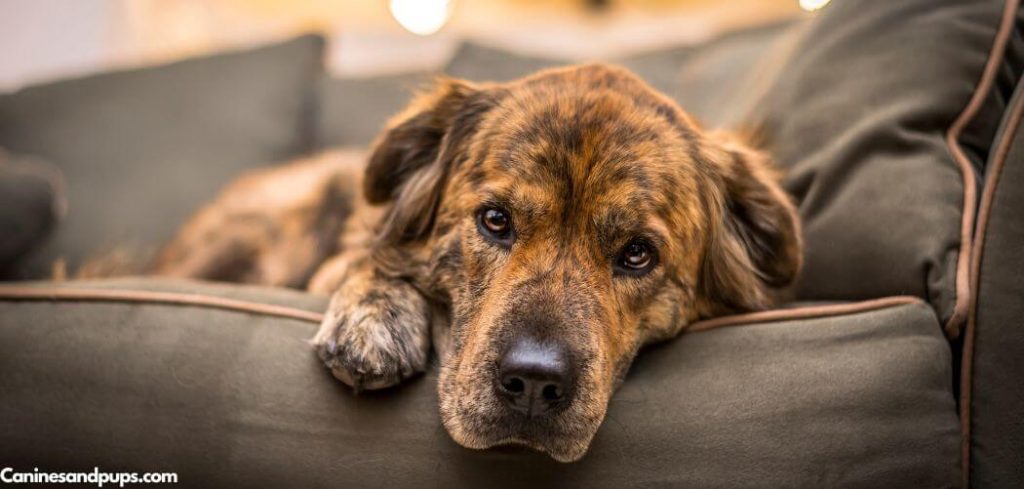
At home, your dog can rest in their favorite bed. They can be held in your arms or lie beside you on the couch. There’s no rush, no clinical rush — just quiet comfort.
For many families, this setting transforms a heartbreaking moment into a gentle farewell.
Deciding When It May Be Time
Deciding when to proceed with euthanasia is deeply personal. There isn’t a single sign that applies to every dog. Instead, veterinarians encourage owners to assess the quality of life.
Is your dog eating? Drinking? Sleeping comfortably? Do they still experience moments of joy?
When suffering outweighs comfort, euthanasia becomes an act of compassion — not defeat.
Below are common medical situations that often lead to considering euthanasia at home.
Reasons to Consider Older Dog Euthanasia at Home
Quality of Life
Quality of life is the most important factor when considering euthanasia. It’s not just about how long your dog can live, but how well they are living.
Veterinarians often encourage owners to think about daily comfort, ability to eat and drink, mobility, and emotional engagement. If your dog is no longer able to enjoy basic aspects of life or is in ongoing discomfort, it may be time to consider a humane option.
Some owners find it helpful to track good days versus bad days. When the difficult days begin to outweigh the good ones, it can provide clarity in an otherwise overwhelming decision.
Read more: Old Dog Behavior Before Death (What to expect)
Advanced Arthritis and Chronic Pain
Severe arthritis can make everyday movement agonizing for older dogs.
When cartilage completely wears away, bones grind together. Even with pain medication, some dogs struggle to stand, walk, or lie down comfortably.
If your dog spends most of the day immobile, crying out, or unable to control elimination due to mobility issues, quality of life declines dramatically.
While medications and therapies can help early on, there may come a point when pain becomes unmanageable. Choosing euthanasia at home allows your dog to rest peacefully rather than endure constant discomfort.
Late-Stage Cancer
Cancer is one of the most common reasons for euthanasia in older dogs.
Some cancers grow aggressively and spread to vital organs. Others cause internal bleeding, breathing difficulty, or extreme fatigue.
When treatment options are no longer effective — or when aggressive therapies would only extend suffering — families may choose a peaceful goodbye.
Home euthanasia is often preferred for dogs with cancer because they may already feel weak or disoriented. Passing in familiar surroundings minimizes stress during their final moments.
End-Stage Kidney or Liver Failure
Kidney and liver diseases progress gradually but can eventually lead to severe toxin buildup in the bloodstream.
Symptoms include vomiting, loss of appetite, dehydration, weakness, and confusion.
When supportive treatments like IV fluids and special diets no longer provide relief, euthanasia may be the most humane option.
In these cases, old dog euthanasia at home prevents further distress and allows your pet to drift away quietly.
Severe Cognitive Dysfunction (Dog Dementia)
Advanced canine cognitive dysfunction can leave a dog in constant confusion.
They may wander aimlessly, bark through the night, forget family members, or appear frightened in their own home.
When dementia progresses to the point where your dog rarely experiences calm or recognition, it can be heartbreaking to witness.
Home euthanasia allows them to pass in the only place that still feels somewhat familiar, surrounded by reassuring voices and gentle touch.
Read more: Old Dog Syndrome (Signs to watch out for)
Heart Failure or Respiratory Distress
Congestive heart failure and chronic lung disease can make breathing laborious.
If your dog struggles for breath even at rest, coughs persistently, or collapses frequently, their body may be nearing its limit.
Rather than waiting for a crisis emergency, some families choose planned euthanasia at home to avoid panic or suffering.
This proactive approach ensures your dog’s final breath is peaceful, not gasping or fearful.
Loss of Movement
When a dog can no longer stand, walk, or control elimination — and when supportive devices no longer help — dignity can suffer.
While many owners lovingly manage incontinence and lifting assistance, there may be a point when the dog’s frustration or discomfort outweighs manageable care.
Choosing euthanasia at home allows your dog to maintain dignity, avoiding emergency situations or prolonged distress.
How Old Dog Euthanasia at Home Works
Understanding the process can ease fear and uncertainty.
First, you schedule a visit with a mobile veterinarian who specializes in end-of-life care. They typically allow ample time so the experience doesn’t feel rushed.
When they arrive, they’ll gently assess your dog and answer any final questions.
The process involves two steps.
The first injection is a sedative, administered under the skin or into muscle. This allows your dog to fall into a deep, relaxed sleep. You may hold them, speak softly, or simply sit quietly.
Once your dog is fully unconscious and comfortable, the veterinarian administers a second injection that painlessly stops the heart.
Your dog will not feel this step. They simply drift from sleep into peaceful passing.
The entire process is calm and dignified. Most dogs appear deeply relaxed, often breathing softly before slipping away.
Preparing Emotionally and Practically
Preparation helps make the experience meaningful rather than chaotic.
Choose a quiet, comfortable location in your home. Some families prefer the living room, backyard, or a favorite sunny spot.
Place your dog on a soft blanket or bed. Surround them with familiar objects if desired.
Consider who should be present. Some families gather together; others prefer privacy. There is no right or wrong choice.
You may also decide ahead of time about aftercare — cremation, burial, or memorial keepsakes. Many mobile veterinarians coordinate these services directly.
What to Expect Physically After Passing
After the heart stops, there may be subtle reflexes. Your dog’s body may twitch slightly, or a final breath may escape. The eyes often remain open.
These are natural physiological responses — not signs of pain.
Your veterinarian will confirm passing and give you time alone if desired.
Though the moment is heartbreaking, it is peaceful. Many families describe it as calm, almost sacred.
Coping With Grief After Home Euthanasia
Grief after euthanasia is intense. Even when you know it was the right decision, your heart aches.
You may feel guilt, sadness, relief, or all three at once.
Remember that choosing old dog euthanasia at home is not giving up — it is protecting your companion from unnecessary suffering.
Healthy ways to cope include creating a memorial space, writing a letter to your dog, framing favorite photos, or planting a tree in their honor.
Talking openly with supportive friends or joining a pet loss support group can also help.
Grief doesn’t disappear overnight. But with time, the sharp pain softens into gratitude for the years you shared.
Is Home Euthanasia More Expensive?
In-home euthanasia typically costs more than clinic procedures due to travel and extended appointment time.
However, many families find the emotional comfort well worth the investment.
Prices vary by location but generally include sedation, euthanasia, and coordination of aftercare.
Some veterinary practices offer payment plans or hospice consultations before the final appointment.
Frequently Asked Questions
Is old dog euthanasia at home painless?
Yes. The process is designed to be completely pain-free. Sedation ensures your dog is deeply asleep before the final injection.
Will my dog know what’s happening?
No. Once sedated, your dog is unconscious and unaware.
Can children be present?
Yes, if you feel it’s appropriate. Preparing them gently beforehand is important.
How long does the appointment take?
Most visits last 45–90 minutes, allowing time for questions and quiet goodbyes.
Is it wrong to choose euthanasia before a crisis?
No. Many veterinarians believe choosing a peaceful passing before suffering escalates is a loving and responsible decision.
A Gentle Goodbye Filled With Love
Choosing home-based euthanasia for your old dog is one of the most compassionate decisions a dog parent can make.
It transforms a moment of heartbreak into one of peace. Instead of bright lights and unfamiliar smells, your dog’s final memory is warmth, quiet voices, and the comfort of home.
Though saying goodbye hurts deeply, remember this: you gave your dog a lifetime of love. And in their final moments, you gave them dignity and relief.
That is not a loss of love — it is love at its purest form.


