
When an old dog starts drooling and shaking, the sudden change can be concerning, especially if these symptoms are unusual for your senior companion.
Occasional drooling or trembling may have a mild explanation, but the combination can also indicate discomfort or illness and should not be ignored when it is persistent, severe, or accompanied by other changes.
Your dog’s age, the amount of drooling, how long the shaking lasts, and whether there are changes in appetite, behavior, movement, breathing, vomiting, or awareness can help provide important information.
Table of Contents
Old Dog Drooling and Shaking: Why It Happens
An old dog may drool and shake because of pain, nausea, anxiety, dental disease, toxin exposure, or a neurological problem. Dental and oral disease can cause excessive saliva, while shaking may occur when a dog is painful or distressed.
In senior dogs, new shaking accompanied by drooling can also occur with seizures or other neurological disorders.
If the symptoms are sudden or persistent, the dog should be examined by a veterinarian to identify the underlying cause.
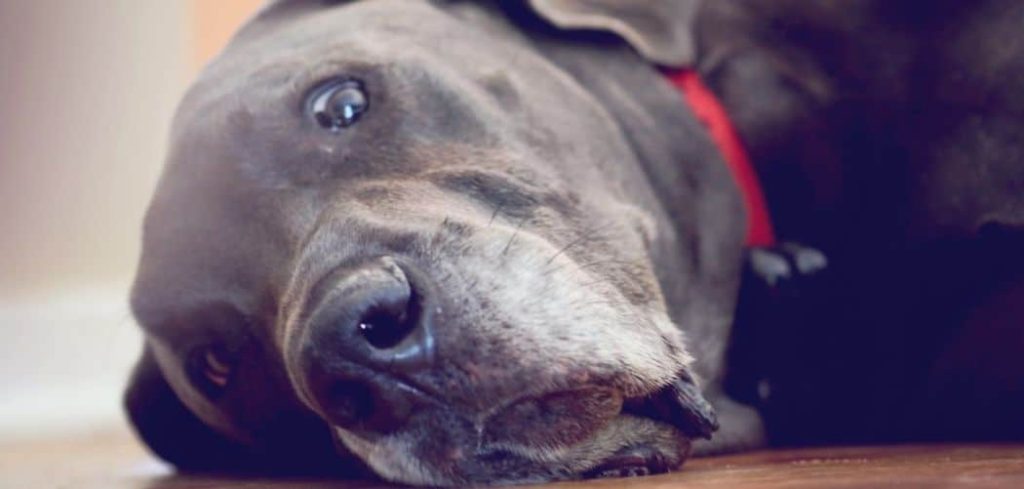
Old Dog Drooling and Shaking: Common Causes
Nausea or an Upset Stomach
Nausea is an important cause of sudden drooling in dogs and may occur before vomiting.
Dogs experiencing nausea may also become restless, tremble, repeatedly swallow, lick their lips, or refuse food.
Possible digestive causes include gastroenteritis, dietary indiscretion, pancreatitis, intestinal disease, or another gastrointestinal problem.
If shaking and drooling are followed by vomiting, diarrhea, abdominal discomfort, or loss of appetite, a digestive problem becomes more concerning.
Related: Dog excessively drooling suddenly (Causes and when to worry)
Dental Disease or Mouth Pain
Oral pain can cause excessive drooling and may also make a dog tremble or appear distressed.
Older dogs are particularly likely to have accumulated dental disease.
Inflamed gums, painful teeth, oral inflammation, injuries, foreign material, or other disorders of the mouth can interfere with eating and swallowing and contribute to excessive salivation.
Look for signs such as:
Bad breath
Difficulty chewing
Dropping food
Pawing at the mouth
Reluctance to eat
Blood-tinged saliva
Swelling around the mouth or face
Something Stuck in the Mouth
A piece of material lodged around the teeth, under the tongue, or elsewhere in the mouth can cause sudden drooling and discomfort.
A dog may shake its head, paw at its mouth, repeatedly swallow, gag, or become reluctant to eat.
Foreign objects and injuries involving the mouth are recognized causes of excessive salivation.
Sudden heavy drooling with obvious difficulty swallowing or breathing requires prompt veterinary attention.
Anxiety, Fear, or Stress
Fear can cause both trembling and increased salivation.
A stressed dog may shake, drool, pace, hide, whine, seek its owner, or become unusually alert.
Possible triggers include thunderstorms, fireworks, unfamiliar surroundings, loud noises, travel, or changes in routine. Fear, nervousness, and excitement are recognized causes of excessive salivation in dogs.
If the episodes occur only around a particular trigger and the dog returns to normal afterward, a stress response becomes more plausible.
However, new anxiety-like behavior in an older dog should not automatically be considered behavioral, particularly if there is no obvious trigger.
Pain or Physical Discomfort
Pain can cause shaking and may also lead to drooling, particularly when the source of pain involves the mouth, abdomen, or another area causing significant distress.
An older dog with arthritis, back pain, abdominal discomfort, dental disease, or another painful condition may tremble, become restless, seek attention, or have difficulty settling.
Pain can sometimes be subtle, so a dog does not necessarily have to cry or limp dramatically for discomfort to be present.
Pancreatitis or Other Abdominal Problems
Pancreatitis and other painful gastrointestinal disorders can cause nausea, drooling, trembling, vomiting, reduced appetite, and abdominal discomfort.
A dog with significant abdominal pain may also become restless, change positions frequently, or adopt an unusual posture.
Because several different gastrointestinal conditions can produce similar signs, drooling and shaking alone cannot establish that pancreatitis is the cause.
Veterinary examination and appropriate testing are needed when abdominal illness is suspected.
Related: Old Dog Drooling (Causes and what to do)
Neurologic Problems
Shaking can sometimes result from a neurologic disorder, particularly when the trembling is repetitive, involuntary, or accompanied by other neurologic changes.
Certain neurologic disorders and seizure-related conditions can also be associated with excessive salivation.
More concerning accompanying signs include staring or reduced responsiveness, unusual eye movements, loss of balance, circling, weakness, seizures, or difficulty walking.
Metabolic or Organ Disease
Older dogs are more likely to develop diseases affecting organs and metabolism, and some of these conditions can produce both drooling and abnormal behavior or trembling.
Kidney or liver dysfunction, for example, can be associated with excessive salivation, while metabolic abnormalities may contribute to weakness, tremors, confusion, or other neurologic signs.
Other symptoms may include increased thirst or urination, appetite changes, weight loss, vomiting, weakness, or changes in alertness.
Medication or Toxic Exposure
Some medications and toxic substances can cause excessive salivation, shaking, vomiting, weakness, or neurologic abnormalities.
A sudden episode after possible exposure to something unusual should be treated differently from a mild, recurring behavior with an obvious emotional trigger.
If poisoning is suspected, contact a veterinarian or emergency veterinary service promptly rather than waiting for additional symptoms to develop.
Difficulty Swallowing
Sometimes a dog drools not because it is producing unusually large amounts of saliva, but because it cannot swallow the saliva normally.
Problems involving the mouth, throat, esophagus, or structures involved in swallowing can lead to saliva accumulating and spilling from the mouth.
Repeated swallowing, gagging, coughing while eating or drinking, regurgitation, or difficulty eating can provide clues that swallowing is involved.
Salivary Gland Disease
Disorders affecting the salivary glands can cause abnormal salivation and swelling around the jaw, throat, or neck.
Salivary gland problems are less common than dental disease or nausea, but they may be considered when drooling is persistent or accompanied by swelling or difficulty swallowing.
In an older dog, a persistent swelling near a salivary gland warrants veterinary evaluation.
Oral Growths or Tumors
Oral growths can interfere with chewing, swallowing, or normal saliva handling. Depending on their location, they may cause drooling, bad breath, bleeding, pain, or difficulty eating.
Persistent drooling in an older dog accompanied by a new lump, swelling, bleeding, or a change in eating habits should therefore be investigated rather than assumed to be normal aging.
Related: Old Dog Drooling and Panting (Causes and treatment)
Old Dog Drooling and Shaking but Still Eating
A dog that continues to eat normally may have a less severe or intermittent problem, but normal appetite does not rule out dental pain, nausea, anxiety, or another medical condition.
Watch for changes in how the dog eats. Chewing more slowly, dropping food, avoiding hard food, swallowing repeatedly, or showing discomfort while eating can provide useful clues.
If drooling and shaking keep returning despite a normal appetite, veterinary assessment is appropriate.
Old Dog Drooling and Shaking at Night
If an older dog mainly drools and shakes at night, anxiety, nausea, pain, or another source of discomfort may become more noticeable when the household is quiet.
Nighttime episodes can also make subtle behavioral or neurologic changes easier to notice. If the behavior is new, increasingly frequent, or occurs without an obvious trigger, it is worth discussing with a veterinarian.
Old Dog Drooling and Shaking but Acting Normal
A dog that quickly returns to normal after a brief episode may have experienced temporary stress, excitement, nausea, or another short-lived trigger.
However, appearing normal between episodes does not completely rule out illness. Some conditions are intermittent, and dogs may behave normally between episodes of discomfort.
The frequency and progression therefore matter. A single brief episode is different from a pattern that occurs repeatedly or becomes more intense.
Old Dog Drooling and Shaking With Vomiting
Drooling can occur as part of nausea before vomiting. Dogs may salivate excessively, lick their lips, swallow repeatedly, or become restless before they vomit.
If shaking and drooling repeatedly precede vomiting, especially when accompanied by abdominal pain, weakness, appetite loss, or dehydration, the dog should be evaluated.
When to Call or Visit the Vet
Have an older dog evaluated if new drooling and shaking persist, recur, or occur without an obvious explanation.
Seek immediate veterinary attention if your dog has:
Heavy or continuous drooling
Difficulty swallowing, gagging, or choking
Trouble breathing
Repeated vomiting or attempts to vomit
A swollen, painful, or tense abdomen
Severe weakness, collapse, or confusion
Seizure-like activity or loss of awareness
Difficulty walking, falling, or other neurologic changes
Severe mouth pain or inability to eat
Facial, mouth, jaw, or neck swelling
Blood in the saliva
A new lump or growth in the mouth
Pale, blue, gray, or unusually abnormal gums
Possible exposure to a medication, poison, or other harmful substance
A sudden major change in behavior or responsiveness
Sudden shaking accompanied by severe drooling, neurologic abnormalities, difficulty breathing, collapse, or suspected poisoning warrants prompt veterinary attention.
Old Dog Drooling and Shaking: Treatment
Treatment depends on the underlying cause. The veterinarian will take a history of when the drooling and shaking started, how long episodes last, whether vomiting or eating changes occur, and whether there has been possible exposure to medications or other substances.
The examination may include a careful oral and dental examination, assessment of hydration and abdominal comfort, and neurologic evaluation.
Blood and urine tests, dental imaging, abdominal imaging, or other diagnostic tests may be recommended depending on the findings.
Treatment is then directed at the underlying diagnosis, with further testing or specialist referral considered when symptoms persist or the cause is unclear.
Key Takeaway
An old dog drooling and shaking may be experiencing nausea, dental or mouth pain, anxiety, abdominal discomfort, a neurologic problem, metabolic disease, or another medical condition. The combination is not specific enough to identify the cause by itself.
Pay attention to whether the dog is vomiting, having difficulty eating or swallowing, pawing at the mouth, showing abdominal discomfort, becoming confused or unsteady, or behaving differently from normal.
These accompanying signs can help a veterinarian determine where to investigate.
If the drooling and shaking are sudden, severe, recurrent, or accompanied by weakness, breathing difficulty, vomiting, severe pain, neurologic changes, difficulty swallowing, or possible toxin exposure, veterinary evaluation is important.
In an older dog, a new unexplained change should not simply be attributed to age.