
Diarrhea and panting in an old dog can be alarming because they point to both digestive upset and possible pain, stress, or illness.
Senior dogs are more vulnerable to health problems, so these two symptoms happening together shouldn’t be ignored.
We outline the common causes of diarrhea and panting in old dogs, what you can do at home, and when to seek veterinary help.
Table of Contents
Old Dog Diarrhea and Panting — Why It Happens
When an old dog has diarrhea and is panting, it usually means something is stressing their body. It could be caused by heat stress, digestive infections, dietary indiscretion, pain, or more serious issues like kidney or liver disease.
Panting is often the body’s way of trying to cope with pain, fever, or overheating, while diarrhea shows that the digestive system is under strain.
Both symptoms together can range from mild to very serious, depending on the cause and how quickly your dog recovers.
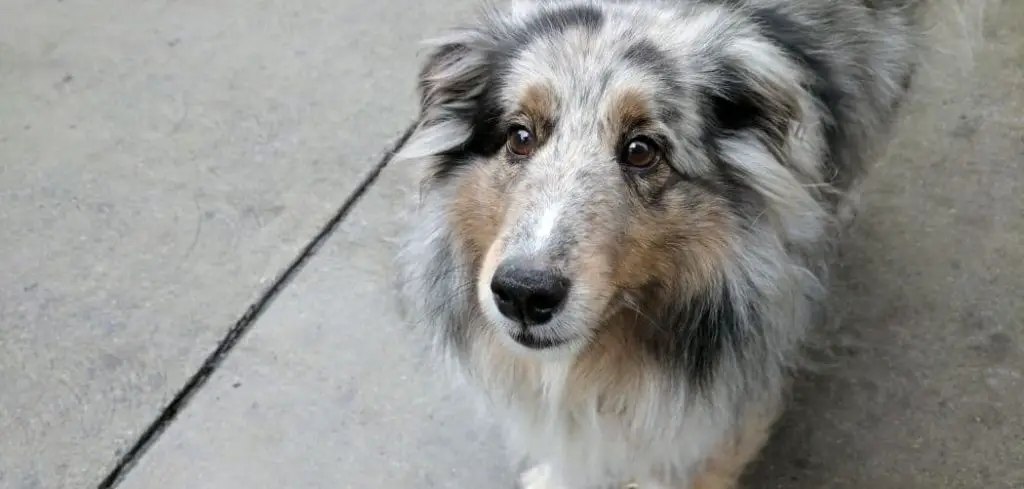
Old Dog Diarrhea and Panting: Common Causes
Heatstroke
Heatstroke is a medical emergency that can cause panting and diarrhea in an old dog.
Senior dogs have a harder time regulating their body temperature, especially in hot weather or after exercise. Excessive panting is the body’s way of trying to cool down, while diarrhea may develop as the body overheats and internal organs start to struggle.
Other signs include drooling, weakness, collapse, or even seizures. Without quick action, heatstroke can be fatal.
Read more: Old Dog Diarrhea and Vomiting (What it means)
Dietary Indiscretion
Eating spoiled food, garbage, or something toxic can easily upset an old dog’s digestive system.
Diarrhea develops because the gut is inflamed or irritated, while panting may follow if your dog is experiencing pain, nausea, or toxin absorption.
Even small amounts of foods like onions, grapes, or chocolate can trigger both digestive distress and systemic illness in senior dogs.
Gastrointestinal Infections
Bacterial, viral, or parasitic infections are another possible cause.
Diarrhea is the direct result of infection in the gut, while panting may happen due to fever, abdominal pain, or weakness. Infections can also cause vomiting, loss of appetite, and lethargy.
Old dogs have weaker immune systems, making them more vulnerable to infections that younger dogs might fight off more easily.
Kidney Disease
Chronic kidney disease is common in senior dogs.
When the kidneys can’t filter waste effectively, toxins build up in the bloodstream. This can lead to diarrhea, nausea, and panting caused by discomfort, dehydration, or systemic stress.
Kidney disease often develops gradually, so these symptoms may come and go before worsening over time. Weight loss, increased thirst, and bad breath are additional signs.
Liver Disease
The liver helps process toxins and digest food. If it’s failing, waste products and digestive issues appear.
An old dog with liver disease may have diarrhea because the digestive system isn’t functioning properly. Panting often follows due to abdominal pain, toxin buildup, or secondary complications like fever.
You may also notice jaundice (yellowing of gums or eyes), vomiting, and weakness.
Pain and Stress
Sometimes panting is less about illness and more about discomfort.
Pain from arthritis, internal inflammation, or even bloating can cause an old dog to pant heavily. Stress or anxiety can also upset the digestive system, leading to diarrhea.
Because older dogs hide pain well, panting may be one of the first clues owners notice.
Old Dog Diarrhea and Panting: What to Do
If your senior dog suddenly develops diarrhea and starts panting, begin by keeping them comfortable and monitoring closely.
Make sure they have access to cool, fresh water at all times. Dehydration is a major concern with diarrhea, especially for older dogs. Encourage small, frequent drinks rather than large gulps.
You can offer a bland diet of boiled chicken and rice for 12–24 hours if your dog is otherwise stable. This helps settle the stomach and firm up stools.
Keep your dog in a cool, quiet area and limit activity until you know the cause. If the panting is mild and your dog seems otherwise alert, short-term monitoring may be reasonable.
However, if diarrhea is severe, bloody, or paired with continuous panting, immediate veterinary attention is needed.
When to Call or Visit Your Vet
You should call your vet right away if:
Your old dog’s diarrhea is persistent, watery, or bloody.
Panting continues even when your dog is at rest and in a cool environment.
Your dog is also vomiting, refusing food, or showing signs of pain.
You notice other red flags such as lethargy, collapse, yellow gums, or weight loss.
In old dogs, even mild symptoms can escalate quickly, so it’s best to err on the side of caution.
A vet can run tests to rule out serious conditions like organ failure, infections, or poisoning and start appropriate treatment.
Related: Old Dog Diarrhea (Causes and when to worry)
Key Takeaway
Diarrhea and panting in an old dog often point to stress in the body — whether from heat, infection, diet, or organ disease.
Some causes are minor and temporary, but others can be life-threatening if ignored.
At home, you can support your senior dog with hydration, rest, and a bland diet, but if symptoms are severe, persistent, or paired with other concerning signs, a prompt vet visit is the safest step.
Your dog’s comfort, health, and quality of life depend on early attention and care.


