
It can be deeply worrying when your senior dog suddenly turns away from their food bowl. If your old dog is refusing to eat, it’s important to understand that appetite loss in older dogs is rarely just stubbornness. In many cases, it is a sign of discomfort, illness, or an underlying medical condition that needs attention.
While skipping a single meal may not always be an emergency, ongoing refusal to eat — especially in senior dogs — can quickly lead to weakness, weight loss, dehydration, and worsening health problems.
Table of Contents
Old Dog Refusing To Eat: Why It Happens
An old dog refusing to eat is usually caused by dental problems, illness, pain, or age-related changes affecting appetite and digestion. As dogs age, their senses, metabolism, and overall health can shift, making food less appealing or harder to consume.
In some cases, appetite loss is temporary, but persistent refusal to eat often points to an underlying issue that needs attention.
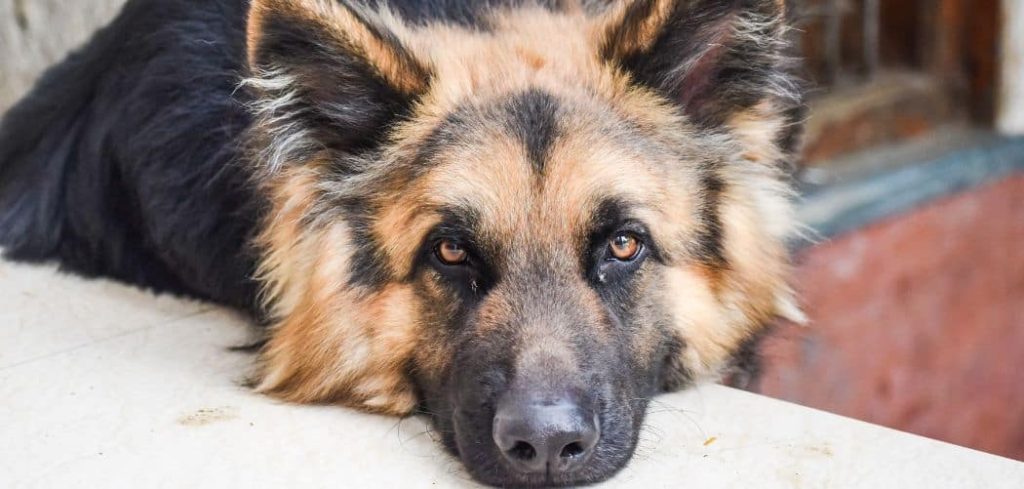
Is It Normal For Older Dogs To Eat Less?
It’s true that metabolism slows with age. Senior dogs may require fewer calories and may eat slightly smaller portions than they did in their prime years.
However, there’s a difference between eating less and refusing food entirely. A gradual reduction in appetite can be normal, but sudden or persistent refusal to eat is not.
If your old dog is refusing to eat for more than 24 hours — especially if they are also lethargic or showing other symptoms — veterinary evaluation is strongly recommended.
Why Appetite Is Such An Important Indicator
Appetite is one of the clearest indicators of overall well-being in dogs. Healthy dogs generally show interest in food, even if they eat modest portions.
When a senior dog loses its appetite, it often means something is wrong. Illness, pain, or nausea suppresses hunger. Because older dogs have less muscle reserve and slower recovery ability, prolonged appetite loss can cause rapid decline.
Monitoring eating habits closely allows early detection of health problems.
Old Dog Refusing To Eat: Common Causes
Dental Disease and Oral Pain
One of the most overlooked causes of appetite loss in senior dogs is dental disease. Over time, tartar buildup, gum infection, tooth fractures, and root abscesses can cause significant pain.
If chewing hurts, your dog may avoid food altogether — especially dry kibble. You may notice drooling, bad breath, dropping food while chewing, or pawing at the mouth.
Dental pain can be intense, even if your dog does not vocalize. Professional dental evaluation and treatment often restore appetite quickly.
Read more: Old Dog Not Eating or Drinking (When to worry)
Gastrointestinal Disorders
Inflammation of the stomach or intestines frequently leads to appetite suppression. Gastritis, inflammatory bowel disease, pancreatitis, or intestinal infections can all cause nausea.
An old dog refusing to eat due to gastrointestinal upset may also vomit, have diarrhea, or appear restless. Nausea alone is often enough to make food unappealing.
Chronic digestive disorders may develop gradually in senior dogs and require dietary management and medication.
Kidney Disease
Chronic kidney disease is extremely common in aging dogs. As kidney function declines, toxins accumulate in the bloodstream.
These toxins cause nausea, weakness, and general malaise. Dogs may initially drink more water, but as the disease progresses, appetite often declines.
Weight loss, increased urination, bad breath with a chemical odor, and lethargy frequently accompany kidney-related appetite loss.
Liver Disease
The liver plays a vital role in metabolism and detoxification. When liver function becomes impaired, nausea and reduced appetite often follow.
Dogs with liver disease may appear weak, vomit intermittently, or develop jaundice.
Because liver disease can progress quietly, appetite loss may be one of the earliest warning signs.
Chronic Pain
Pain suppresses appetite in both humans and animals. Senior dogs frequently suffer from arthritis, spinal disease, or internal discomfort.
If standing to eat or bending to reach the bowl causes pain, your dog may avoid mealtime. Subtle signs such as stiffness, reluctance to move, or changes in posture may indicate chronic pain.
Managing pain appropriately often improves appetite.
Cancer
Cancer becomes more common with age. Tumors affecting the digestive tract, liver, pancreas, or other organs may reduce appetite directly or cause systemic illness.
In advanced stages, metabolic changes associated with cancer suppress hunger significantly.
Unexplained weight loss alongside appetite decline is particularly concerning.
Infection
Systemic infections can cause fever, lethargy, and reduced appetite. Older dogs may not show dramatic symptoms, but even mild infections can impact eating behavior.
Blood testing helps identify infection-related inflammation.
Medication Side Effects
Senior dogs often take medications for arthritis, heart disease, or other chronic conditions. Some drugs can cause nausea or stomach irritation.
If appetite declined shortly after starting a new medication, consult your veterinarian.
Cognitive Dysfunction Syndrome
Cognitive decline may cause confusion around mealtimes. Dogs with advanced cognitive dysfunction may forget routines or seem disoriented.
In some cases, they approach the bowl but fail to eat or wander away.
Cognitive dysfunction is usually accompanied by pacing, altered sleep patterns, or house-training regression.
Read more: Old Dog Not Eating and Sleeping A Lot (What it could mean)
When Is It An Emergency?
Seek immediate veterinary care if your senior dog:
Refuses food for more than 24–48 hours
Refuses water
Vomits repeatedly
Has diarrhea
Appears extremely lethargic
Shows signs of pain
Experiences rapid weight loss
Because older dogs dehydrate quickly and have less physiological reserve, early intervention is critical.
Old Dog Refusing To Eat: Diagnosis and Treatment
Diagnosis begins with a thorough physical examination. Your veterinarian will assess hydration status, body condition, oral health, and abdominal comfort.
Bloodwork evaluates kidney and liver function, electrolyte balance, and infection markers. Imaging, such as X-rays or ultrasound, may be used to detect tumors or structural abnormalities.
Identifying the underlying cause ensures proper treatment rather than temporary appetite stimulation.
Treatment depends entirely on diagnosis. Dental disease may require cleaning or extraction. Gastrointestinal disorders may respond to anti-nausea medication and dietary therapy.
Kidney and liver disease require long-term management. Pain-related appetite loss improves with appropriate pain control.
In some cases, appetite stimulants may be prescribed while underlying issues are addressed.
Supporting Your Senior Dog At Home
Offer small, highly palatable meals recommended by your veterinarian. Slightly warming food may enhance aroma and encourage interest.
Ensure fresh water is always available. Avoid frequent food switching without veterinary guidance, as this can worsen digestive upset.
Maintain a calm, consistent feeding environment.
Key Takeaway
An old dog refusing to eat is never something to dismiss as simple aging. Appetite changes are often the first visible sign of illness, pain, or systemic decline in senior dogs.
The key is prompt evaluation and proactive care. If your aging companion loses interest in food, consult your veterinarian to identify the cause early.
With proper diagnosis and support, many underlying conditions can be managed effectively, helping your senior dog regain appetite and maintain comfort throughout their golden years.


