
Hearing your dog suddenly cry out in pain can be frightening, especially when it seems to happen without an obvious reason.
Random yelping should never be ignored because dogs often vocalize only when discomfort becomes significant, and the source of pain is not always easy to see.
Table of Contents
My Dog Keeps Yelping in Pain Randomly: Why It Happens
A dog that keeps yelping in pain randomly may be experiencing discomfort from muscles, joints, nerves, injuries, internal pain, or underlying medical conditions that are not immediately obvious.
Some dogs cry out only when moving a certain way, being touched in a sensitive area, or experiencing sudden pain episodes.
In other situations, the cause may involve spinal problems, abdominal discomfort, or conditions that gradually worsen over time.
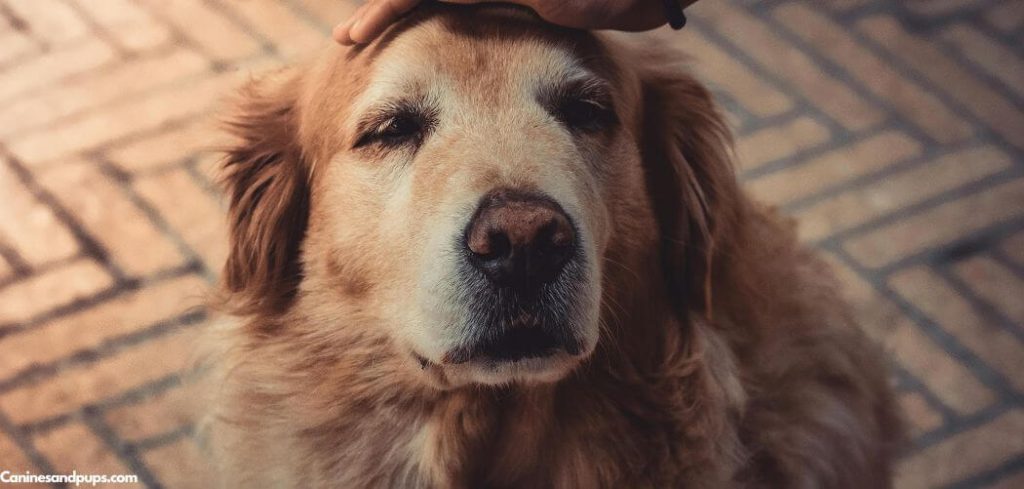
My Dog Keeps Yelping in Pain Randomly: Symptoms
If your dog keeps yelping in pain randomly, common symptoms may include:
Sudden crying or yelping
Flinching when touched
Limping
Restlessness
Hiding behavior
Shaking or trembling
Difficulty getting comfortable
Reduced activity
My Dog Keeps Yelping in Pain Randomly: Common Causes
Muscle Strain or Minor Injury
Dogs can sometimes injure themselves during completely normal activities. Jumping off furniture, running hard, rough play, slipping on smooth floors, or twisting awkwardly can create muscle strains that are not immediately obvious.
The discomfort may only appear when the dog moves in a certain position or puts pressure on a particular area.
This can make the yelping appear random, even though specific movements are triggering pain.
Owners often become confused because their dog may act perfectly fine most of the day and suddenly cry out while standing up, stretching, jumping, or turning around.
Read more: Dog Panting and In Pain (Signs something may be wrong)
Joint Pain or Arthritis
Joint pain is a common cause of intermittent pain episodes, especially in older dogs, although younger dogs can also experience joint problems.
Inflammation inside the joints can make movement uncomfortable, but the discomfort is not always constant. Dogs may have good moments and painful moments throughout the day.
Some dogs yelp when standing up after resting, climbing stairs, jumping, or changing direction suddenly.
Early joint problems can be easy to miss because many dogs continue eating and acting fairly normal.
Back Problems or Spinal Pain
Back pain is one of the more important causes to consider when dogs suddenly yelp unexpectedly.
Conditions affecting the spine can sometimes create sudden, sharp pain that comes and goes.
Certain movements may place pressure on sensitive nerves or spinal structures, causing a dog to cry out briefly.
Owners may also notice stiffness, reluctance to jump, changes in posture, difficulty climbing stairs, or unusual walking patterns. In some dogs, symptoms initially appear mild before becoming more noticeable.
Hidden Injury
Not every injury is easy to see. Small cuts, bruises, insect stings, nail injuries, or minor trauma can create pain without causing obvious visible signs. Dogs may yelp only when pressure reaches the painful area.
Because fur can hide injuries, owners sometimes do not realize a problem exists until they perform a closer examination.
If the yelping appears to happen during petting or handling, carefully check paws, legs, and the body for sensitive areas.
Abdominal Pain or Digestive Discomfort
Pain does not always come from muscles or bones. Internal discomfort can sometimes trigger sudden vocalization.
Digestive issues, bloating, stomach irritation, constipation, or other abdominal problems may create intermittent discomfort. Some dogs briefly yelp when shifting positions or when abdominal pressure changes.
Additional symptoms may include appetite changes, vomiting, restlessness, diarrhea, or unusual posture.
Nerve Pain
Nerves can create sharp, sudden pain sensations that seem unpredictable.
Unlike constant soreness, nerve discomfort may appear suddenly and disappear quickly. Dogs may yelp without an obvious trigger because even small movements can sometimes activate irritated nerves.
Owners occasionally describe these episodes as appearing completely random because the dog seems comfortable before and after the event.
What to Do If Your Dog Keeps Yelping in Pain Randomly
Start paying close attention to when the yelping occurs. Notice whether it happens during walking, standing up, jumping, eating, resting, or being touched. Patterns can provide important clues.
Gently examine your dog’s body if they allow it. Check for swelling, wounds, sensitive spots, nail injuries, or areas that seem painful. Avoid repeatedly pressing painful areas if your dog reacts negatively.
Limit intense activity until you understand what may be happening. Running, jumping, and rough play could worsen some injuries or joint problems.
Monitor for additional symptoms including limping, appetite changes, vomiting, difficulty walking, or changes in behavior.
When to Call or Visit Your Vet
Contact your veterinarian if the yelping continues, becomes more frequent, or starts interfering with normal activities.
Schedule an appointment if you notice limping, stiffness, reluctance to move, appetite changes, or sensitivity when touched.
Seek immediate veterinary care if your dog develops:
Trouble walking
Weakness in the legs
Difficulty breathing
Swollen abdomen
Collapse
Severe pain
Loss of bladder or bowel control
Read more: Dog Yelping in Pain and Not Eating (Possible causes)
My Dog Keeps Yelping in Pain Randomly: Treatment
The veterinarian may perform a physical examination and evaluate joints, muscles, nerves, and the spine to locate the source of discomfort. Depending on findings, imaging or additional tests may be recommended.
Treatment depends on the underlying cause and may include pain management, activity restriction, treatment for injuries, physical therapy, or addressing medical conditions contributing to pain.
Key Takeaway
Random yelping in dogs should not automatically be dismissed as normal behavior. Dogs often hide discomfort, and sudden cries can be one of the earliest signs that something is wrong.
Pay close attention to patterns and additional symptoms. If the yelping keeps happening or becomes more severe, a veterinary evaluation can help identify the cause and keep your dog comfortable.


