
If your senior dog has started rolling onto their back more often—or doing it suddenly and repeatedly—you might be wondering whether it’s normal or something to worry about.
While rolling on the back can be a harmless and even happy behavior, in older dogs it can sometimes signal discomfort, skin issues, or age-related changes.
Table of Contents
Old Dog Rolling On Back: Why It Happens
An old dog rolling on its back can be a normal behavior like stretching or seeking attention, but it can also indicate itching, discomfort, underlying medical issues, parasites, joint discomfort, or behavioral habits like seeking attention or self-soothing.
In some cases, it may also be linked to neurological changes or confusion, especially if the behavior appears repetitive or out of context.
Aging in dogs leads to changes in their skin, joints, and overall health, which can influence how and why they move their bodies in certain ways.
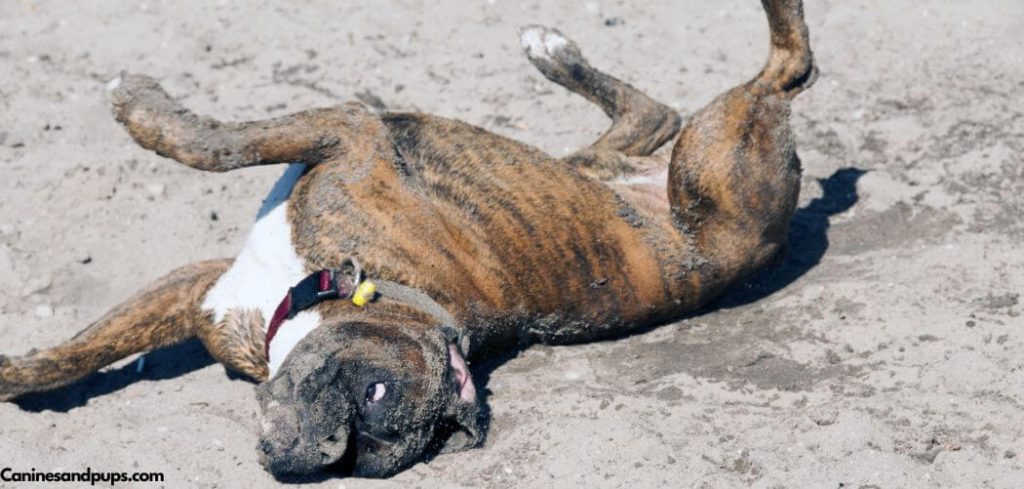
Is Rolling On Its Back Normal For Dogs?
Yes — in many cases, rolling on the back is completely normal. Dogs roll to scratch an itch, mark scent, stretch their spine, or invite belly rubs.
Playful rolling often includes relaxed body language, wagging tails, and soft facial expressions. If your senior dog has always rolled on their back occasionally and seems comfortable, this behavior may simply be part of their personality.
However, if the behavior is new, repetitive, frantic, or accompanied by scratching, whining, or signs of discomfort, it may point to an underlying issue.
Why Behavior Changes In Older Dogs Matter
As dogs age, their bodies and nervous systems change. Skin becomes thinner, joints stiffen, digestion slows, and chronic conditions become more common.
What may look like playful rolling could actually be an attempt to relieve discomfort. Because senior dogs often hide pain, subtle behaviors may be the first visible sign of a problem.
When evaluating this behavior, context is everything.
Old Dog Rolling On Back: Signs
If your old dog is rolling on their back, look for these accompanying signs to understand whether it’s normal or concerning:
- Frequent or repetitive rolling behavior
- Scratching, licking, or biting at the skin
- Redness, bumps, or hair loss
- Restlessness or agitation
- Difficulty getting up after rolling
- Whining or signs of discomfort
- Rolling in specific areas (like carpets or grass)
- Sudden increase in the behavior
- Changes in appetite or energy
Old Dog Rolling On Back: Common Causes
Skin Allergies and Irritation
One of the most common causes of increased rolling is skin irritation. Allergies to food, environmental allergens, or fleas can cause intense itching.
Rolling on the back may be an attempt to scratch areas that are difficult to reach, such as the spine or shoulders.
You may notice redness, hair loss, excessive licking, or frequent scratching in addition to rolling.
Senior dogs can develop new allergies even if they have never had skin problems before.
Read more: Old Dog Skin Problems (Causes and treatment)
Fleas or Parasites
Even a mild flea infestation can cause significant itching. Some dogs are highly sensitive to flea saliva, leading to intense irritation.
An old dog rolling on back repeatedly — especially on carpet or grass — may be trying to relieve itching caused by parasites.
Inspect the coat carefully for signs of fleas or flea dirt.
Back Pain
Arthritis and spinal degeneration are common in aging dogs. Rolling onto the back may provide temporary relief by stretching stiff muscles or shifting pressure points.
However, if rolling appears stiff, hesitant, or followed by difficulty getting up, back pain may be present.
Dogs with spinal discomfort may also show reluctance to jump or climb stairs.
Read more: Old Dog Circling and Pacing (What’s causing it?)
Gastrointestinal Discomfort
Abdominal discomfort can sometimes trigger rolling behavior. Dogs experiencing bloating, gas, or mild stomach upset may roll in an attempt to relieve pressure.
If rolling is accompanied by restlessness, lip licking, or changes in appetite, digestive issues may be contributing.
Hormonal Imbalances
Conditions such as Cushing’s disease can cause skin thinning, itchiness, and behavioral changes.
Hormonal fluctuations may also alter comfort levels, leading to unusual movements or repetitive behaviors.
Anxiety or Attention-Seeking
Some senior dogs become more attention-seeking as they age. Rolling onto the back may be an invitation for interaction.
However, anxiety-driven rolling often appears more repetitive or frantic, especially if combined with pacing or vocalization.
Neurological Disorders
In rare cases, repetitive rolling may reflect neurological dysfunction. Brain tumors, partial seizures, or other neurological conditions can cause abnormal movements.
If rolling appears uncontrolled, frequent, or accompanied by confusion or unresponsiveness, veterinary evaluation is urgent.
Read more: Old Dog Rolling Syndrome (Is it serious?)
Old Dog Rolling On Back: What to Do
If your old dog is rolling on their back, start by observing the context. Is it occasional and relaxed, or frequent and intense?
Check your dog’s skin for signs of irritation, redness, or parasites. Early detection can prevent more serious issues.
Keep your dog’s environment clean and free from irritants like harsh cleaning products or allergens.
Provide a comfortable resting area with supportive bedding, especially if joint stiffness may be involved.
If the behavior seems attention-driven, respond calmly without reinforcing excessive repetition. Offer interaction in a balanced way.
When to Call or Visit Your Vet
If your old dog rolling on back behavior becomes frequent, intense, or paired with other symptoms, it’s time to consult your veterinarian.
Seek veterinary care if you notice skin issues like redness, sores, hair loss, or signs of infection.
If your dog struggles to get up after rolling, shows stiffness, or appears in pain, this could indicate arthritis or another mobility issue.
Behavioral changes like confusion, disorientation, or compulsive repetition should also be evaluated.
Early intervention can help address the root cause and prevent worsening symptoms.
Old Dog Rolling On Back: Treatment
Veterinary treatment for an old dog rolling on its back depends on the underlying cause.
Skin-related issues may be treated with medicated shampoos, allergy management, or parasite control.
Arthritis and joint pain can be managed with medications, supplements, and lifestyle adjustments.
If cognitive dysfunction is involved, your vet may recommend treatments to support brain function and reduce repetitive behaviors.
Behavioral causes may be addressed through environmental changes or calming strategies.
The goal is to identify and treat the root issue while improving your dog’s comfort and quality of life.
Key Takeaway
An old dog rolling on its back can be completely normal—but it can also be a subtle sign of discomfort, irritation, or age-related changes.
Pay attention to how often it happens and what other symptoms are present.
By staying observant and addressing potential causes early, you can ensure your dog stays comfortable, healthy, and happy in their senior years.


