
Watching your senior dog struggle to move without immediately starting to pant can be upsetting and concerning.
Mild panting after activity can be normal, but a senior dog that pants every time they stand, walk, or change position may be dealing with discomfort, breathing difficulties, or an underlying health condition affecting everyday movement.
Table of Contents
My Senior Dog Cannot Move Without Panting: Why It Happens
A senior dog that cannot move without panting may be experiencing pain, arthritis, heart disease, breathing problems, excess body weight, or age-related medical conditions that make physical activity more difficult.
As dogs age, their bodies often become less efficient at handling movement and stress.
Even small activities such as standing up, walking across the room, or climbing stairs can become physically demanding if an underlying problem is present.
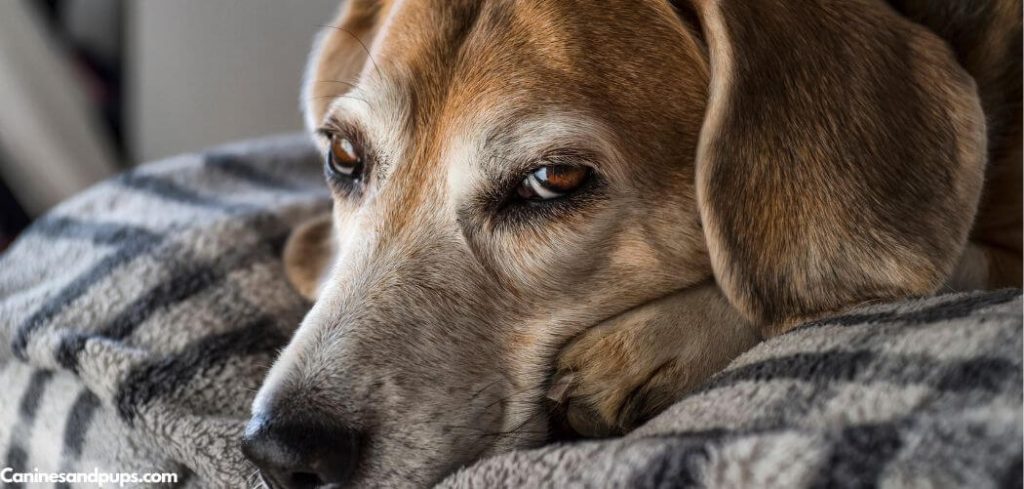
My Senior Dog Cannot Move Without Panting: Symptoms
If your senior dog cannot move without panting, common symptoms may include:
Heavy panting after movement
Difficulty standing up
Slower walking
Stiffness
Weakness
Reluctance to climb stairs
Reduced activity
Tiring easily
My Senior Dog Cannot Move Without Panting: Common Causes
Arthritis and Joint Pain
Arthritis is one of the most common reasons senior dogs pant during movement. As dogs age, the protective cartilage inside joints gradually wears down, creating inflammation and discomfort.
Movement that once felt easy can become painful. Standing up from resting, climbing stairs, walking on hard floors, or getting into a favorite sleeping spot may suddenly require more effort than before.
Dogs frequently pant because pain creates physical stress in the body. Owners often notice their dog moving more slowly, hesitating before standing up, or taking shorter walks than usual.
Some dogs also struggle more after resting for long periods because their joints become stiff.
Read more: Old Dog Hip Problems (Causes explained)
Back Pain or Spinal Problems
Senior dogs commonly develop issues affecting the spine and surrounding structures. Changes involving the discs, joints, and nerves around the back can create discomfort that worsens during movement.
Because movement places pressure on these areas, dogs may pant as soon as they begin walking or changing positions. Some dogs move cautiously, appear stiff, or avoid activities they previously enjoyed.
Owners may notice additional changes such as difficulty jumping, dragging feet slightly, reluctance to use stairs, or sensitivity around the back.
Heart Disease
Heart conditions become more common as dogs get older and can reduce the body’s ability to move oxygen efficiently.
When the heart works less effectively, even mild activity may feel exhausting. A senior dog may begin panting after walking short distances because the body is working harder to circulate oxygen.
Early symptoms can sometimes be subtle and easy to miss. Over time, owners may notice reduced exercise tolerance, coughing, fatigue, or increased sleeping.
Related: Old Dog Fluid Around The Heart (Causes and treatment)
Breathing or Lung Problems
Conditions affecting the lungs or airways can make normal activity feel much more difficult.
Older dogs sometimes develop changes that reduce airflow or make breathing less efficient. Even small movements may increase oxygen demands enough to trigger panting.
Dogs with respiratory problems may appear comfortable while resting but begin breathing harder during activity. Some owners also notice coughing, noisy breathing, or slower recovery after exercise.
Excess Body Weight
Extra body weight places additional stress on joints, muscles, and the heart. Carrying excess weight can make movement significantly harder for senior dogs.
Tasks such as standing, walking, and climbing stairs require more effort, causing dogs to pant sooner than expected. Weight-related strain can also worsen arthritis and other age-related conditions.
Some owners notice a gradual decline because the changes happen slowly over time.
Underlying Medical Conditions
Certain medical problems can contribute to increased panting during movement in senior dogs.
Hormonal disorders, chronic illnesses, neurological conditions, and metabolic problems can all affect energy levels and physical comfort.
Some dogs may initially show only vague symptoms that seem like normal aging. However, over time owners may notice increased thirst, appetite changes, weakness, confusion, or reduced interest in activities.
Because many medical conditions develop gradually, panting during movement may become noticeable before other symptoms appear.
My Senior Dog Cannot Move Without Panting: What to Do
Reduce strenuous activities and avoid encouraging running, jumping, or excessive exercise until you better understand what may be happening.
Pay attention to when the panting starts. Notice whether it happens immediately after standing up, during walking, climbing stairs, or after only minor movement.
Provide comfortable bedding and make movement easier when possible. Rugs on slippery floors, ramps, and easily accessible resting areas may reduce strain.
Monitor your dog’s appetite, drinking habits, energy level, and behavior because additional symptoms can provide helpful clues.
When to Call or Visit Your Vet
Contact your veterinarian if your senior dog pants during most movements or if the problem seems to be getting worse.
Schedule an appointment if you notice stiffness, coughing, weakness, limping, weight changes, or reduced activity.
Seek immediate veterinary attention if your dog develops:
Difficulty breathing
Blue or pale gums
Collapse
Severe weakness
Sudden inability to stand
Extreme distress
My Senior Dog Cannot Move Without Panting: Treatment
Your veterinarian may perform a physical examination and evaluate joints, the heart, lungs, and overall health. Bloodwork, X-rays, or additional testing may be recommended depending on the suspected cause.
Treatment depends on the underlying issue and may include pain management, joint support, weight management, medications, treatment for heart or respiratory problems, or management of chronic conditions.
Key Takeaway
A senior dog that cannot move without panting should not automatically be dismissed as simply “getting old.” While aging changes can contribute, persistent panting during movement may signal arthritis, pain, heart disease, breathing problems, or other health concerns.
Pay attention to changes in mobility and breathing patterns. If the panting becomes frequent or severe, early veterinary evaluation can help identify the cause and improve your dog’s comfort and quality of life.


