
Seeing mucus in a dog’s poop after deworming can be alarming for any pet owner. While deworming medications are important for protecting dogs from harmful parasites, they can sometimes lead to changes in bowel movements, including the presence of mucus.
This symptom may be temporary and harmless, but in some cases, it could indicate a complication or underlying condition. We outline the possible causes of mucus in a dog’s poop after deworming.
Table of Contents
Mucus in Dog Poop After Deworming: Why It Happens
Mucus in stool after deworming often results from the body’s response to medication and parasite expulsion. When parasites die off, the intestines may become irritated, leading to excess mucus production. In some cases, worms themselves may be seen in the stool, which can also be coated with mucus.
Other times, gastrointestinal upset, infections, or pre-existing digestive conditions may contribute.
While mild mucus after treatment may not be a cause for concern, persistent or worsening symptoms can signal a more serious issue.
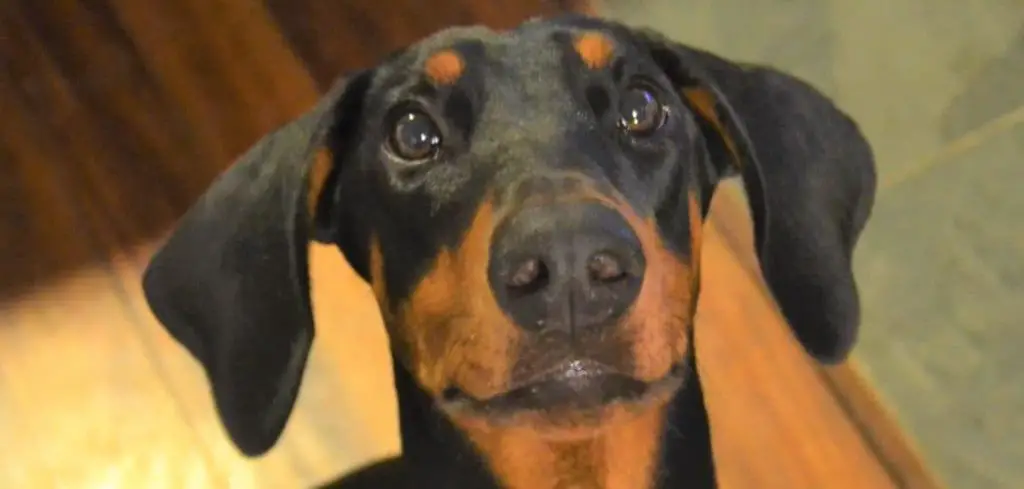
What Should Dog Poop Look Like After Deworming?
After deworming, a dog’s poop may look different as the body removes parasites and adjusts to the medication.
You may notice worms or worm fragments in the stool, softer poop, diarrhea, mucus, or temporary changes in color and consistency.
Some dogs have completely normal stools after treatment, while others experience mild digestive upset for a short period.
Mucus in Dog Poop After Deworming: Common Causes
Medication Reaction
Deworming medications can irritate the lining of the gastrointestinal tract as they work to kill and expel parasites.
This irritation may cause the intestines to produce mucus, which acts as a protective layer.
Dogs may also experience softer stools, mild diarrhea, or temporary discomfort. These reactions are often short-lived but should be monitored closely.
Read more: Mucus in Dog Poop After Surgery (Here’s what may be happening)
Parasite Expulsion
When worms are being eliminated from the body, it’s not unusual for mucus to appear in the stool.
This is part of the body’s natural process of flushing out dead or dying parasites. Owners may see worms coated in mucus, which can be unsettling but usually indicates the medication is doing its job.
However, large amounts of worms or ongoing mucus production could suggest a heavy infestation requiring follow-up treatment.
Gastrointestinal Inflammation
Some dogs have sensitive digestive systems that become inflamed when exposed to medications.
Inflammation of the intestines, known as colitis, can trigger mucus production along with diarrhea and abdominal discomfort.
In these cases, the mucus may persist longer than expected, and supportive care may be needed to help the gut recover.
Secondary Infections
Occasionally, deworming can disrupt the balance of gut bacteria, making dogs more vulnerable to secondary infections.
Bacterial or protozoal infections can cause mucus, loose stools, and sometimes blood in the feces. If symptoms continue or worsen after deworming, infection may be a factor.
Pre-existing Digestive Disorders
Dogs with conditions such as inflammatory bowel disease (IBD), food intolerances, or other chronic gastrointestinal problems may show mucus in their stool more readily after deworming.
The stress of medication and parasite removal can exacerbate these underlying issues. Identifying these conditions often requires veterinary testing and tailored treatment plans.
Incorrect Deworming Dosage or Product
If a deworming medication is not the right type or dose for a dog’s specific needs, it may not fully clear parasites and could cause unnecessary irritation.
In some cases, inappropriate or incomplete treatments may lead to ongoing mucus production, continued parasite presence, and additional digestive issues.
Concerns Related to Mucus in Poop after Deworming
Yellow Mucus in Dog Poop After Deworming
Yellow mucus in dog poop after deworming may occur because the medication can temporarily irritate the digestive tract or because the intestines are recovering from a parasite infection.
Mucus is produced by the colon when it becomes inflamed or irritated. A small amount of yellow mucus may resolve within a few days, but persistent mucus, diarrhea, vomiting, loss of appetite, or lethargy may indicate ongoing intestinal inflammation or another problem requiring veterinary attention.
White Mucus in Dog Poop After Deworming
White mucus in dog poop after deworming often indicates irritation or inflammation in the colon as the digestive system responds to treatment.
It may also occur as the intestines clear parasites and restore normal function. Small amounts of mucus can be temporary, but thick, frequent, or jelly-like mucus may suggest colitis, ongoing parasite infection, food sensitivity, or another gastrointestinal issue.
If the stool does not return to normal after treatment, a veterinarian should evaluate your dog.
Brown Mucus in Dog Poop After Deworming
Brown mucus in dog poop after deworming may simply be mucus mixed with normal stool and is often related to mild colon irritation.
It can occur while the digestive system recovers after parasites are eliminated.
If your dog is otherwise active, eating normally, and the mucus decreases over a few days, it may not be concerning.
However, continued mucus, worsening diarrhea, straining to poop, or changes in appetite should be discussed with a veterinarian.
Green Mucus in Dog Poop After Deworming
Green mucus in dog poop after deworming may occur due to changes in digestion, faster movement of food through the intestines, diet changes, or intestinal irritation.
It can also be linked to eating grass or changes in gut bacteria after treatment.
Occasional green mucus may resolve on its own, but persistent green diarrhea or mucus accompanied by vomiting, fever, weakness, or dehydration requires veterinary evaluation to rule out infection or other digestive problems.
Mucus in Puppy Poop After Deworming
Mucus in puppy poop after deworming is relatively common because puppies often have sensitive digestive systems and may experience temporary intestinal irritation from both parasites and the medication.
Puppies may pass softer stools, mucus, or even visible worms after treatment. However, puppies can become dehydrated quickly, so ongoing diarrhea should be monitored carefully.
If a puppy has persistent mucus, vomiting, bloody stool, low energy, or refuses food, veterinary care is necessary.
Mucus and Blood in Puppy Stool After Deworming
Mucus and blood in a puppy’s stool after deworming may occur from irritation of the intestinal lining, especially if parasites caused inflammation before treatment.
Small streaks of bright red blood can sometimes appear with colon irritation, but blood should always be monitored closely in puppies.
Other possible causes include infections, parasites that require additional treatment, dietary problems, or serious illnesses such as parvovirus.
A puppy with bloody mucus stool, weakness, vomiting, or loss of appetite should be examined by a veterinarian immediately.
How Long Does It Take for a Dog to Pass Parasites After Deworming?
Most dogs begin passing dead or weakened parasites in their stool within a few hours to several days after deworming, depending on the type of parasite and medication used.
Some worms may be visible in poop, while others are broken down and not noticeable.
Certain parasites may require multiple treatments because eggs or larvae can survive the first dose. Follow your veterinarian’s deworming schedule to ensure the infection is fully treated.
Mucus in Dog Poop After Deworming: What to Do
If the mucus appears shortly after treatment and your dog otherwise seems healthy, it may simply be a temporary reaction.
Providing plenty of fresh water and sticking to a bland, easily digestible diet for a few days may help the intestines settle.
Some dogs benefit from probiotics after deworming, which can restore healthy gut bacteria.
Always choose a dog-safe probiotic and consult your veterinarian before use. Avoid giving your dog human medications or unapproved supplements, as these may cause harm.
Monitoring your dog closely is key. If the mucus diminishes within a few days and normal stools return, it’s likely nothing to worry about.
However, if the mucus worsens, is accompanied by blood, or persists longer than a week, a veterinary visit is advised.
When to Call or Visit Your Vet
If your dog shows ongoing or severe symptoms after deworming, veterinary evaluation is essential.
If mucus persists beyond a few days after deworming veterinary evaluation is important.
Call your vet if your dog has persistent diarrhea, repeated vomiting, or mucus mixed with blood. Lethargy, loss of appetite, dehydration, or visible worms after treatment are also red flags.
In puppies, senior dogs, or those with weakened immune systems, mucus in stool can escalate more quickly into serious health issues.
These pets should be assessed immediately if symptoms arise. Your vet may recommend stool testing, additional treatments, or supportive care to restore digestive balance.
Read more: Mucus Dog Poop Like Jelly with Blood (When to worry)
Mucus in Dog Poop After Deworming: Treatment
Veterinary treatment for mucus in dog poop after deworming depends on how severe the symptoms are and whether another condition is present.
A veterinarian may recommend stool testing to confirm whether parasites remain or to check for other infections.
Treatment may include probiotics, a gastrointestinal diet, medications to reduce intestinal inflammation, additional parasite treatment, or supportive care such as fluids if dehydration is present.
How Long After Deworming Will My Dog Feel Better?
Many dogs begin feeling better within a few days after deworming as the parasite burden decreases and the digestive system starts recovering.
Improvement may include better appetite, increased energy, firmer stools, and reduced symptoms such as bloating or discomfort.
The recovery time depends on the type and severity of the parasite infection, the dog’s age, and overall health.
Some dogs may need repeated treatments before they fully recover, especially with parasites that have complex life cycles.
Key Takeaway
Mucus in dog poop after deworming can be unsettling but is often a normal part of the body clearing parasites and adjusting to medication. In many cases, it resolves on its own with supportive care.
Still, it’s important to watch for concerning signs like blood, persistent diarrhea, or lethargy, which may indicate complications.
Trust your instincts as a pet owner. If something feels wrong or symptoms don’t improve, reaching out to your veterinarian ensures your dog gets the care they need. Early attention helps keep your dog comfortable, healthy, and parasite-free.