
When your French Bulldog has suddenly started limping on a back leg, you may notice them holding the leg up, taking shorter steps, walking unevenly, or putting less weight on one side.
Some Frenchies limp only occasionally, while others struggle to stand, walk, or climb onto furniture.
The breed’s short legs, stocky build, and unique body shape put particular stress on the hips, knees, and spine, so a hind-leg limp in a Frenchie is worth understanding rather than brushing off.
Table of Contents
Frenchie Limping on a Back Leg: Why It Happens
A French Bulldog may limp on a back leg when an injury, joint disorder, or spinal condition interferes with normal movement or causes pain.
Common possibilities include a luxating patella (kneecap that moves out of position), a cranial cruciate ligament injury, hip dysplasia, and muscle or ligament strain.
Frenchies can also develop intervertebral disc disease (IVDD), which may affect the nerves controlling the back legs and cause weakness, poor coordination, or difficulty walking.
The way your dog walks may provide useful clues. A Frenchie that occasionally skips a step and then resumes walking normally may have kneecap instability, while a dog that suddenly becomes weak, wobbly, or unable to coordinate the back legs needs urgent assessment for a possible spinal problem.
The location of the discomfort also matters. A problem involving the knee, hip, paw, or spine can produce similar-looking limping, so a veterinary examination is needed to identify the actual cause.
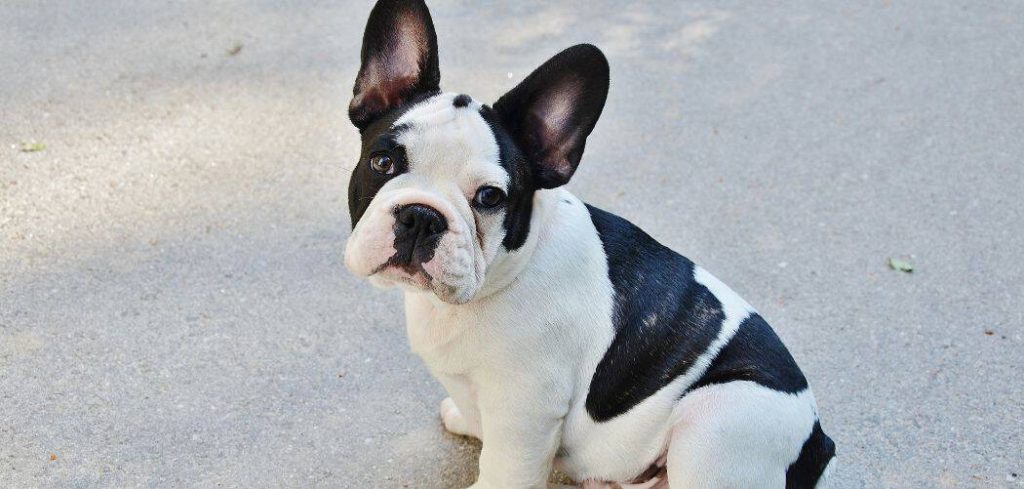
French Bulldog Back Leg Problems
French Bulldogs may develop back leg problems due to joint disorders, spinal conditions, injuries, or age-related changes.
Common causes include:
- Patellar luxation, where the kneecap slips out of its normal position.
- Hip dysplasia, which affects the hip joint.
- Intervertebral disc disease (IVDD), where damaged spinal discs press on the spinal cord and nerves.
Affected Frenchies may limp, skip while walking, struggle to stand, show stiffness, drag their back feet, or have difficulty jumping and climbing stairs.
IVDD is particularly concerning because it can cause sudden hind-leg weakness, loss of coordination, or paralysis.
Frenchie Limping on a Back Leg: Causes
1. Luxating Patella (Dislocated Kneecap)
A luxating patella occurs when the kneecap moves out of its normal position in the groove at the end of the thigh bone.
It is an important possibility in French Bulldogs. Patellar luxation is the most frequently reported musculoskeletal condition among affected dogs.
A Frenchie with this condition may suddenly lift one back leg for a few steps, skip while walking, or briefly hold the leg up before using it normally again.
The limp may come and go, particularly in milder cases. As the condition becomes more severe, limping may become more frequent or persistent.
Read more: Frenchie With Diarrhea: When Is It Time To Panic?
2. Cranial Cruciate Ligament Injury
The cranial cruciate ligament helps stabilize the knee joint. When it becomes damaged or tears, the knee can become painful and unstable.
This may happen after a sudden twist, awkward landing, or other injury. In some dogs, the ligament weakens gradually before a more noticeable injury occurs.
A Frenchie may suddenly start limping, avoid putting weight on the affected leg, or struggle to get up after resting.
Some dogs also develop swelling around the knee and become reluctant to jump, run, or climb stairs.
3. Intervertebral Disc Disease (IVDD)
IVDD occurs when a disc between the vertebrae becomes damaged and affects the spinal cord or nearby nerves.
French Bulldogs are among the breeds predisposed to spinal disc problems. Depending on the location and severity, IVDD can cause back pain, hind-leg weakness, or difficulty coordinating movement.
Early signs may include reluctance to jump, stiffness, trembling, a hunched back, or difficulty getting comfortable.
As the condition progresses, a dog may develop a wobbly walk, drag one or both back legs, or struggle to stand.
Sudden weakness, dragging of the back legs, or loss of bladder or bowel control requires emergency veterinary attention.
Read more: Frenchie Throwing Up White Foam: Causes and What To Do
4. Hip Dysplasia
Hip dysplasia occurs when the hip joint develops abnormally, resulting in poor fit between the ball and socket.
This can cause joint instability, inflammation, and eventually arthritis.
A Frenchie with hip dysplasia may limp on one or both back legs, struggle to rise, hesitate before climbing stairs, or become less interested in exercise.
Some dogs develop a swaying walk or move both back legs together when running.
Although hip dysplasia can contribute to hind-leg discomfort, other conditions, particularly knee problems, should also be considered.
5. Muscle Strain or Sprain
A muscle strain or sprain can occur when your Frenchie overexerts themselves, twists awkwardly, or lands badly after jumping.
This may cause sudden limping, tenderness, stiffness, or reluctance to use the affected leg.
The limp may be more noticeable after activity or when your dog first gets up after resting.
However, a sudden limp should not automatically be attributed to a muscle strain because ligament injuries, fractures, and joint problems can produce similar signs.
6. Paw or Nail Injury
Sometimes the problem is not in the knee or hip but in the paw itself.
A torn nail, cut paw pad, small object lodged between the toes, or irritated skin can make a Frenchie avoid putting weight on the affected leg.
Frequent licking, swelling, bleeding, or sensitivity when the paw touches the ground may be noticed.
A careful visual check may reveal an obvious problem, but avoid pulling at embedded objects or manipulating a painful paw.
7. Arthritis
Arthritis causes inflammation and gradual deterioration of the joints, leading to stiffness and discomfort.
It may affect the hips, knees, or other joints in the back legs.
A Frenchie with arthritis may limp after sleeping, walk stiffly when first getting up, or become less active than usual.
The discomfort may improve somewhat as the dog moves around, although it can become more persistent as the condition progresses.
8. Fracture or Other Traumatic Injury
A fall, collision, awkward landing, or other accident can cause a fracture or significant injury to the bones and surrounding tissues.
A Frenchie may suddenly refuse to use the back leg, cry out when moving, or develop swelling around the injured area.
Some fractures are not immediately obvious, particularly when there is no visible deformity.
If your dog has a sudden severe limp following an accident, seek prompt veterinary care. Avoid trying to straighten or manipulate the leg.
Frenchie Limping on a Back Leg but Still Walking
A Frenchie that is still walking despite limping may have a mild or developing orthopedic problem, but being able to walk does not rule out a significant injury.
For example, dogs with a luxating patella may occasionally lift a back leg and then resume walking normally. A dog with an early ligament injury may also continue using the leg while avoiding certain movements.
Watch for changes such as increasing limping, reluctance to jump, difficulty rising, or unusual stiffness.
If the limp is new, arrange a veterinary examination rather than waiting for it to become severe.
Frenchie Limping on a Back Leg Suddenly
Sudden limping can occur after an awkward landing, a twist, a knee injury, or an existing joint problem becoming painful.
However, French Bulldogs also have a predisposition to spinal disc disease. If the sudden limp is accompanied by wobbliness, weakness, dragging paws, back pain, or difficulty standing, IVDD needs to be considered urgently.
A sudden inability to walk normally should not be treated as an ordinary leg injury.
Frenchie Limping on One Back Leg No Pain
A Frenchie limping on one back leg without showing obvious pain may have patellar luxation, a condition in which the kneecap moves out of its normal position and sometimes slips back into place.
This can cause the dog to suddenly lift one hind leg, skip for a few steps, and then resume walking normally.
Other possible causes include mild muscle strains, ligament injuries, early joint disease, or neurological problems affecting leg movement.
However, the absence of crying or other visible signs of pain does not mean the condition is harmless.
A veterinary examination is needed if the limp persists or keeps returning. Sudden weakness, dragging of the leg, difficulty standing, or loss of bladder control requires emergency veterinary attention because of the risk of spinal cord involvement.
Frenchie Limping on a Back Leg: What to Do
1. Restrict Activity
Keep your Frenchie rested until a veterinarian has assessed the problem.
Avoid running, playing, jumping onto furniture, and climbing stairs. Take your dog outside only for necessary toilet breaks, with assistance if needed.
2. Avoid Manipulating the Leg
Do not pull, stretch, massage, or attempt to reposition the affected leg or kneecap.
If the problem involves a fracture, ligament injury, or spinal condition, unnecessary movement may worsen the discomfort.
3. Help Your Dog Move Safely
Keep your Frenchie away from slippery floors and obstacles.
If your dog needs assistance moving, handle them gently and support their body without twisting the back. If spinal injury is suspected, minimize movement and seek emergency veterinary guidance.
4. Observe How Your Frenchie Walks
Notice whether your dog:
Holds one back leg off the ground.
Occasionally skips while walking.
Places the paw down but avoids putting weight on it.
Wobbles or crosses the back legs.
Drags the toes or paws.
Struggles to stand after resting.
A short video of the natural walking pattern, if your dog can walk comfortably, may help your veterinarian assess the problem. Do not make your dog walk to obtain a recording.
5. Do Not Give Human Pain Medication
Avoid giving human painkillers or using leftover medication without veterinary instructions.
Some medications intended for people can be dangerous to dogs. Your veterinarian can recommend appropriate pain relief after assessing the cause of the limp.
6. Arrange a Veterinary Examination
A new back-leg limp in a French Bulldog deserves veterinary assessment, particularly if it appears suddenly or does not improve.
An examination can help determine whether the problem involves the paw, knee, hip, muscles, or spine.
When to Call or Visit Your Vet
Arrange a veterinary appointment immediately if your Frenchie develops a new limp, even if they are still able to walk.
Seek emergency veterinary attention if you notice:
Sudden inability to stand or walk.
Dragging one or both back legs.
Wobbling, stumbling, or loss of coordination.
Severe back or neck pain.
Crying out when moving or being handled.
Loss of bladder or bowel control.
Rapidly worsening weakness.
A serious injury or suspected fracture.
These signs may indicate a serious orthopedic or neurological condition. In particular, sudden hind-leg weakness in a French Bulldog should raise concern about IVDD.
Frenchie Limping on a Back Leg: Treatment
Treatment depends on the underlying diagnosis. Your veterinarian will perform an orthopedic and neurological examination to assess the paw, knee, hip, and spinal function.
X-rays may be recommended to investigate fractures, joint abnormalities, or hip problems, while suspected IVDD may require advanced imaging such as MRI or CT.
Treatment may involve prescribed pain relief, anti-inflammatory medication when appropriate, restricted activity, and rehabilitation.
Some conditions, including significant cruciate ligament injuries, severe patellar luxation, and spinal disc disease, may require surgery.
Key Takeaway
A Frenchie limping on a back leg may have a luxating patella, cruciate ligament injury, hip dysplasia, muscle strain, paw injury, or spinal condition.
Although some causes are relatively manageable, French Bulldogs are particularly important to assess for IVDD because spinal problems can cause hind-leg weakness and difficulty walking.
Do not assume that your dog has simply pulled a muscle, especially if the limp appeared suddenly.
Restrict activity and arrange a veterinary examination. If your Frenchie becomes wobbly, drags a leg, or cannot stand, seek emergency veterinary care.


