
When your dog suddenly has a lot of eye boogers, you may notice thick discharge collecting in the corners of the eyes, crusts sticking to the eyelids, or mucus building up throughout the day. The discharge may be clear, white, yellow, green, or brown, depending on what is causing it.
A small amount of eye discharge is normal, particularly after sleeping. However, a sudden increase in eye boogers can indicate irritation, allergies, an eye infection, dry eye, or an injury affecting the surface of the eye.
Eye problems can worsen quickly, especially when an ulcer or injury is involved.
Table of Contents
Dog Suddenly Has a Lot of Eye Boogers: Why It Happens
A dog may suddenly develop excessive eye boogers when the eyes produce more tears or mucus in response to irritation, inflammation, infection, or reduced tear production.
Dust, pollen, foreign material, allergies, conjunctivitis, dry eye, and corneal injuries can all cause abnormal eye discharge.
In some cases, problems with the tear ducts or eyelids prevent tears from draining normally, allowing discharge to accumulate around the eyes.
The appearance and consistency of the discharge can provide useful clues. Small amounts of clear or light-brown crusts after sleeping are often normal, but thick white, yellow, or green mucus, particularly when accompanied by redness or discomfort, deserves attention.
It is also important to notice whether one eye or both eyes are affected. Discharge from one eye may occur with a foreign object, injury, or localized inflammation, while discharge from both eyes can be associated with allergies, environmental irritants, or infections.
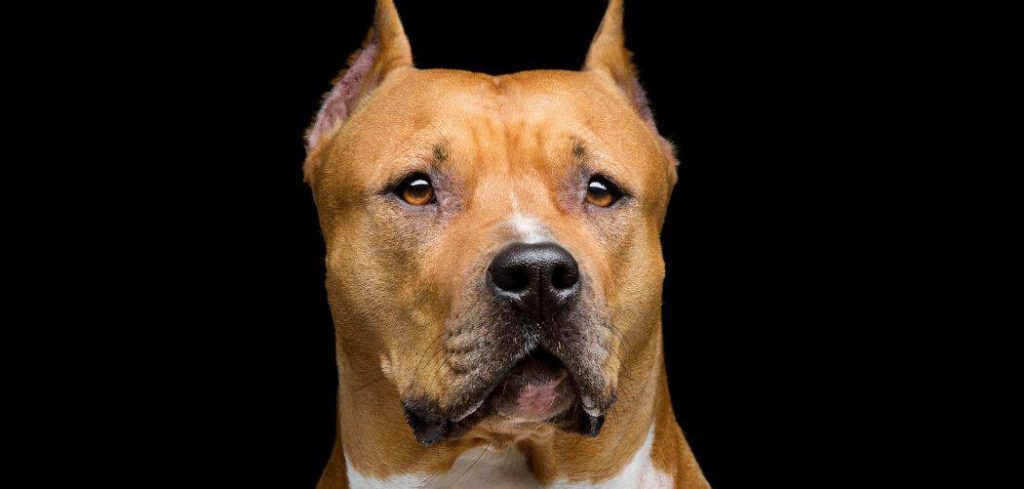
Normal Dog Eye Discharge
A small amount of eye discharge is normal in dogs and helps remove dust, debris, and dead cells from the surface of the eyes.
Normal discharge is usually clear, slightly whitish, or light brown and may dry into small crusts at the corners of the eyes.
It should be easy to wipe away, and the dog’s eyes should remain bright, clear, and free from redness or discomfort.
Excessive discharge, thick mucus, or yellow or green secretions may indicate an underlying eye problem.
Dog Suddenly Having a Lot of Eye Boogers: Causes
1. Conjunctivitis (Eye Inflammation or Infection)
Conjunctivitis occurs when the conjunctiva, the thin tissue lining the eyelids and covering part of the eye, becomes inflamed.
It can develop because of bacterial or viral infections, allergies, environmental irritants, or foreign material entering the eye.
A dog with conjunctivitis may develop excessive eye boogers, watery eyes, redness, swollen eyelids, and frequent blinking.
The discharge may be clear and watery or thick and mucus-like. Some dogs also rub their faces against furniture because of irritation.
The underlying cause needs to be identified because conjunctivitis does not always result from a bacterial infection.
Related: Dog Mucus Eye Discharge (What It Means)
2. Allergies
Allergies can cause the eyes to produce excessive tears and become irritated.
Environmental allergens such as pollen, dust mites, mold, and grasses may trigger an allergic reaction that affects the eyes.
Watery discharge that dries into crusty eye boogers, particularly around the inner corners, may be noticed.
Other symptoms may include sneezing, itchy skin, paw licking, ear irritation, and frequent face rubbing.
Allergies can affect both eyes, although the symptoms may not always be equally noticeable.
Related: Dog Eye Discharge and Not Eating and Lethargic: What’s Going On?
3. Something Stuck in the Eye
Dust, grass seeds, small plant particles, and other foreign material can become trapped around the eyelids or on the surface of the eye.
The irritation may cause the eye to produce additional tears and mucus in an attempt to remove the material.
A dog may suddenly develop discharge from one eye, blink repeatedly, squint, or rub their face.
Sometimes the foreign material causes a scratch on the cornea, the clear outer surface of the eye.
Because an eye injury can be painful and may worsen without treatment, a dog with sudden one-sided discharge and persistent irritation should be examined immediately.
4. Dry Eye
Dry eye develops when the tear glands do not produce enough tears to keep the eye properly lubricated.
Although it may seem unusual, dogs with dry eye can develop excessive, thick eye mucus because the eye tries to compensate for inadequate tear production.
What may be noticed includes white, grayish, or sticky discharge that repeatedly collects around the eyelids.
The eyes may also appear red, irritated, or uncomfortable, and some dogs develop corneal damage if the condition is left untreated.
A veterinarian can perform a Schirmer tear test to measure tear production and determine whether dry eye is responsible.
Related: Dog Eye Discharge and Runny Nose (What it means)
5. Corneal Ulcer or Eye Injury
A corneal ulcer is an injury or open defect affecting the surface of the eye.
It can develop after a scratch, trauma, contact with plant material, or irritation from eyelashes or eyelids rubbing against the cornea.
A dog with a corneal ulcer may suddenly develop excessive tearing, mucus, redness, and eye discharge.
Squinting, frequent blinking, sensitivity to light, or an inability to keep the affected eye open may be noticed.
Corneal ulcers can be painful and may threaten vision if they become severe. A veterinary examination is important, particularly when discharge occurs alongside obvious discomfort.
Related: Dog Eye Not Opening Fully (Here’s Why)
6. Blocked Tear Ducts
Tears normally drain through small openings near the inner corners of the eyes into the nasolacrimal ducts.
When these ducts become blocked or do not drain properly, tears can overflow and collect around the eyes.
You may notice constantly wet fur beneath the eyes, crusty discharge, and reddish-brown tear staining.
Some dogs develop irritation or skin inflammation around the areas that remain wet.
Certain facial structures and excessive hair around the eyes can also interfere with normal tear drainage.
7. Abnormal Eyelashes or Eyelid Problems
Some dogs have eyelashes that grow in abnormal directions or eyelids that turn inward, causing hair to rub against the surface of the eye.
This repeated irritation can increase tear production and lead to excessive eye discharge.
Watery eyes, frequent blinking, redness, and recurring crusts around the eyelids may be noticed.
Conditions such as entropion, where the eyelid rolls inward, can cause significant irritation and may damage the cornea if not corrected.
A veterinary eye examination can identify abnormal eyelid positioning or eyelash growth.
8. Environmental Irritants
Smoke, dust, strong fragrances, cleaning products, wind, and airborne particles can irritate a dog’s eyes.
In response, the eyes may produce additional tears to help flush away the irritants.
This can result in watery discharge that dries into crusty material around the corners of the eyes.
If the irritation is mild, the discharge may improve after the dog is away from the triggering environment.
However, persistent or excessive discharge should not automatically be attributed to environmental irritation.
9. Breed-Related Eye Problems
Some breeds naturally experience more eye discharge because of their facial structure.
Flat-faced breeds such as Pugs, Bulldogs, and Pekingese may have difficulty draining tears normally. Prominent eyes and facial folds can also make them more vulnerable to irritation.
Long facial hair may brush against the eyes, while certain breeds are predisposed to eyelid or eyelash abnormalities.
Even if your dog normally has some eye discharge, a sudden increase should be investigated rather than assumed to be a normal breed characteristic.
Why Does My Dog Have Eye Boogers Every Morning?
A dog may have eye boogers every morning because tears, mucus, oils, and tiny particles accumulate in the corners of the eyes during sleep.
Since the dog is not blinking as frequently, these materials collect and dry into small crusts that become noticeable after waking up.
This is generally normal if the discharge is small in amount, easy to remove, and does not cause redness, swelling, or irritation.
However, an increase in discharge or persistent crusting may be associated with allergies, blocked tear ducts, dry eye, or an eye infection.
Dog Suddenly Has Green Eye Boogers
A dog that suddenly develops green eye boogers may have an eye infection or inflammation involving the conjunctiva, cornea, or other eye structures.
Green discharge can contain mucus, inflammatory cells, and pus, particularly when a bacterial infection is present.
Other possible causes include dry eye, a corneal injury, or a foreign object irritating the eye. If the discharge appears suddenly, especially with redness, swelling, squinting, or pawing at the eye, the dog should be examined by a veterinarian immediately.
Yellow Green Dog Eye Discharge
Yellow or green eye discharge in dogs is often associated with an eye infection or significant inflammation. It may appear thick, sticky, or pus-like and collect around the eyelids or corners of the eyes.
Possible causes include bacterial conjunctivitis, dry eye (keratoconjunctivitis sicca), corneal ulcers, and infected eye injuries.
The discharge may also be accompanied by redness, excessive blinking, swelling, or discomfort. A veterinary examination is needed because untreated eye conditions can damage the cornea and potentially affect vision.
Thick White Eye Discharge
A dog with thick white eye discharge may have dry eye, a condition in which the tear glands do not produce enough tears to keep the eye properly lubricated. In response to dryness and irritation, the eye produces thick, sticky mucus that can accumulate around the eyelids and corners.
Other possible causes include allergies, conjunctivitis, irritation from foreign material, and inflammation of the eye’s surface.
Persistent white discharge, particularly when accompanied by redness, squinting, or frequent blinking, requires veterinary examination.
Dry eye is important to diagnose early because it can cause corneal ulcers and permanent damage if left untreated.
Dog Suddenly Has a Lot of Eye Boogers: What to Do
1. Gently Clean the Eye Area
Use a clean, soft cloth dampened with lukewarm water to gently remove discharge from the fur around your dog’s eyes.
Wipe carefully without pressing on the eyeball or rubbing the eyelids.
Use a separate clean section of the cloth for each eye to avoid transferring discharge between them.
2. Check the Color and Consistency of the Discharge
Pay attention to whether the eye boogers are clear, white, gray, yellow, green, or brown.
Small amounts of light-colored crust after sleeping may be normal, but thick or pus-like discharge can indicate an underlying problem.
Also observe whether the discharge returns quickly after cleaning.
3. Reduce Exposure to Irritants
Keep your dog away from smoke, dust, strong fragrances, and household cleaning fumes.
If the discharge started after exposure to a dusty environment or other irritant, reducing exposure may help.
However, do not assume that irritation is the cause if the symptoms persist.
4. Avoid Using Human Eye Drops
Do not use leftover prescription eye medication, human eye drops, or antibiotic ointments without veterinary advice.
Some eye medications, particularly those containing corticosteroids, can make certain eye injuries worse.
The appropriate treatment depends on what is causing the discharge.
5. Arrange a Veterinary Examination
Because your dog has suddenly developed much more eye discharge than usual, contact your veterinarian for advice and an examination.
This is particularly important if the discharge is thick, keeps returning, or affects only one eye.
A veterinarian can check for infections, dry eye, corneal injuries, foreign material, and eyelid abnormalities.
When to Call or Visit Your Vet
Contact your veterinarian immediately if your dog suddenly develops excessive eye discharge, particularly if it is thick, sticky, or repeatedly returns.
Seek urgent veterinary attention if you notice:
Yellow or green discharge.
Redness or swelling around the eyes.
Squinting or keeping one eye closed.
Frequent blinking or pawing at the face.
Cloudiness or a blue appearance on the surface of the eye.
Obvious pain or sensitivity to light.
Sudden changes in vision.
Eye discharge following an injury or suspected foreign object.
A painful, cloudy, swollen, or injured eye should be treated as urgent. Do not wait to see whether the discharge clears on its own.
Dog Suddenly Has a Lot of Eye Boogers: Treatment
Veterinary assessment includes examination of a dog’s eyes, which may include the use of fluorescein dye to check for corneal ulcers or scratches, a Schirmer tear test to measure tear production, and other examinations to identify inflammation, infection, or drainage problems.
Treatment may involve prescribed eye drops or ointments, lubricating medication for dry eye, or other medication depending on the diagnosis.
Foreign material may need to be removed, while certain eyelid abnormalities or blocked tear ducts may require additional procedures.
Key Takeaway
A dog suddenly having a lot of eye boogers may be experiencing allergies, conjunctivitis, dry eye, irritation, or an injury affecting the surface of the eye.
A small amount of crust around the eyes after sleeping is usually normal, but a sudden increase in discharge should not be ignored.
Pay attention to the discharge color, whether one or both eyes are affected, and whether your dog is squinting or rubbing their face.
If the discharge is thick, yellow, or green, or the eyes appear red or painful, arrange prompt veterinary care to protect your dog’s eye health.


