
Walking your dog in hot weather can provide important exercise and mental stimulation, but it also carries risks if temperatures are too high.
Dogs cannot cool themselves as efficiently as people and rely mainly on panting to regulate their body temperature.
Hot air, direct sunlight, and heated pavement can quickly lead to overheating, burned paw pads, dehydration, or even life-threatening heatstroke.
Knowing when and how to walk your dog safely is essential during warm weather.
Table of Contents
Effects of Dog Walking in Hot Weather
Dogs walking in hot weather may develop overheating, heat exhaustion, dehydration, burned paw pads, exercise intolerance, or worsening of underlying heart and respiratory conditions.
Walking in hot weather places additional stress on a dog’s cooling system, heart, lungs, and paws.
Some dogs begin panting heavily, slow down, refuse to continue walking, drool excessively, or become weak. Puppies, senior dogs, overweight dogs, and flat-faced breeds are particularly vulnerable to heat-related illness.
Even when the air temperature seems comfortable, pavement and asphalt can become much hotter than the surrounding air, increasing the risk of burns and overheating.
Exercise also generates additional body heat, making it harder for dogs to regulate their temperature during warm conditions.
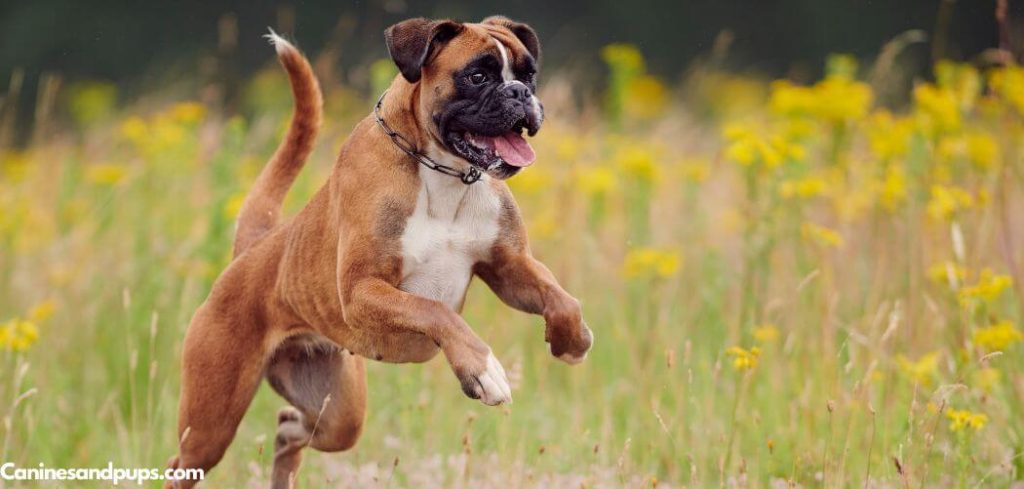
Common Risks of Walking a Dog in Hot Weather
Overheating
Overheating occurs when your dog’s body produces more heat than it can release through panting. Long walks, high humidity, and direct sunlight all increase the risk.
Dogs may begin panting heavily, appear restless, slow down, or repeatedly stop during the walk. If cooling measures are not taken promptly, overheating can progress to heat exhaustion.
Moving your dog into a cool environment and allowing them to rest often prevents further complications.
Read more: Dog Diarrhea in Hot Weather (Why it happens)
Heat Exhaustion
Heat exhaustion develops when normal cooling mechanisms are no longer able to keep body temperature within a safe range.
Affected dogs may pant continuously, drool excessively, become weak, vomit, or develop diarrhea. They may also refuse to continue walking or suddenly lie down.
Immediate veterinary care is required because heat exhaustion can quickly progress to heatstroke.
Heatstroke
Heatstroke is a life-threatening emergency that can occur after walking in excessively hot conditions. Body temperature rises to dangerous levels, causing damage to the brain, heart, kidneys, and other organs.
Dogs may collapse, become confused, develop seizures, or lose consciousness.
Emergency veterinary treatment with controlled cooling, intravenous fluids, oxygen therapy, and intensive monitoring is essential.
Burned Paw Pads
Pavement, asphalt, sand, and artificial turf can become much hotter than the surrounding air, even on moderately warm days.
Dogs with burned paw pads may limp, repeatedly lift their feet, lick their paws, or develop blisters and peeling skin.
Walking during cooler hours and avoiding hot surfaces greatly reduces the risk.
Dehydration
Dogs lose significant amounts of water through panting during exercise. Without frequent opportunities to drink, dehydration can develop rapidly.
Signs include dry gums, increased thirst, weakness, reduced skin elasticity, and continued heavy panting.
Carrying fresh water and offering regular drinking breaks helps prevent dehydration.
Heart Disease
Dogs with underlying heart disease may struggle to tolerate even mild exercise in hot weather because the cardiovascular system must work harder to regulate body temperature.
Affected dogs may pant excessively, cough, tire quickly, or collapse during walks.
Your veterinarian may recommend limiting exercise during warm weather and adjusting medications if necessary.
Respiratory Disease
Dogs with collapsing trachea, chronic bronchitis, laryngeal paralysis, or brachycephalic airway syndrome often find walking in hot weather particularly difficult.
Heavy panting increases airflow demands, making breathing more challenging.
These dogs may cough, wheeze, or make loud breathing noises and often require shorter, cooler walks.
Obesity and Senior Age
Overweight and senior dogs generate more body heat during exercise and cool themselves less efficiently than young, lean dogs.
They often tire more quickly, pant heavily, and are at greater risk of heat exhaustion and heatstroke.
Shorter walks during cooler times of the day are generally safer for these dogs.
Read more: Dog Panting excessively and restless (What it means)
Dog Walking in Hot Weather: Warning Signs
Watch for these signs while walking your dog:
Heavy or excessive panting
Slowing down or refusing to walk
Excessive drooling
Bright red gums
Weakness or wobbliness
Seeking shade frequently
Lifting or licking the paws
Vomiting or diarrhea
What to Do When Walking Your Dog in Hot Weather: Safety Tips
Walk your dog early in the morning or later in the evening when temperatures are lower, and the pavement has cooled.
Before setting out, place the back of your hand on the pavement for several seconds. If it feels too hot for your skin, it is too hot for your dog’s paws.
Carry fresh water and offer regular drinking breaks during the walk. Choose shaded routes whenever possible, avoid strenuous exercise, and shorten walks during periods of extreme heat or humidity. Watch your dog closely for signs of overheating, including excessive panting, slowing down, or refusing to continue walking.
If your dog begins showing signs of heat-related illness, stop exercising immediately, move them into a cool area, and contact your veterinarian.
When to Call or Visit the Vet
Any signs of overheating during or after a walk should be taken seriously.
Schedule an appointment if you notice:
Excessive panting lasting more than 30 to 60 minutes after the walk
Mild limping
Burned or sore paw pads
Reduced appetite
Mild lethargy
Coughing after exercise
Repeated difficulty tolerating warm-weather walks
Increased thirst
Seek emergency veterinary attention immediately if your dog develops:
Suspected heatstroke
Collapse or inability to stand
Difficulty breathing
Continuous excessive panting
Bright red, blue, gray, or pale gums
Vomiting or diarrhea with overheating
Seizures
Loss of consciousness
Recovery and Monitoring
Recovery depends on the severity of the heat exposure. Mild overheating often resolves within a few hours once the dog has cooled down and rehydrated, while heat exhaustion or heatstroke may require several days of hospitalization and ongoing monitoring.
After recovery, monitor your dog’s breathing, appetite, hydration, energy level, and paw pads following walks. Continue exercising only during cooler parts of the day, provide frequent access to fresh water, and adjust the length and intensity of walks based on your dog’s age, breed, and overall health.
Contact your veterinarian if your dog continues panting excessively after walks, develops limping, vomiting, diarrhea, weakness, coughing, or shows any signs of heat intolerance despite preventive measures.
Key Takeaway
Walking your dog in hot weather can be safe when done carefully, but it also increases the risk of overheating, heat exhaustion, heatstroke, burned paw pads, dehydration, and worsening of underlying heart or respiratory disease.
Choosing cooler times of day, avoiding hot pavement, carrying water, and monitoring your dog closely are the best ways to reduce these risks.
If your dog develops excessive panting, collapse, difficulty breathing, seizures, vomiting, burned paw pads, or any signs of heatstroke during or after a walk, seek emergency veterinary care immediately. Prompt treatment can be lifesaving and helps prevent long-term complications.


