
If your dog’s tongue is hanging out the side of their mouth while panting, you may wonder whether it’s a harmless habit or a sign that something is wrong.
In many cases, dogs naturally let their tongue hang out when they are hot, excited, or relaxing.
However, if the behavior is new, persistent, or accompanied by other symptoms, it can sometimes indicate a medical issue that deserves attention.
Table of Contents
Dog Tongue Hanging Out the Side and Panting: Why It Happens
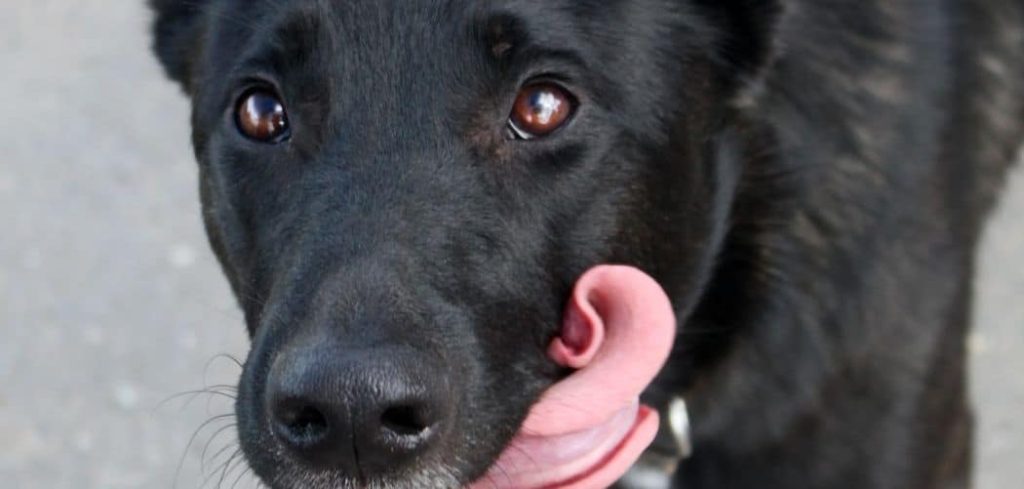
A dog with their tongue hanging out the side while panting may be cooling themselves down, feeling excited, experiencing dental or mouth problems, dealing with breathing difficulties, or responding to an underlying medical condition.
Panting is a normal way for dogs to regulate body temperature, and the tongue plays an important role in releasing heat.
Sometimes the tongue naturally slips to one side during panting, but persistent changes may warrant a closer look.
Dog Tongue Hanging Out the Side and Panting: Symptoms
Common symptoms may include:
Tongue hanging from one side of the mouth
Panting
Open-mouth breathing
Drooling
Increased thirst
Restlessness
Difficulty settling down
Changes in eating or chewing
Dog Tongue Hanging Out the Side and Panting: Common Causes
Normal Cooling Behavior
One of the most common reasons a dog’s tongue hangs out to the side while panting is simply normal temperature regulation.
Dogs do not sweat effectively through their skin like people do. Instead, they rely on panting to release body heat. As air moves across the tongue and mouth, moisture evaporates and helps cool the body.
During heavy panting, the tongue often extends farther out of the mouth and may naturally fall to one side.
This is especially common after exercise, outdoor activity, excitement, or warm weather. Some dogs naturally allow their tongue to hang farther out than others, particularly breeds with shorter muzzles or loose lips.
If your dog returns to normal after resting and cooling down, the behavior is often completely harmless.
Related: Dog constantly sticking tongue in and out (What it means)
Excitement or Emotional Stimulation
Many dogs pant when they become excited, even when they are not physically hot.
Anticipating a walk, greeting family members, playing with favorite toys, or seeing visitors can trigger an adrenaline response. As excitement increases, breathing becomes faster, and the tongue may hang out more noticeably.
Some dogs appear especially dramatic during these moments, with wide-open mouths, exaggerated panting, and tongues hanging to one side.
The panting usually improves once the excitement fades and the dog relaxes.
Related: Dog panting excessively and restless (Here’s why)
Dental Disease or Missing Teeth
Dental problems are a surprisingly common cause of tongue position changes.
Dogs with missing teeth, advanced dental disease, jaw changes, or oral discomfort sometimes have difficulty keeping the tongue properly positioned inside the mouth. As a result, the tongue may consistently hang from one side.
Senior dogs are particularly prone to this issue because dental disease becomes more common with age.
In some cases, owners first notice the tongue hanging out before realizing there is a dental problem.
Additional signs may include bad breath, difficulty chewing, dropping food, drooling, or reluctance to eat hard foods.
Heat Stress or Overheating
When dogs become excessively warm, panting often becomes much more pronounced.
The body attempts to release as much heat as possible, causing the tongue to extend farther out of the mouth.
In moderate-to-severe overheating situations, the tongue may appear unusually long, wide, or positioned to one side.
Dogs may also seem restless, seek cool surfaces, drink excessively, or move slowly. Thick-coated dogs, overweight dogs, senior dogs, and flat-faced breeds are especially vulnerable.
Because overheating can progress into heatstroke, persistent heavy panting should be taken seriously.
Breathing Difficulties
Conditions affecting the airways or lungs can sometimes cause exaggerated panting and abnormal tongue positioning.
When breathing becomes more difficult, dogs may extend the tongue farther out to maximize airflow and cooling. Some dogs naturally allow the tongue to fall to one side while trying to breathe more comfortably.
Owners may also notice noisy breathing, coughing, exercise intolerance, or increased effort during activity.
Respiratory problems can range from mild to serious and should be evaluated if symptoms persist.
Neurological or Facial Nerve Problems
The tongue’s position depends on proper muscle and nerve function.
Conditions affecting the nerves, facial muscles, or brain can sometimes cause weakness that allows the tongue to hang from one side of the mouth. Dogs with neurological problems may also pant because they feel stressed, uncomfortable, or unable to regulate body functions normally.
Additional symptoms may include facial drooping, difficulty eating, unusual eye movements, weakness, loss of balance, or changes in behavior.
Although less common than other causes, neurological issues should be considered when the tongue suddenly begins hanging out on one side.
What to Do at Home
Start by observing when the panting and tongue positioning occur. Notice whether it happens after exercise, during excitement, in warm environments, or throughout the day.
Make sure your dog always has access to fresh water and a cool resting area. If heat may be contributing, move your dog to a shaded or air-conditioned environment.
Check the mouth if your dog allows it. Look for broken teeth, missing teeth, swelling, redness, or anything unusual around the gums and tongue.
Monitor for additional symptoms such as coughing, difficulty eating, excessive drooling, weakness, or behavior changes.
When to Call or Visit the Vet
Contact your veterinarian if the tongue suddenly begins hanging out when it never did before, or if the panting becomes frequent and unexplained.
Schedule an appointment if you notice:
Bad breath
Difficulty chewing
Excessive drooling
Coughing
Reduced appetite
Behavior changes
Seek immediate veterinary attention if your dog develops:
Difficulty breathing
Blue or pale gums
Collapse
Severe weakness
Signs of heatstroke
Sudden facial paralysis
Dog Tongue Hanging Out the Side and Panting: Treatment
Your veterinarian may perform a physical examination and evaluate your dog’s mouth, teeth, breathing, and overall health. Depending on the findings, dental exams, bloodwork, X-rays, or neurological testing may be recommended.
Treatment depends on the underlying cause and may include dental care, management of respiratory disease, treatment of neurological conditions, pain management, or supportive care for overheating.
Recovery and Monitoring
Recovery depends on the cause of the symptoms. Dogs panting because of excitement or warm temperatures often improve quickly once the trigger is removed.
Dogs with dental disease, respiratory conditions, or neurological problems may require ongoing treatment and monitoring. Keep track of changes in panting frequency, appetite, energy level, and tongue position so you can report them to your veterinarian.
Key Takeaway
A dog with their tongue hanging out the side while panting is often simply cooling down or responding to excitement. However, dental disease, overheating, breathing problems, and neurological conditions can also contribute to the behavior.
If the symptom is new, persistent, or accompanied by other changes, veterinary evaluation can help determine the cause and ensure your dog remains comfortable and healthy.


