
When a dog is throwing up bile constantly but still acting normal, it can be confusing to see. Yellow or yellow-green vomit is often bile, a digestive fluid that can appear when the stomach is relatively empty.
A dog may vomit bile after going a long time without eating and then return to normal behavior soon afterward.
However, repeated vomiting is different from an occasional episode of bile vomiting.
A dog that continues throwing up bile, even while eating, drinking, playing, and behaving normally between episodes, may have an underlying gastrointestinal problem or another condition that needs attention.
The fact that a dog acts normal is reassuring, but it does not completely rule out illness. Some dogs continue to behave normally during the early stages of a problem.
The frequency of vomiting, how long it has been happening, whether your dog can keep food and water down, and whether other symptoms develop are all important when determining how concerning the situation may be.
Table of Contents
Dog Throwing Up Bile Constantly but Acting Normal: Here's Why
Bile is produced by the liver and stored in the gallbladder before being released into the small intestine to help digest fats. When a dog vomits on an empty stomach, there may be little food present, so the material brought up can consist largely of stomach fluid mixed with bile.
This is one reason a dog may vomit yellow liquid early in the morning or after going several hours without eating. In some dogs, occasional bile vomiting can occur without a serious underlying disease.
Constant or frequent vomiting, however, deserves more attention. Repeated vomiting can irritate the stomach and may itself lead to additional vomiting.
It can also occur when something is interfering with normal digestion, causing inflammation in the stomach or intestines, or affecting another organ involved in digestion.
A dog may still appear comfortable between episodes, particularly when the problem is mild or has only recently started. Therefore, acting normal does not necessarily mean repeated bile vomiting is harmless.
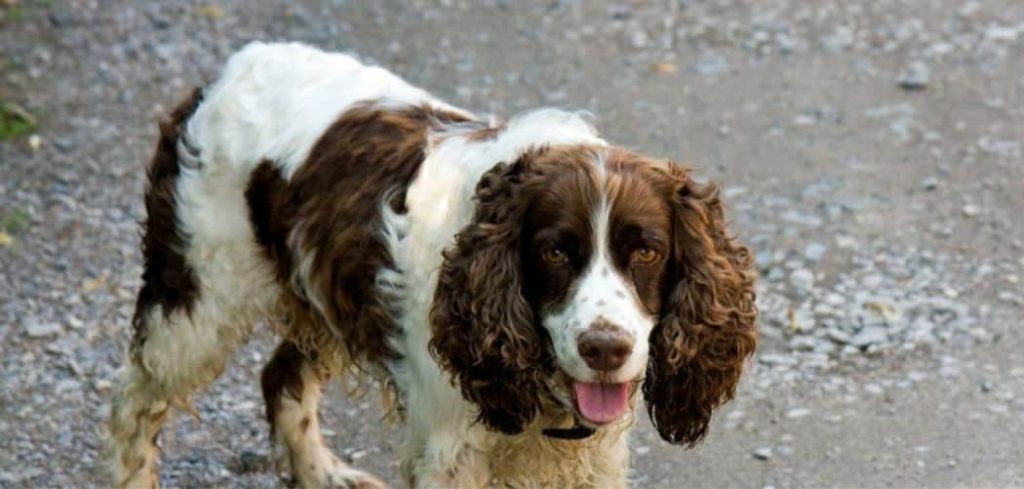
Dog Throwing Up Bile Constantly: Common Causes
Vomiting on an Empty Stomach
One relatively common explanation is that the dog is vomiting bile because the stomach has remained empty for too long.
This can happen when a dog goes many hours without food, particularly overnight.
Some dogs are more prone to this pattern and may vomit yellow fluid in the morning while otherwise having a normal appetite, energy level, and bowel movements.
When this happens only occasionally, and the dog remains well, it may not indicate a serious problem.
Frequent episodes should still be discussed with a veterinarian, especially if the pattern is new or becoming more frequent.
Related: Dog throwing up bile but acting normal (Here’s why)
Stomach Irritation or Gastritis
Gastritis means inflammation of the stomach lining. It can cause vomiting, including vomiting of yellow bile when the stomach is empty.
Possible triggers include dietary indiscretion, eating spoiled food, sudden dietary changes, table scraps, or swallowing something that irritates the digestive tract.
Some medications and underlying diseases can also contribute to stomach irritation.
A dog with mild gastritis may continue acting relatively normal between episodes. More significant inflammation can eventually cause decreased appetite, abdominal discomfort, lethargy, or repeated vomiting.
Dietary Indiscretion
Dogs frequently eat things they should not, whether it is discarded food, plants, unfamiliar treats, or other material found around the home.
A sudden change in diet or eating something unusual can upset the stomach and intestines. The resulting vomiting may initially consist mostly of bile if the dog has already emptied its stomach.
If vomiting continues after the suspected food has passed, however, another cause may need to be considered.
Gastrointestinal Infection
Infections involving the stomach or intestines can cause vomiting, sometimes before diarrhea or other symptoms appear.
Depending on the cause, a dog may initially continue eating, drinking, and behaving normally.
Other signs can develop later, including loose stool, reduced appetite, abdominal discomfort, or lethargy.
The likelihood of infection depends on the dog’s age, vaccination status, exposure history, environment, and other symptoms.
Related: Dog vomiting bile in the morning (What it means)
Food Intolerance or Dietary Sensitivity
Some dogs develop gastrointestinal symptoms after eating a particular food or ingredient. Vomiting may occur repeatedly or intermittently, and some dogs remain energetic despite the digestive upset.
Food-related problems can be difficult to identify from vomiting alone because many other gastrointestinal conditions can produce similar signs.
A veterinarian can help determine whether dietary management is appropriate after considering the dog’s history and symptoms.
Acid Reflux or Gastrointestinal Motility Problems
Some dogs can experience reflux or abnormal movement of food and digestive contents through the gastrointestinal tract.
This may contribute to vomiting, particularly when the stomach is empty or around mealtimes.
The vomited material may be yellow if bile is present. Depending on the underlying problem, other signs such as repeated swallowing, lip licking, reduced appetite, or discomfort may occur.
Parasites
Intestinal parasites can cause gastrointestinal irritation and vomiting in dogs. Some affected dogs may have diarrhea, changes in stool quality, weight loss, or a poor appetite, while others may show relatively few signs.
Parasites are particularly important to consider in puppies, dogs with outdoor exposure, and dogs that have not received appropriate parasite prevention or testing.
Pancreatitis
Pancreatitis is inflammation of the pancreas and can cause vomiting, abdominal pain, decreased appetite, and lethargy.
A dog with pancreatitis may not always appear severely ill at first, but repeated vomiting accompanied by abdominal discomfort or reduced appetite warrants veterinary assessment.
Fatty foods can be associated with some cases, although pancreatitis has many possible causes and cannot be diagnosed from bile vomiting alone.
Liver, Gallbladder, or Other Internal Organ Problems
The liver, gallbladder, pancreas, kidneys, and gastrointestinal tract all play important roles in digestion and overall health. Problems involving these organs can sometimes cause vomiting.
These conditions are less likely to be identified simply by observing the color of the vomit.
Additional signs may eventually appear, such as changes in appetite, increased thirst or urination, weight loss, weakness, abdominal discomfort, or changes in stool.
Blood tests and imaging may be needed when a veterinarian suspects an internal-organ disorder.
Foreign-Body Obstruction
A swallowed object can sometimes become lodged in the gastrointestinal tract and interfere with the movement of food and fluids.
This is an important possibility because vomiting can initially occur even before a dog appears seriously ill.
Dogs that swallow toys, fabric, bones, pieces of packaging, or other non-food objects may be at risk. A partial obstruction can produce intermittent or recurring vomiting rather than an immediately dramatic illness.
Repeated vomiting after possible foreign-object ingestion should not be ignored, even if the dog is still acting normal.
Related: Dog throwing up bile and not eating (Here’s why)
Why Is My Dog Throwing Up Bile but Still Acting Normal?
A dog can appear normal between vomiting episodes because the underlying problem may be mild, intermittent, or still developing.
For example, a dog that occasionally vomits bile after a long period without food may otherwise have normal energy and appetite.
Similarly, mild stomach irritation may cause several episodes without immediately producing obvious behavioral changes.
The more important question is how often the vomiting is happening and whether it is continuing.
If your dog has vomited bile once and quickly returns to normal, the situation may be less concerning than a dog that repeatedly vomits yellow liquid throughout the day or over several days.
Constant or recurrent vomiting can also lead to dehydration and electrolyte disturbances, even when the dog initially seems fine.
When Is Bile Vomiting More Concerning?
The combination of frequent vomiting and other symptoms is more concerning than isolated bile vomiting.
Pay particular attention if the dog develops:
Repeated vomiting or vomiting that continues over several hours
Inability to keep water down
Refusal to eat or a significant decrease in appetite
Marked lethargy, weakness, or unusual behavior
Abdominal pain, tenderness, or swelling
Repeated attempts to vomit with little or nothing produced
Diarrhea that is severe, persistent, or accompanied by other symptoms
Blood in the vomit or stool
Signs of dehydration
Difficulty standing, weakness, or collapse
Possible ingestion of a foreign object or toxin
Rapidly worsening symptoms
A puppy, senior dog, or dog with an existing medical condition may need veterinary assessment sooner because the effects of ongoing vomiting can be more significant.
Treatment depends on why the dog is vomiting rather than simply on the yellow color of the vomit.
Treatment may involve veterinary-prescribed medication, dietary management, fluids, or treatment directed at an identified condition.
Key Takeaway
A dog throwing up bile constantly but acting normal may simply be experiencing vomiting associated with an empty stomach or mild gastrointestinal irritation, but constant or repeated vomiting should not be dismissed just because the dog seems happy and energetic.
The color of the vomit cannot identify the underlying cause by itself.
The frequency of vomiting, appetite, ability to keep water down, bowel movements, age, medical history, and any additional symptoms provide much more useful information.
If your dog continues throwing up bile, particularly if the episodes are becoming more frequent or are accompanied by pain, weakness, appetite changes, repeated retching, blood, diarrhea, or possible foreign-object ingestion, contact a veterinarian for an appropriate assessment.
Immediate evaluation is especially important if the dog cannot keep water down or appears to be getting worse.


