
It can be concerning when your dog gets up after a nap or a full night’s sleep and suddenly starts limping on a back leg.
Some dogs take a few stiff steps before walking normally again, while others continue limping long after they wake up.
Although temporary stiffness can occur, especially in older dogs, sudden limping after sleeping may also be an early sign of an orthopedic or neurological problem.
Table of Contents
Dog Suddenly Limping Back Leg After Sleeping: Why It Happens
A dog suddenly limping on a back leg after sleeping may have arthritis, a muscle strain, a torn cranial cruciate ligament (CCL), hip dysplasia, a luxating patella, or a paw injury.
When your dog first stands, the affected tissues may be painful until they begin moving again. In some dogs, the limp improves after a few minutes of walking, while in others it persists because of a more serious injury or chronic joint disease.
In some cases, the dog may have injured the leg earlier in the day, but the inflammation and stiffness become more noticeable after a period of rest.
Although mild stiffness can occasionally occur, repeated limping after sleep should not be ignored.
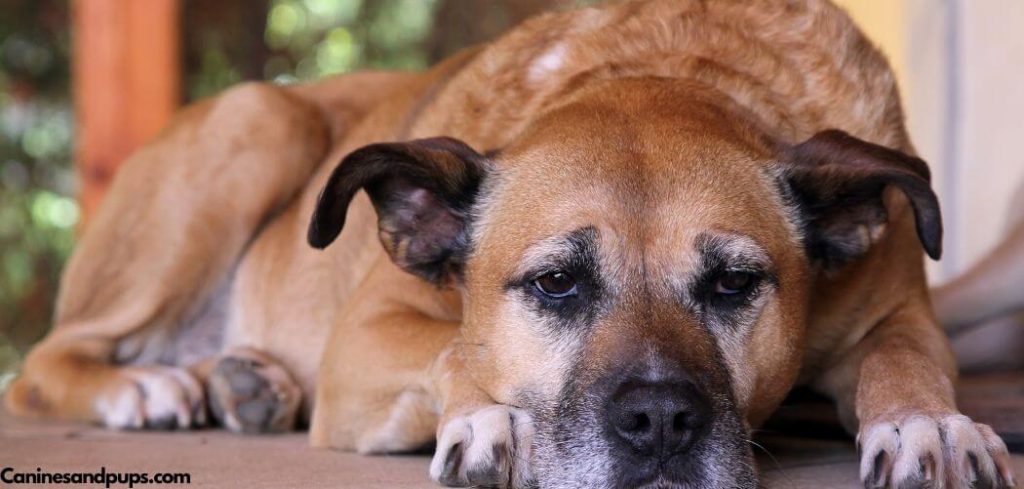
Depending on the underlying cause, a dog may show several additional signs:
Limping on one back leg after waking up
Stiffness when standing from a lying position
Difficulty climbing stairs
Reluctance to jump onto furniture
Slower walking after resting
Licking the affected leg
Swelling around the knee or paw
Improvement after walking in some cases
Dog Suddenly Limping Back Leg After Sleeping: Common Causes
Arthritis
Arthritis is one of the most common reasons dogs limp after sleeping, especially in middle-aged and senior dogs.
As the protective cartilage within the joints gradually wears away, movement becomes painful, and inflammation develops.
During sleep, the joints remain still for long periods, allowing stiffness to build up.
Many dogs appear especially stiff first thing in the morning or after long naps before gradually loosening up as they begin walking.
Other signs include difficulty climbing stairs, reluctance to jump into the car, slower walks, and decreased interest in vigorous play.
Although arthritis cannot be cured, early treatment with weight management, veterinary-prescribed pain relief, joint-support therapies, and regular low-impact exercise can greatly improve your dog’s comfort and quality of life.
Read more: Dog Suddenly Not Using Back Legs (Causes and treatment)
Muscle or Tendon Strain
A mild muscle or tendon strain may not become obvious immediately after exercise. Instead, inflammation develops over several hours, making the leg feel much stiffer after your dog has rested overnight or taken a long nap.
Dogs often strain muscles after running, jumping, slipping, or rough play, even if no obvious injury was witnessed.
The limp may improve slightly after a few minutes of walking as the muscles warm up, but strenuous activity usually causes the pain to return.
Mild strains often respond well to several days of restricted exercise, but persistent limping or worsening discomfort should be evaluated by your veterinarian to rule out more serious soft tissue injuries.
Torn Cranial Cruciate Ligament (CCL)
A torn cranial cruciate ligament is one of the most common orthopedic injuries affecting the hind leg.
Some dogs experience an obvious injury while running or turning sharply, while others develop a partial tear that worsens gradually over time. After resting, the unstable knee often becomes particularly stiff and painful when the dog first stands.
Many dogs limp noticeably after sleeping and may hesitate before placing weight on the affected leg.
Swelling around the knee can develop over the following days, and climbing stairs or jumping often becomes difficult. Without treatment, chronic joint instability usually leads to arthritis.
Many complete tears require surgery followed by rehabilitation to restore comfortable movement.
Luxating Patella
A luxating patella occurs when the kneecap slips out of its normal groove. It is especially common in small breeds, although larger dogs can also be affected.
After sleeping, the first few steps may cause the kneecap to shift temporarily, resulting in sudden limping or skipping.
Owners often notice their dog carrying the leg for several strides before walking normally again once the kneecap returns to position.
Frequent episodes can gradually damage the knee joint and increase the risk of arthritis. Dogs with recurring limping should be examined to determine whether surgical correction or conservative management is the best option.
Related: Dog not putting weight on back leg (Here’s why)
Hip Dysplasia
Hip dysplasia develops when the hip joint does not fit together properly, leading to instability and progressive arthritis.
Dogs with hip dysplasia often appear most uncomfortable after resting because the joint becomes stiff during periods of inactivity.
As they begin moving, the stiffness may lessen slightly, but exercise often causes the discomfort to return later in the day.
Other common signs include bunny hopping while running, reluctance to climb stairs, difficulty rising from lying down, and muscle loss over the hindquarters.
Early diagnosis allows treatment to slow progression and improve mobility.
Paw Injury
Sometimes the problem is not in the leg at all but in the paw. Small cuts, bruises, torn nails, splinters, grass awns, or other injuries may become more painful after periods of inactivity because the paw stiffens while your dog is resting.
When your dog first stands, they may limp until the paw begins moving again.
Owners often notice excessive licking, chewing, or swelling around the foot.
Carefully examining the paw can sometimes reveal the cause, but deeply embedded foreign objects or infected wounds require veterinary treatment.
Spinal or Neurological Conditions
Conditions affecting the spine or nerves, such as intervertebral disc disease (IVDD), can sometimes cause hind leg limping that is most noticeable after sleeping.
During rest, inflammation around the spinal cord or nerves may temporarily increase stiffness and weakness.
Dogs may also drag their toes, stumble, appear unsteady, or have difficulty coordinating their back legs.
Because neurological conditions can worsen rapidly, prompt veterinary assessment is important if weakness or coordination problems accompany the limp.
Fracture or Bone Injury
Although less common without a known accident, small fractures or stress injuries can occasionally become more painful after a period of rest.
Dogs may have sustained an injury during play or a minor fall that initially went unnoticed.
Unlike muscle stiffness, pain from a fracture generally does not improve with movement and often becomes worse when weight is placed on the leg.
Persistent limping, swelling, or refusal to bear weight requires immediate veterinary evaluation and X-rays to rule out a broken bone.
Related: Dog back legs suddenly collapsing (Here’s why)
Dog Suddenly Limping Back Leg After Sleeping: What to Do
If your dog suddenly begins limping after sleeping, allow them a few minutes to walk slowly and see whether the stiffness improves.
Mild stiffness that resolves quickly may occur with arthritis or a minor muscle strain, but repeated episodes should still be discussed with your veterinarian.
Restrict vigorous activity such as running, jumping, or rough play until the cause has been identified.
Carefully inspect the affected paw for cuts, torn nails, swelling, grass awns, or foreign objects that could be causing pain.
Observe whether the limp consistently occurs after sleeping or also develops after exercise.
Keeping a diary of when the limping occurs and recording a short video of your dog walking after waking up can provide valuable information for your veterinarian.
Provide a soft, supportive bed in a warm, draft-free area, particularly for senior dogs with arthritis.
Non-slip rugs or mats can also help prevent slipping when your dog first stands.
Never give human pain medications such as ibuprofen, naproxen, or acetaminophen, as these drugs can be dangerous to dogs.
When to Call or Visit the Vet
A dog that repeatedly limps after sleeping should be examined to determine the underlying cause.
Schedule an appointment if you notice:
Limping after every nap or night’s sleep
Stiffness lasting longer than a few minutes
Difficulty climbing stairs
Reluctance to jump
Swelling around the leg or paw
Licking the affected limb
Reduced activity level
Limping that gradually becomes worse
Seek emergency veterinary attention immediately if your dog develops:
Complete inability to bear weight
Obvious deformity of the leg
Severe swelling after trauma
Collapse or inability to stand
Sudden weakness in both hind legs
Loss of bladder or bowel control
Severe pain or continuous crying
Loss of feeling in the limb
Related: Dog suddenly limping on back left leg (Possible causes)
Dog Suddenly Limping Back Leg After Sleeping: Treatment
Veterinary treatment for a dog that begins limping after getting up from sleep starts with an orthopedic and neurological examination.
The veterinarian may evaluate the joints and muscles for stiffness, instability, or injury and may recommend X-rays or other imaging.
Treatment may include prescription pain or anti-inflammatory medication, rehabilitation, joint-support treatment, and management of any diagnosed orthopedic condition.
Recovery and Monitoring
Recovery depends on the underlying cause of the limp. Minor muscle strains often improve within several days of restricted activity, while arthritis requires lifelong management to maintain mobility and comfort.
Ligament injuries and fractures may require weeks or months of rehabilitation.
Monitor how quickly your dog begins walking normally after waking, whether the limp worsens over time, and whether new symptoms such as swelling or weakness develop.
Follow your veterinarian’s recommendations regarding medications, exercise, and follow-up visits.
Maintaining a healthy body weight, providing regular low-impact exercise, and ensuring your dog has a supportive bed can all help reduce stiffness and support long-term joint health.
Key Takeaway
A dog suddenly limping on a back leg after sleeping is often experiencing pain that becomes more noticeable after a period of rest.
Arthritis, muscle strains, torn cranial cruciate ligaments, luxating patellas, hip dysplasia, paw injuries, spinal disorders, and fractures are among the most common causes.
Although mild stiffness may improve after a few minutes of walking, repeated limping after sleep is not considered a normal part of aging and deserves veterinary attention.
Early diagnosis can help prevent further joint damage and improve your dog’s comfort.
If your dog’s limping persists, worsens, or is accompanied by swelling, weakness, or refusal to bear weight, contact your veterinarian immediately.
With appropriate treatment and ongoing care, many dogs regain comfortable movement and continue to enjoy an active, happy life.


