
A dog that suddenly becomes sick can be concerning, particularly when there were no obvious warning signs beforehand.
An isolated episode may sometimes pass without further problems, but sudden vomiting can also be an early indication that your dog needs closer observation or veterinary attention.
What happens after your dog becomes sick is often just as important as the initial episode.
This article explains what sudden vomiting can mean, which changes to watch for, what you can do to support your dog, and when it is important to contact a veterinarian.
Table of Contents
Dog Suddenly Being Sick: Why It Happens
A dog suddenly being sick may have acute gastroenteritis, dietary indiscretion, poisoning, pancreatitis, an intestinal obstruction, bilious vomiting syndrome, kidney disease, or another underlying medical condition.
Some dogs may also develop diarrhea, loss of appetite, lethargy, abdominal pain, or signs of dehydration.
Identifying the cause quickly can help ensure your dog receives the right treatment before complications develop.
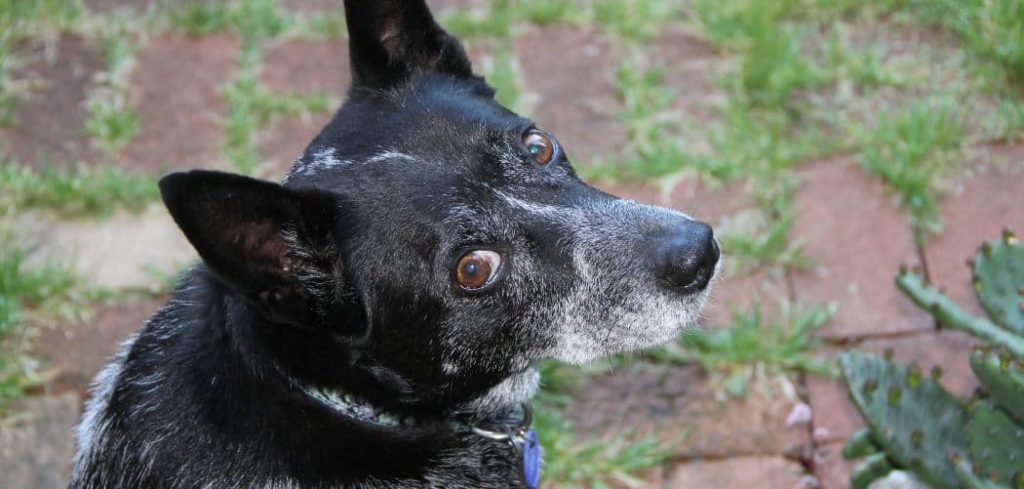
Dog Suddenly Being Sick: Common Causes
Acute Gastroenteritis
Acute gastroenteritis is one of the most common reasons a dog suddenly begins vomiting. Inflammation of the stomach and intestines can develop quickly after eating spoiled food, experiencing a sudden dietary change, or becoming infected with certain bacteria or viruses.
As the digestive tract becomes irritated, nausea develops rapidly, leading to vomiting and often diarrhea.
Many dogs also become less interested in food and appear quieter than usual while their stomach settles.
Your veterinarian will usually diagnose gastroenteritis based on your dog’s history and physical examination, although blood work or fecal testing may be recommended if symptoms are severe or persistent.
Most mild cases improve with supportive care, while severe cases may require intravenous fluids.
Read more: Dog suddenly vomiting and diarrhea (Possible causes)
Dietary Indiscretion
Dogs are well known for eating things they should not, including garbage, spoiled food, table scraps, compost, or unfamiliar objects.
This behavior, often called dietary indiscretion, is one of the most frequent causes of sudden vomiting.
The stomach reacts quickly to irritating foods by triggering nausea and vomiting in an attempt to remove the offending material.
Some dogs recover within a day, while others develop diarrhea, dehydration, or even pancreatitis if fatty foods were consumed.
Your veterinarian may recommend monitoring mild cases, but persistent vomiting or suspicion that your dog swallowed a foreign object requires immediate evaluation.
Poisoning
Many toxins cause vomiting within minutes or hours after being swallowed. Chocolate, xylitol, toxic plants, antifreeze, pesticides, household cleaners, rodenticides, and certain human medications are common examples.
Depending on the toxin, dogs may also drool excessively, tremble, become weak, develop diarrhea, experience seizures, or collapse.
Some toxins affect multiple organs very quickly, making early treatment critical.
Any suspected poisoning should be treated as a veterinary emergency. Immediate treatment can reduce toxin absorption and greatly improve the chances of recovery.
Pancreatitis
Pancreatitis develops when the pancreas becomes inflamed, often after eating a high-fat meal, although it can also occur without an obvious trigger. Sudden vomiting is usually one of the first signs owners notice.
Affected dogs commonly refuse food, become lethargic, develop abdominal pain, and may adopt a hunched posture because of discomfort.
Older dogs, overweight dogs, and breeds such as Miniature Schnauzers are more likely to develop pancreatitis.
Diagnosis typically involves blood tests and abdominal ultrasound. Many dogs require hospitalization for intravenous fluids, pain relief, anti-nausea medication, and careful nutritional support.
Intestinal Obstruction
An intestinal obstruction occurs when a foreign object such as a toy, sock, bone, corn cob, or piece of clothing becomes lodged within the digestive tract.
Vomiting often begins suddenly because food and fluids can no longer pass normally through the intestines.
As pressure builds, dogs usually become increasingly nauseated and may stop eating altogether.
Abdominal pain, lethargy, dehydration, and little or no stool production are common as the obstruction worsens.
Veterinarians diagnose intestinal obstructions using abdominal X-rays or ultrasound. Most cases require surgery, and delaying treatment increases the risk of intestinal rupture and life-threatening complications.
Bilious Vomiting Syndrome
Bilious vomiting syndrome occurs when the stomach remains empty for several hours, allowing bile and stomach acid to irritate the stomach lining.
This irritation can cause dogs to suddenly vomit yellow or green bile, particularly first thing in the morning.
Most affected dogs appear completely normal before and after the episode, maintaining a healthy appetite and normal energy levels.
Episodes may occur intermittently but often follow a predictable pattern.
Veterinarians usually diagnose bilious vomiting syndrome after ruling out other illnesses.
Feeding smaller, more frequent meals or offering a small snack before bedtime often helps prevent future episodes.
Kidney Disease
Kidney disease causes waste products to accumulate in the bloodstream, leading to nausea that may suddenly become severe enough to cause vomiting.
Chronic kidney disease develops gradually, but vomiting may appear suddenly once toxin levels become significant.
Older dogs are most commonly affected, although acute kidney injury may develop rapidly following toxin exposure, infections, or severe dehydration.
Increased thirst, increased urination, poor appetite, weight loss, and bad breath often accompany the vomiting.
Diagnosis generally includes blood tests, urinalysis, blood pressure measurement, and imaging when necessary. Early treatment helps improve comfort and slow disease progression.
Liver Disease
The liver removes toxins from the bloodstream and supports digestion. When liver function declines, or acute liver injury occurs, toxins accumulate and can trigger sudden nausea and vomiting.
Dogs with liver disease may also become lethargic, lose weight, develop diarrhea, drink more water, or develop jaundice, which causes yellowing of the gums, eyes, or skin.
Some liver conditions appear suddenly, while others progress gradually before signs become noticeable.
Veterinarians commonly use blood tests, bile acid testing, abdominal ultrasound, and occasionally liver biopsies to determine the underlying cause. Treatment depends on the specific liver disorder.
Read more: Dog Being Sick and Shaking (Causes and treatment)
Dog Suddenly Being Sick: What to Do
If your dog vomits once but remains bright, alert, and otherwise behaves normally, monitor them closely over the next 24 hours.
Ensure fresh water is available and watch for any further episodes of vomiting or the development of additional symptoms.
Pay attention to what your dog may have eaten before becoming sick, whether they can keep water down, and whether they develop diarrhea, abdominal pain, lethargy, or loss of appetite.
This information can help your veterinarian identify the underlying cause more quickly.
Do not offer rich foods or human medications unless specifically instructed by your veterinarian.
If your dog repeatedly vomits, cannot keep water down, or is suspected of eating something toxic, seek veterinary care immediately.
When to Call or Visit the Vet
A single episode of vomiting may resolve on its own, but repeated or severe vomiting should always be evaluated.
Schedule an appointment if you notice:
Vomiting more than once in 24 hours
Reduced appetite
Mild lethargy
Mild diarrhea
Weight loss
Increased thirst or urination
Vomiting that keeps returning
Vomiting yellow bile regularly
Seek emergency veterinary attention immediately if your dog develops:
Repeated vomiting with inability to keep water down
Blood in the vomit
Severe abdominal pain
Collapse or extreme weakness
Signs of dehydration
Suspected poisoning
Suspected intestinal obstruction
Seizures, pale gums, or difficulty breathing
Dog Suddenly Being Sick: Treatment
A dog that suddenly becomes sick should be assessed according to the severity and duration of the symptoms.
The veterinarian may perform a physical examination and, when indicated, blood tests, fecal testing, urine testing, X-rays, or ultrasound.
Treatment can include anti-nausea medication, fluid therapy, pain relief, gastrointestinal medication, prescription diets, or other targeted treatment based on the diagnosis.
Sudden severe vomiting, collapse, significant weakness, abdominal swelling, difficulty breathing, or blood in vomit or stool warrants emergency veterinary treatment.
Recovery and Monitoring
Recovery depends on the underlying cause. Mild gastroenteritis often improves within a few days, while pancreatitis, poisoning, intestinal obstruction, kidney disease, or liver disease may require intensive treatment and longer recovery periods.
Monitor your dog’s appetite, water intake, body weight, energy level, bowel movements, and whether vomiting becomes less frequent after treatment begins.
Administer all prescribed medications exactly as directed and attend follow-up appointments recommended by your veterinarian.
Contact your veterinarian if vomiting continues, your dog refuses food or water, becomes increasingly lethargic, develops diarrhea, or shows signs of dehydration despite treatment.
Key Takeaway
A dog suddenly being sick commonly results from acute gastroenteritis, dietary indiscretion, poisoning, pancreatitis, intestinal obstruction, bilious vomiting syndrome, kidney disease, or liver disease.
While a single episode of vomiting may simply reflect a temporary stomach upset, sudden or repeated vomiting can also be the first sign of a serious illness that requires prompt veterinary care.
Early veterinary evaluation can identify the underlying cause, relieve your dog’s discomfort, and prevent complications.
If your dog repeatedly vomits, cannot keep water down, develops severe abdominal pain, collapses, is suspected of eating a toxic substance, or shows signs of dehydration, seek emergency veterinary care immediately.