
Few things are more concerning for dog owners than seeing their dog suddenly lose coordination.
A dog that appears wobbly, stumbles while walking, crosses its legs incorrectly, or seems unable to move normally may be experiencing a problem affecting balance, muscles, nerves, or the brain itself.
Dog stumbling and uncoordinated walking can develop gradually over time or appear suddenly without warning.
While some causes are relatively mild and treatable, others may require urgent veterinary care.
Understanding the possible reasons behind these symptoms can help you recognize when your dog needs immediate attention and what steps to take next.
Table of Contents
Dog Stumbling and Uncoordinated Walking: Why It Happens
Dog stumbling and uncoordinated walking may happen because of vestibular disease, neurological disorders, spinal cord problems, muscle weakness, toxin exposure, infections, or other conditions that interfere with balance and movement.
Normal movement requires constant communication between the brain, spinal cord, nerves, muscles, joints, and inner ears. When any part of this system is disrupted, a dog may lose coordination and begin stumbling, swaying, falling, or walking abnormally.
The severity of symptoms can vary significantly. Some dogs simply appear clumsy or wobbly, while others may struggle to stand or walk without falling.
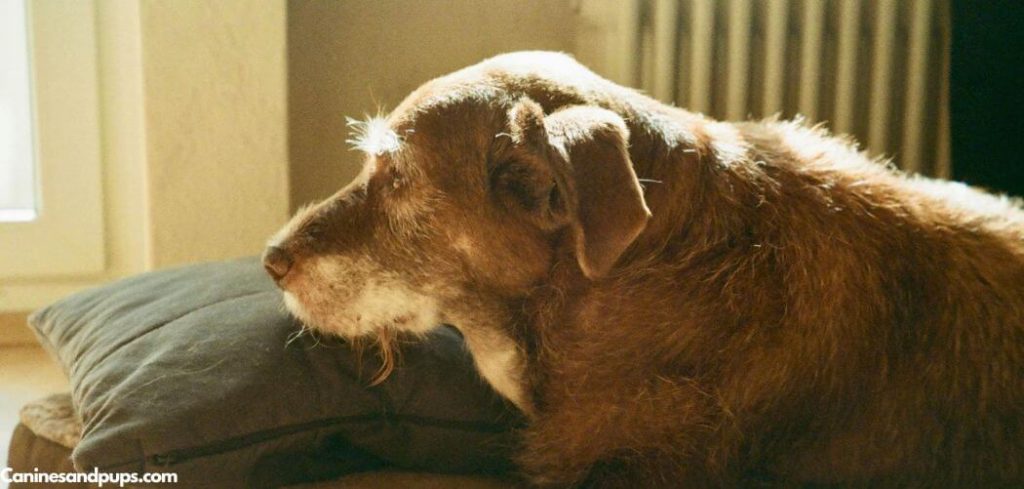
Symptoms include:
Stumbling while walking
Wobbling or swaying
Crossing the legs incorrectly
Walking in circles
Falling over
Difficulty standing up
Head tilt
Weakness in one or more limbs
Dog Stumbling and Uncoordinated Walking: Common Causes
Neurological Disorders
The brain and nervous system play a central role in coordinating movement. Disorders affecting these structures can lead to stumbling, weakness, and abnormal walking patterns.
Inflammatory brain diseases, tumors, degenerative neurological conditions, and nerve disorders may all interfere with a dog’s ability to control movement properly.
Depending on the location of the problem, symptoms may affect one limb, both hind legs, one side of the body, or the entire body.
Dogs with neurological disease often display more than simple stumbling. You may notice confusion, unusual behavior, tremors, abnormal eye movements, head tilts, or seizures.
Some neurological disorders progress slowly over months, while others appear suddenly. Early diagnosis is particularly important because treatment options and outcomes vary considerably depending on the underlying condition.
Any dog that develops unexplained coordination problems should be evaluated promptly, especially if symptoms worsen or additional neurological signs appear.
Read more: Dog suddenly lethargic and wobbly (Causes and treatment)
Vestibular Disease
Vestibular disease is one of the most common causes of sudden balance problems in dogs. The vestibular system helps control balance and orientation by sending information between the inner ear and the brain.
When this system becomes disrupted, dogs often appear dizzy and disoriented. They may stagger, stumble, lean to one side, or walk as though they are intoxicated. Some dogs become unable to stand without falling.
Vestibular disease can occur because of inner ear infections, inflammation, trauma, tumors, or age-related changes.
In many older dogs, symptoms appear suddenly without an obvious cause, a condition commonly called idiopathic vestibular disease.
Many affected dogs also experience nausea due to the sensation of dizziness. Drooling, vomiting, decreased appetite, and abnormal eye movements may accompany the balance issues.
Although vestibular disease often looks frightening, many dogs improve substantially within several days. However, because the symptoms can resemble those of more serious neurological conditions, veterinary evaluation is always needed.
Read more: Old Dog Vestibular Disease (Signs, causes and treatment)
Spinal Cord Disease
The spinal cord acts as the communication highway between the brain and the rest of the body. Conditions affecting the spine can interrupt these signals and result in uncoordinated movement.
Intervertebral disc disease is a common example. A damaged disc may place pressure on the spinal cord, causing weakness, stumbling, or difficulty controlling the legs.
Dogs may drag their feet, scuff their nails, or appear unstable while walking.
Other spinal conditions include trauma, degenerative diseases, inflammation, and tumors. The severity of symptoms depends on the location and extent of spinal cord involvement.
Some dogs show obvious signs of pain, while others primarily exhibit mobility problems.
There is reluctance to jump, difficulty climbing stairs, or an unusual gait before more severe symptoms develop.
Immediate veterinary assessment is important because some spinal conditions can worsen rapidly and potentially lead to paralysis if left untreated.
Inner Ear Infections
The inner ear contains structures that help maintain balance. Severe infections involving this area can significantly affect coordination.
Dogs with inner ear infections may appear dizzy, stumble, lean to one side, or walk in circles.
The inflammation interferes with normal balance signals reaching the brain, causing instability and confusion.
In many cases, additional ear-related symptoms are noticed. These may include scratching at the ears, head shaking, discharge, foul odor, redness, or discomfort when the ears are touched.
Some infections remain confined to the outer ear, but when they spread deeper, neurological and balance-related symptoms can occur. Chronic, untreated infections may lead to more serious complications.
Early treatment improves the likelihood of full recovery and reduces the risk of long-term damage to the structures responsible for hearing and balance.
Toxin Exposure
Various toxins can interfere with normal brain and nerve function, causing dogs to become uncoordinated and stumble.
Common examples include certain medications, household chemicals, toxic plants, mold toxins, recreational drugs, and some foods.
Depending on the substance involved, symptoms may range from mild wobbliness to severe neurological dysfunction.
Affected dogs often appear disoriented or unusually sleepy. Tremors, vomiting, drooling, abnormal behavior, seizures, or collapse may also occur.
Toxin exposure is particularly concerning because symptoms can worsen quickly. A dog that seemed mildly unsteady an hour ago may become severely affected later.
Whenever coordination problems develop suddenly, and toxin exposure is possible, immediate veterinary care should be sought.
Muscle Weakness and Metabolic Disease
Not all stumbling originates from the nervous system. Generalized weakness caused by illness can also result in uncoordinated movement.
Conditions such as low blood sugar, anemia, heart disease, electrolyte imbalances, endocrine disorders, and severe infections may leave dogs too weak to move normally.
Instead of true balance problems, these dogs may stumble because their muscles cannot perform effectively.
Additional signs include lethargy, weight loss, decreased appetite, excessive thirst, or reduced exercise tolerance.
Unlike dogs with vestibular disease, these patients often do not have head tilts or obvious dizziness. Their instability is more closely related to weakness and fatigue.
Identifying the underlying illness is essential because treatment focuses on correcting the primary medical problem rather than simply addressing the mobility issue.
Degenerative Conditions
Some dogs gradually develop coordination problems due to progressive degenerative diseases affecting nerves, muscles, or the spinal cord.
These conditions often develop slowly over months or years. First signs include occasional stumbling, dragging of the feet, or difficulty rising from a resting position. Over time, the symptoms become more noticeable and frequent.
Degenerative conditions are particularly common in older dogs. While these diseases may not be curable, many dogs can maintain a good quality of life with supportive care, rehabilitation, and environmental modifications.
Because gradual progression can make changes difficult to recognize, regular veterinary evaluations become increasingly important as dogs age.
Dog Stumbling and Uncoordinated Walking: What to Do
If your dog is stumbling and uncoordinated, focus on keeping them safe while arranging veterinary evaluation.
Helpful steps include:
Restrict strenuous activity.
Prevent access to stairs.
Provide non-slip surfaces.
Monitor eating and drinking habits.
Record videos of the abnormal walking.
Watch for worsening symptoms.
Avoid giving human medications or attempting treatment without veterinary guidance. Some underlying causes can deteriorate rapidly and require professional care.
When to Call or Visit the Vet
Any new loss of coordination warrants veterinary attention.
Seek immediate care if your dog has:
Sudden inability to walk
Repeated falls
Head tilt
Seizures
Collapse
Severe weakness
Abnormal eye movements
Suspected toxin exposure
Vomiting along with balance problems
Rapid worsening of symptoms
These signs may indicate a serious neurological or medical emergency.
Dog Stumbling and Uncoordinated Walking: Treatment
Your veterinarian will perform a thorough physical and neurological examination to determine the source of the coordination problem.
Diagnostic testing may include blood work, urine testing, ear examinations, blood pressure measurements, X-rays, CT scans, MRI imaging, and specialized neurological evaluations. The specific tests recommended will depend on your dog’s symptoms and medical history.
Treatment varies according to the diagnosis. Dogs with vestibular disease may require supportive care and anti-nausea medications. Ear infections often require antibiotics and anti-inflammatory treatments.
Spinal disorders may need pain management, rehabilitation, or surgery. Metabolic diseases require treatment of the underlying condition.
Early diagnosis often improves the chances of a successful outcome.
Recovery and Monitoring
Recovery depends largely on the underlying cause. Some dogs improve within days, while others require weeks or months of treatment and rehabilitation.
During recovery, monitor your dog’s ability to walk, eat, drink, and navigate the home safely. Keep a record of any changes in coordination, balance, strength, or behavior.
Follow-up veterinary visits are often necessary to assess progress and adjust treatment plans. In cases involving chronic neurological or degenerative diseases, long-term management may be needed to maintain comfort and mobility.
Key Takeaway
Dog stumbling and uncoordinated walking can result from a wide range of conditions, including vestibular disease, neurological disorders, spinal cord problems, toxin exposure, inner ear infections, and systemic illnesses that cause weakness.
While some causes are temporary and highly treatable, others can be serious or even life-threatening.
Sudden loss of coordination should always be taken seriously, particularly when accompanied by head tilt, seizures, collapse, severe weakness, or behavioral changes.
If your dog is stumbling and uncoordinated, a prompt veterinary examination is the best way to identify the cause and begin appropriate treatment.
Early intervention often leads to better outcomes and helps keep your dog safe and comfortable.


