
When your dog starts pooping liquid stool but still seems cheerful and energetic, it can be confusing and concerning.
You might wonder how serious it is if they’re still eating, playing, and wagging their tail as usual.
We outline the common reasons why a dog may poop liquid but still act normal, what you can do, and when to seek veterinary care.
Table of Contents
Dog Pooping Liquid but Acting Normal: Why It Happens
A dog pooping liquid but acting normal often points to mild digestive irritation rather than a severe illness. Common reasons include a sudden diet change, food intolerance, stress, parasites, or eating something that upset their stomach.
Because your dog still has energy and an appetite, it’s likely the issue is short-term or mild. However, persistent liquid stool, even in a lively dog, can signal an underlying imbalance that shouldn’t be ignored.
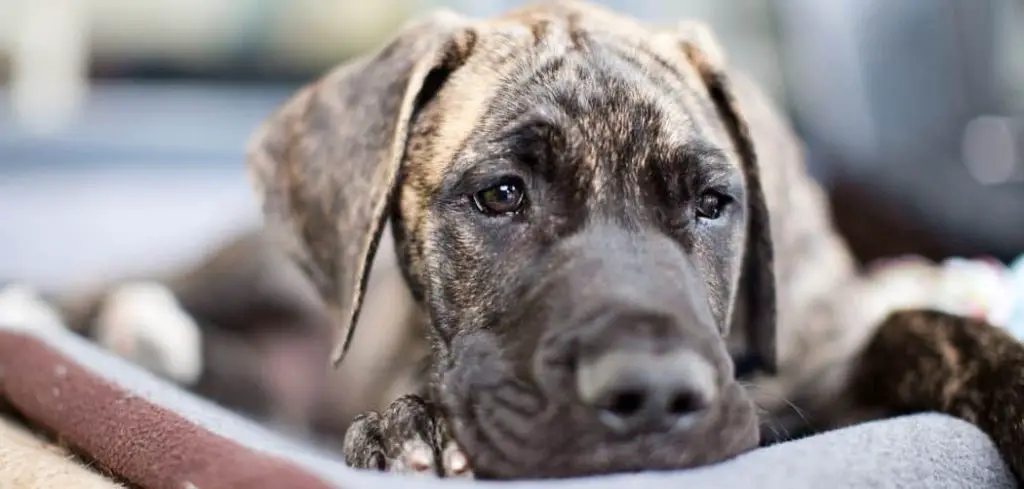
Dog Pooping Liquid but Acting Normal: Common Causes
Dietary Indiscretion
Dogs are natural scavengers. Eating table scraps, spoiled food, or something from the trash can quickly upset their digestive system. This often leads to soft or liquid stool while your dog still behaves normally.
Greasy foods, bones, or high-fat treats can irritate the intestinal lining, causing a bout of diarrhea.
In most cases, it resolves within a day or two once the offending food passes through. However, constant scavenging or access to the trash can turn this into a chronic problem.
Read more: Dog Pooping Bloody Mucus but Acting Normal (Here’s why)
Sudden Diet Change
Switching your dog’s food too abruptly is a common reason for sudden loose stool. The gut bacteria that aid digestion need time to adjust to a new formula or protein source.
Even high-quality foods can cause diarrhea if the transition isn’t gradual. The change should be done over 7–10 days, slowly mixing the new food with the old until the gut adjusts. Dogs with sensitive stomachs are especially prone to this reaction.
Food Sensitivities or Intolerances
Some dogs react poorly to certain ingredients such as chicken, beef, dairy, wheat, or soy. Food intolerances don’t always make dogs sick or lethargic — instead, they cause chronic or intermittent loose stool and occasional mucus in the poop.
Your dog might still appear happy and healthy because the irritation is localized to the digestive tract. Over time, though, this can lead to weight loss, poor coat quality, or nutritional deficiencies if not addressed.
Parasites (Worms and Protozoa)
Intestinal parasites like Giardia, roundworms, hookworms, or whipworms can cause liquid stool even in dogs that otherwise seem fine. Some parasites don’t produce noticeable symptoms until they multiply significantly.
Puppies and outdoor dogs are at higher risk because they often explore contaminated soil or water. Routine deworming and regular fecal tests help prevent these infestations.
If your dog’s stool remains watery for more than a few days, your vet may request a stool sample to check for parasites.
Bacterial or Viral Infections
Mild bacterial infections (like Clostridium perfringens) or viral upsets (such as coronavirus or mild parvovirus strains) can cause diarrhea without affecting your dog’s mood. These infections irritate the intestinal lining, causing liquid stool but no other major symptoms.
While many dogs recover naturally, persistent infection or worsening diarrhea can quickly dehydrate them. Even if your dog seems fine now, bacterial infections can spread to other pets or recur if not properly treated.
Stress or Anxiety
Just like people, dogs can develop stress-induced diarrhea. Traveling, new environments, loud noises, or separation anxiety can trigger temporary liquid stool even when the dog’s behavior seems normal.
This happens because stress hormones interfere with gut motility, causing food to move too quickly through the intestines. The result: poorly formed or liquid poop. Once the stress passes, stool usually returns to normal within a day or two.
Minor Gut Imbalance (Microbiome Disruption)
Sometimes, your dog’s gut bacteria get out of balance due to antibiotics, diet changes, or mild illness. This imbalance — called dysbiosis — can cause liquid stool without changing your dog’s behavior.
Probiotics and easily digestible diets can help restore balance. However, if symptoms last more than a few days, your vet should evaluate for chronic gut inflammation or infection.
Read more: Dog Suddenly Pooping Blood (Here’s when to worry)
Dog Pooping Liquid Blood but Acting Normal
A dog that is pooping liquid blood but otherwise acting normal may still have a potentially serious gastrointestinal problem.
Bloody liquid stool often indicates inflammation or bleeding somewhere in the intestines and can be caused by hemorrhagic gastroenteritis (HGE), intestinal parasites, bacterial infections, dietary indiscretion, stress colitis, food allergies, or ingestion of toxins.
In some cases, dogs may continue eating, drinking, and behaving normally during the early stages of the condition.
Because bloody liquid diarrhea can sometimes progress rapidly, veterinary attention is needed, especially if the bleeding continues, becomes more severe, or is accompanied by vomiting, lethargy, weakness, pale gums, loss of appetite, or abdominal pain.
Dog Pooping Yellow Liquid but Acting Normal
A dog passing yellow liquid stool but still acting normal often has mild intestinal irritation or a rapid transit issue in the gut.
The yellow color is usually due to bile not being fully processed as food moves too quickly through the intestines.
Common causes include dietary indiscretion, sudden food changes, mild infections, or stress-related colitis.
If the dog remains active and eating normally, it may resolve on its own within a short period, but repeated episodes should be checked by a vet.
Dog Pooping Liquid Brown but Acting Normal
Liquid brown stool with normal behavior usually indicates diarrhea caused by digestive upset, dietary changes, parasites, or mild bacterial imbalance in the gut.
Even when a dog appears well, the intestines may be inflamed or irritated, leading to poor water absorption and loose stool.
If it continues for more than 24–48 hours, or becomes frequent, it may signal a more persistent gastrointestinal problem that needs attention.
Dog Pooping Black Liquid but Acting Normal
Black liquid stool is more concerning because it can indicate digested blood from bleeding in the upper gastrointestinal tract.
Possible causes include ulcers, ingestion of blood, toxins, or serious internal disease. Even if the dog appears normal initially, this type of stool should never be ignored.
Veterinary evaluation is strongly recommended because internal bleeding can become serious quickly, even before other symptoms appear.
Dog Pooping Liquid but Acting Normal and Vomiting
A dog that has liquid diarrhea and vomiting but still acts normal may be experiencing early-stage gastroenteritis, dietary indiscretion, parasites, or mild toxin exposure.
In the early stages, dogs may still behave normally while losing fluids internally.
Because vomiting and diarrhea together increase dehydration risk, the dog should be monitored closely, and veterinary care is needed if symptoms persist or worsen.
Puppy Pooping Liquid but Acting Normal
A puppy with liquid stool but normal behavior may have a mild infection, parasites, dietary sensitivity, or stress-related digestive upset.
Puppies often have more sensitive digestive systems and can develop diarrhea quickly after food changes or exposure to pathogens.
Even if the puppy seems fine, diarrhea in young dogs should be taken seriously because they can dehydrate very quickly.
What to Do If Your Dog Is Pooping Liquid but Acting Normal
If your dog seems energetic and otherwise healthy, start by withholding food (not water) for 8–12 hours to let the digestive system rest. After the brief fast, offer small portions of a bland diet such as boiled chicken and plain white rice.
Monitor your dog closely for 24–48 hours. If the stool begins to firm up, gradually reintroduce their regular food over several days.
Make sure your dog has access to clean water at all times. Even if they appear well, diarrhea can cause dehydration — especially in puppies and small breeds.
Avoid giving treats, table scraps, or new foods during recovery. Stick to a simple diet until stools are back to normal.
You can also add a probiotic supplement recommended by your vet to help restore healthy gut flora. Products containing Enterococcus faecium or Lactobacillus acidophilus are commonly used for dogs.
If the diarrhea persists beyond two days, or if it keeps returning, a vet visit is recommended to rule out parasites, infections, or food sensitivities.
When to Visit Your Vet
Even if your dog seems fine, certain warning signs mean it’s time for professional care.
If your dog’s liquid stool lasts more than 48 hours, if there’s any blood or black, tarry stool, or if they start vomiting, call your vet.
Lethargy, refusal to eat, fever, or signs of pain such as whining or hunched posture are red flags that indicate more than just mild stomach upset.
For puppies, senior dogs, or those with pre-existing conditions like diabetes or kidney disease, any episode of diarrhea — even if they seem normal — warrants a vet check. These dogs dehydrate more easily and may deteriorate quickly.
Read more: Dog Pooping Blood and Diarrhea but Acting Normal (Here’s why)
Dog Pooping Liquid but Acting Normal: Treatment
Treatment depends on the cause. Your veterinarian may perform a fecal exam, bloodwork, or imaging to identify infections, parasites, or digestive tract inflammation. Early testing prevents chronic irritation or more severe illness.
If parasites, infections, or toxins are involved, veterinary medications such as dewormers, antibiotics, or anti-diarrheal drugs may be required.
Key Takeaway
If your dog is pooping liquid but acting normal, it’s often a mild digestive upset that can be managed with rest, a bland diet, and hydration.
However, recurring or prolonged diarrhea can indicate parasites, infection, or diet intolerance that needs veterinary care.
Stay observant — track how long it lasts, whether it contains blood or mucus, and if your dog’s appetite or behavior changes.
Prompt attention ensures your pup stays healthy, comfortable, and back to producing solid stools soon.