
If your dog seems to prefer pooping in the woods instead of your yard or on the edge of the trail, you may wonder whether this behavior is normal.
Some dogs will ignore open grassy areas and head straight for bushes, trees, or wooded paths before they finally relieve themselves.
While this preference can be inconvenient during walks, it is usually part of normal canine behavior rather than a sign of illness.
Table of Contents
Dog Pooping in the Woods: Why It Happens
A dog pooping in the woods often chooses these locations because they feel safe, enjoy the natural scents, or are following their instinct to eliminate in a quiet area.
Many dogs naturally seek areas with vegetation rather than open spaces. In most cases, this is simply a behavioral preference, although sudden changes in elimination habits may occasionally point to an underlying medical or behavioral issue.
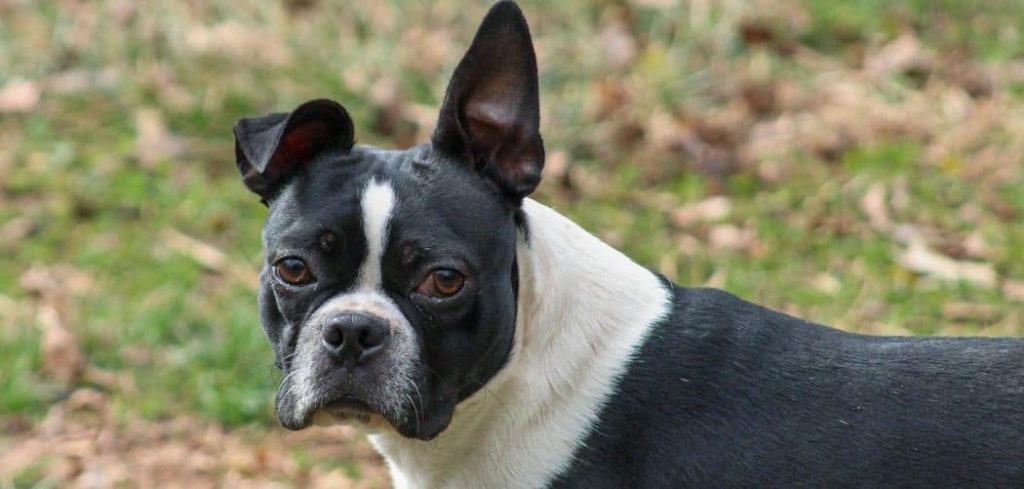
Dog Pooping in the Woods: Symptoms
Most dogs that prefer wooded areas are perfectly healthy, but you may notice certain behaviors.
Common symptoms include:
Walking into bushes or wooded areas before defecating
Sniffing extensively before choosing a spot
Circling several times before pooping
Ignoring open grassy areas
Preferring soft soil or leaf-covered ground
Normal stool consistency
Normal appetite and energy
Regular bowel movements
Dog Pooping in the Woods: Common Causes
Natural Instincts
Many dogs instinctively seek secluded places to relieve themselves. Dense vegetation can provide a sense of security while they are in the vulnerable position of defecating.
Wild canids often choose protected locations, and domestic dogs may retain some of these natural behaviors.
Related: Dog pooping in the toilet (Strange behavior explained)
Attraction to Interesting Scents
Wooded areas are filled with scents from wildlife, other dogs, and natural vegetation. Dogs rely heavily on their sense of smell and often spend extra time investigating these odors before choosing where to eliminate.
For many dogs, sniffing is an important part of the bathroom routine.
Preference for Soft Ground
Some dogs simply find loose soil, leaves, pine needles, or forest flooring more comfortable than pavement or closely mowed grass.
This preference may become even stronger in senior dogs or those with arthritis, as softer surfaces place less stress on painful joints.
Related: Dog pooping in snow (Here’s Why)
Marking Territory
Defecation is one way dogs leave scent markers for other animals. A wooded trail visited by many dogs and wildlife provides numerous scent-marking opportunities.
Dogs that frequently stop to sniff and investigate may be responding to these existing scent signals.
Reduced Distractions
Busy sidewalks, loud traffic, cyclists, or crowds can make some dogs reluctant to eliminate. Quiet wooded areas often provide a calmer environment where they feel relaxed enough to poop.
This is especially common in shy, anxious, or recently adopted dogs.
Routine and Habit
Dogs are creatures of habit. If your dog has successfully used wooded areas for bathroom breaks over a long period, they may simply continue seeking similar environments during every walk.
Changing this habit usually requires patience and consistent positive reinforcement.
Anxiety or Nervousness
Some dogs seek hidden locations because they feel anxious in open spaces. Fearful dogs may avoid eliminating until they find somewhere that feels more protected.
Other signs of anxiety may include tucked tails, reluctance to walk near traffic, trembling, or excessive vigilance.
Digestive or Mobility Issues
Although uncommon, dogs with constipation, arthritis, or digestive discomfort may spend more time searching for the “perfect” location before passing stool.
If your dog suddenly begins walking much farther into wooded areas than usual or struggles to defecate, a medical condition should be considered.
Dog Pooping in the Woods: What to Do
If your dog prefers pooping in the woods but is otherwise healthy, there is usually no need to discourage the behavior unless it creates safety concerns or conflicts with local regulations.
Always keep your dog on a leash where required, particularly in wooded areas that may contain wildlife, poisonous plants, steep terrain, or hunting activity. Staying on marked trails also helps protect natural habitats.
Carry waste bags and clean up after your dog, even in wooded areas, unless local regulations specifically state otherwise. Leaving dog waste behind can spread parasites, contaminate waterways, and affect local wildlife.
If you would prefer your dog to eliminate closer to home or in designated areas, reward them immediately when they poop in the desired location. Positive reinforcement is much more effective than trying to force your dog to use a spot they dislike.
Pay attention to your dog’s stool consistency and bathroom habits. If their preference for wooded areas is accompanied by straining, diarrhea, blood in the stool, or changes in appetite, schedule a veterinary examination.
Avoid pulling your dog away while they are trying to eliminate, as this can create frustration and may lead to longer walks before they feel comfortable going.
When to Call or Visit the Vet
Choosing to poop in the woods is usually normal, but sudden changes in bathroom habits or accompanying symptoms deserve attention.
Schedule an appointment if you notice:
Sudden changes in elimination habits
Straining to pass stool
Constipation lasting more than two days
Diarrhea lasting more than two days
Mucus in the stool
Reduced appetite
Weight loss
Signs of pain while defecating
Seek emergency veterinary attention immediately if your dog develops:
Large amounts of blood in the stool
Severe diarrhea with repeated vomiting
Collapse or severe weakness
A swollen or painful abdomen
Continuous straining without passing stool
Black, tarry stools
Severe lethargy
Inability to walk or stand normally
Dog Pooping in the Woods: Treatment
If your dog’s preference for pooping in the woods is accompanied by digestive symptoms or develops suddenly, your veterinarian will ask about changes in diet, exercise, bowel habits, and overall behavior.
A physical examination may include abdominal palpation, a rectal examination if indicated, and evaluation of your dog’s mobility. Depending on the findings, diagnostic tests such as fecal analysis, blood work, X-rays, or abdominal ultrasound may be recommended.
Treatment depends on the underlying cause. Healthy dogs with a simple location preference generally require no medical treatment. If constipation, gastrointestinal disease, arthritis, or anxiety is identified, treatment will focus on managing that condition while helping your dog maintain comfortable bowel habits.
Recovery and Monitoring
Dogs that simply enjoy pooping in wooded areas usually do not require any treatment and can continue this behavior safely as long as they remain supervised and owners clean up after them.
If an underlying medical condition is diagnosed, recovery depends on the cause. Digestive disorders often improve with dietary adjustments and medication, while arthritis or chronic gastrointestinal diseases may require ongoing management.
Continue monitoring your dog’s stool quality, appetite, activity level, and bowel routine. If you notice any significant changes, particularly difficulty passing stool or blood in the feces, contact your veterinarian promptly.
Key Takeaway
A dog pooping in the woods is usually displaying a perfectly normal behavior driven by instinct, scent preferences, comfort, or habit. Many dogs naturally seek quiet, sheltered places with soft ground when it’s time to relieve themselves.
While this behavior is rarely a cause for concern, sudden changes in bathroom habits, straining, diarrhea, constipation, or blood in the stool should not be ignored. These signs may indicate an underlying medical problem that requires veterinary attention.
With proper supervision, routine cleanup, and attention to your dog’s overall health, most dogs can safely enjoy their preferred bathroom spot during walks. If your dog’s elimination habits change dramatically or are accompanied by concerning symptoms, consult your veterinarian for further evaluation.


