
If your dog seems to wait until they find a patch of snow before having a bowel movement, you may be wondering whether this is normal.
Some dogs love winter weather and actively seek out snowy areas to relieve themselves, while others seem to become much pickier about where they poop once the ground is covered.
In most cases, this behavior is simply a preference rather than a medical concern.
Table of Contents
Dog Pooping in the Snow:Why It Happens
A dog pooping in the snow is usually displaying a normal behavioral preference influenced by scent, texture, temperature, or habit.
Some dogs enjoy the cool surface beneath their paws, while others use snow-covered areas as part of their normal scent-marking behavior.
However, if your dog suddenly refuses to poop anywhere else, strains to defecate, or develops diarrhea or constipation during cold weather, an underlying health problem may be contributing to the change.
Although this preference is generally harmless, changes in bowel habits accompanied by digestive symptoms should still be evaluated.
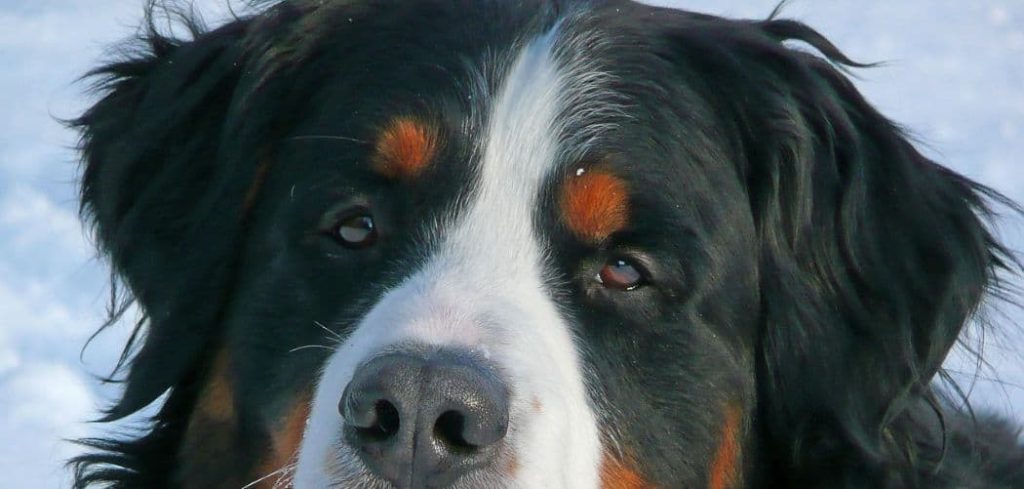
Most dogs that enjoy pooping in the snow are healthy, but you may notice several common behaviors:
Walking toward snowy areas before defecating
Sniffing the snow extensively
Circling before choosing a spot
Ignoring cleared sidewalks or bare ground
Normal stool consistency
Normal appetite
Normal energy level
Regular daily bowel movements
Dog Pooping in the Snow: Common Causes
Preference for a Cool Surface
Some dogs simply enjoy the feel of cool snow beneath their paws. Snow can be softer than frozen ground or icy pavement, making it a comfortable place to squat.
This preference is especially common in dogs that enjoy playing outdoors during winter.
Related: Dog pooping in the woods (Here’s Why)
Natural Scent Investigation
Snow traps scents from wildlife, other dogs, and the surrounding environment. Before defecating, many dogs spend time sniffing these odors as part of their normal bathroom routine.
This behavior is driven by their highly developed sense of smell and is perfectly normal.
Habit and Routine
Dogs often develop routines about where they like to eliminate. If your dog has spent several winters pooping in snowy areas, they may automatically seek out similar locations every time they go outside.
Once a habit is established, many dogs continue the behavior even when other suitable locations are available.
Related: Dog pooping in the toilet (Strange behavior explained)
Seeking Privacy
Snow-covered yards often include bushes, trees, or quiet corners that provide a sense of security while your dog is in a vulnerable position.
Dogs that are shy or easily distracted may prefer these more secluded areas over open spaces.
Scent Marking
Defecation is one way dogs leave scent information for other animals. Fresh snow provides an ideal surface for scent marking because odors remain concentrated and are easier for other dogs to detect.
This behavior is especially common in intact males but can occur in any dog.
Softer Ground Beneath the Snow
Even when the ground is frozen, snow may cushion the surface and make it easier for dogs with arthritis or joint pain to squat comfortably.
Senior dogs sometimes develop new preferences for softer terrain during the winter months.
Anxiety in Busy Areas
Some dogs avoid pooping near roads, sidewalks, or areas with heavy pedestrian traffic. Snow-covered corners of the yard or quieter walking trails may feel safer and less distracting.
You may also notice cautious body language, frequent scanning of the environment, or reluctance to eliminate in busy places.
Digestive or Mobility Problems
Less commonly, a sudden preference for pooping only in the snow may occur because your dog is experiencing discomfort when squatting on hard or icy ground. Arthritis, constipation, or other painful conditions may make them search longer for the most comfortable location.
If your dog is straining, crying, or taking much longer than usual to defecate, a veterinary examination is recommended.
Dog Pooping in the Snow: What to Do
If your dog enjoys pooping in the snow and is otherwise healthy, there is usually no reason to discourage the behavior. Simply make sure the area is safe and free of hazards such as ice, road salt, antifreeze, broken branches, or sharp objects hidden beneath the snow.
Always clean up after your dog, even during winter. Dog waste left under the snow will remain after it melts and can spread parasites, bacteria, and environmental contamination.
If your dog struggles to find a suitable snowy area, shovel a path through deep snow while leaving a small patch undisturbed. Many dogs appreciate having easy access to their preferred bathroom location.
Monitor your dog’s stool consistency and overall health. If they develop diarrhea, constipation, blood in the stool, vomiting, or reduced appetite, the problem is unlikely to be related to the snow itself and should be evaluated by your veterinarian.
Senior dogs or dogs with arthritis may benefit from cleared, non-slip walking paths that reduce the risk of slipping while still allowing access to comfortable bathroom areas.
Avoid rushing your dog during winter walks. Many dogs need extra time to sniff and choose the right location before they feel comfortable defecating.
When to Call or Visit the Vet
Choosing to poop in the snow is usually normal, but changes in bowel habits or signs of illness deserve veterinary attention.
Schedule an appointment if you notice:
Sudden changes in bathroom habits
Straining to pass stool
Constipation lasting more than two days
Diarrhea lasting more than two days
Mucus in the stool
Reduced appetite
Weight loss
Signs of pain while defecating
Seek emergency veterinary attention immediately if your dog develops:
Large amounts of blood in the stool
Severe diarrhea with repeated vomiting
Collapse or severe weakness
A swollen or painful abdomen
Continuous straining without producing stool
Black, tarry stools
Severe lethargy
Difficulty standing or walking
Dog Pooping in the Snow: Treatment
If your dog’s preference for pooping in the snow is accompanied by digestive symptoms or begins suddenly after years of normal behavior, your veterinarian will ask about changes in diet, bowel habits, activity level, and mobility.
A physical examination may include evaluating your dog’s abdomen, joints, spine, and overall mobility. Depending on the findings, your veterinarian may recommend fecal testing, blood work, X-rays, or abdominal ultrasound to investigate digestive or orthopedic conditions.
Treatment depends on the underlying cause. Healthy dogs with a simple preference for snow generally require no medical treatment. Dogs with constipation, arthritis, gastrointestinal disease, or other medical conditions will receive treatment tailored to their diagnosis.
Recovery and Monitoring
Dogs that simply enjoy pooping in the snow usually require no treatment and can continue the behavior safely throughout the winter.
If a medical condition is identified, recovery depends on the cause. Digestive disorders often improve with dietary adjustments and medication, while arthritis or chronic joint disease may require long-term pain management and lifestyle changes.
Continue monitoring your dog’s stool consistency, appetite, energy level, and ability to squat comfortably. If bowel habits change, straining develops, or additional symptoms appear, contact your veterinarian promptly.
As winter ends and the snow melts, many dogs naturally return to their usual bathroom locations without any intervention.
Key Takeaway
A dog pooping in the snow is usually displaying a normal preference rather than a medical problem. Many dogs are attracted to snowy areas because of the interesting scents, soft surface, privacy, or simple habit developed during winter walks.
However, if your dog suddenly refuses to poop anywhere else, struggles to pass stool, develops diarrhea, or shows signs of pain, an underlying health condition should be considered. Careful observation and prompt veterinary care when needed can help ensure your dog stays healthy throughout the winter season.
With regular monitoring, safe outdoor conditions, and attention to any changes in bowel habits, most dogs can continue enjoying their snowy bathroom routine without cause for concern.


