
Finding bloody mucus in your dog’s stool is alarming on its own, but when it is combined with a loss of appetite, it becomes even more concerning.
This looks like a dog straining to poop, passing mucus-covered stool streaked with blood, and then refusing food shortly afterward.
Understanding why a dog is pooping bloody mucus and not eating can help to recognize when veterinary attention is needed and what treatment options may be available.
Table of Contents
Dog Pooping Bloody Mucus and Not Eating: Why It Happens
A dog pooping bloody mucus and not eating may happen because of colitis, intestinal infections, parasites, dietary indiscretion, inflammatory bowel disease, hemorrhagic gastroenteritis, or other conditions affecting the digestive tract.
The intestines normally produce a small amount of mucus to help stool pass smoothly through the digestive tract. When the colon becomes irritated or inflamed, mucus production often increases dramatically.
The inflamed intestinal lining may also bleed, resulting in bloody mucus appearing in the stool.
Loss of appetite often occurs because the dog feels nauseated, uncomfortable, or ill. The combination of bloody mucus and refusing food should always be monitored closely.
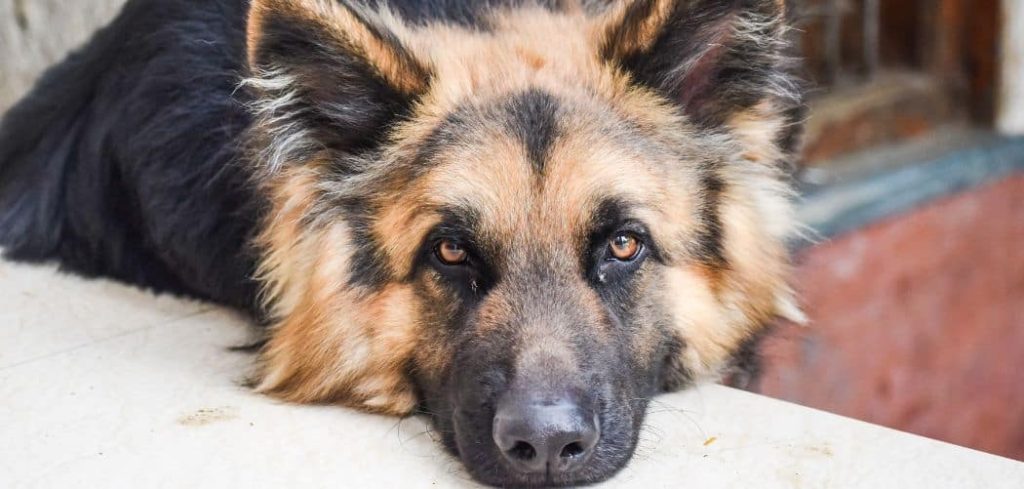
Symptoms may include:
Bloody mucus in the stool
Diarrhea
Straining to poop
Loss of appetite
Vomiting
Lethargy
Abdominal discomfort
Frequent bowel movements
Dog Pooping Bloody Mucus and Not Eating: Common Causes
Colitis
Colitis is one of the most common causes of bloody mucus in a dog’s stool.
The colon becomes inflamed and irritated, leading to excessive mucus production and bleeding from the intestinal lining. Dogs with colitis often pass small amounts of stool frequently and may strain repeatedly during bowel movements.
The blood associated with colitis is usually bright red because it originates from the lower digestive tract. Mucus may coat the stool or appear separately.
Loss of appetite often develops because intestinal inflammation causes discomfort and nausea. Some dogs become lethargic and prefer to rest rather than eat or play.
Colitis can develop after dietary indiscretion, stress, bacterial infections, parasites, or food sensitivities. While some cases resolve quickly, chronic or recurring colitis may require more extensive investigation.
Read more: Dog pooping bloody mucus but acting normal (Here’s why)
Dietary Indiscretion
Dogs frequently develop digestive upset after eating something they should not.
Garbage, spoiled food, table scraps, excessive treats, or sudden dietary changes can irritate the digestive tract. This irritation may lead to inflammation of the colon, resulting in bloody mucus and diarrhea.
Many dogs lose their appetite because the digestive system becomes inflamed and uncomfortable. Nausea, vomiting, stomach noises, and abdominal discomfort are also common.
Some dogs recover within a day or two with supportive care, while others develop more severe gastrointestinal inflammation that requires veterinary treatment.
Because dietary indiscretion can sometimes lead to more serious conditions such as pancreatitis or intestinal obstruction, persistent symptoms should never be ignored.
Intestinal Parasites
Parasites are a common cause of bloody mucus in stool, particularly in puppies and dogs that are not on regular parasite prevention.
Whipworms, hookworms, Giardia, and other intestinal parasites can damage the intestinal lining and trigger inflammation. The resulting irritation often causes diarrhea, mucus production, and visible blood in the stool.
As the infection progresses, dogs may lose their appetite and become lethargic. Weight loss and poor body condition can also develop over time.
Some parasite infections cause mild symptoms, while others can become severe, especially in young, elderly, or immunocompromised dogs.
Fortunately, most parasitic infections can be diagnosed through fecal testing and treated effectively with appropriate medications.
Bacterial or Viral Infections
Infectious diseases affecting the digestive tract often cause bloody diarrhea and appetite loss.
Bacterial infections such as Salmonella, Clostridium, and Campylobacter can inflame the intestines and trigger significant gastrointestinal symptoms. Viral diseases may produce similar effects.
The inflamed intestinal lining may bleed, causing mucus mixed with fresh blood to appear in the stool. Dogs often become lethargic, refuse food, and may develop vomiting or fever.
Young puppies are particularly vulnerable to severe infections. Certain viral diseases can become life-threatening if not treated promptly.
Because infectious diseases can progress rapidly, veterinary evaluation is important whenever bloody stool and appetite loss occur together.
Read more: Dog pooping mucus and diarrhea (Causes and treatment)
Inflammatory Bowel Disease (IBD)
Inflammatory bowel disease is a chronic condition involving ongoing inflammation within the digestive tract.
Dogs with IBD often experience recurring episodes of diarrhea, mucus-covered stools, vomiting, and reduced appetite. During flare-ups, the inflamed intestines may bleed, causing bloody mucus to appear.
The condition develops gradually in many dogs and often follows a pattern of improvement and relapse.
Some dogs maintain a reasonable appetite between episodes, while others experience chronic eating difficulties.
Weight loss is common when inflammation interferes with nutrient absorption.
Although IBD is usually not curable, many dogs can be managed successfully through dietary modifications, medications, and ongoing veterinary care.
Hemorrhagic Gastroenteritis
Hemorrhagic gastroenteritis, now often called acute hemorrhagic diarrhea syndrome (AHDS), is a potentially serious condition that causes sudden gastrointestinal bleeding.
Affected dogs often develop large amounts of bloody diarrhea, frequently mixed with mucus. Appetite loss is common and may be accompanied by vomiting, lethargy, and dehydration.
Symptoms often appear suddenly in dogs that seemed completely healthy only hours earlier. The exact cause remains unclear, although bacterial toxins, stress, and immune system factors may play a role.
Because dehydration can develop rapidly, veterinary treatment is often necessary. Many dogs recover well when treatment is started promptly.
Intestinal Obstruction
An intestinal blockage can sometimes cause bloody mucus and refusal to eat.
Dogs frequently swallow foreign objects such as toys, socks, rocks, bones, or pieces of fabric.
When these objects become lodged within the digestive tract, inflammation and injury can occur.
Affected dogs often lose their appetite and may develop vomiting, abdominal pain, lethargy, and abnormal bowel movements. Bloody mucus may appear if the intestinal lining becomes damaged.
Some blockages cause partial symptoms initially before progressing to a complete obstruction.
Because intestinal obstructions can become life-threatening, immediate veterinary attention is required whenever they are suspected.
Dog Pooping Bloody Mucus and Not Eating: What to Do
If your dog is pooping bloody mucus and not eating, monitor symptoms carefully and contact your veterinarian. Also:
Ensure access to fresh water.
Monitor stool frequency and appearance.
Watch for vomiting.
Record appetite changes.
Prevent access to garbage and table scraps.
Keep a sample of the stool if possible.
Contact your veterinarian promptly.
Do not attempt to treat severe bloody diarrhea at home without veterinary guidance.
When to Call or Visit the Vet
Bloody mucus combined with appetite loss should always be taken seriously.
Seek veterinary care if your dog has:
Bloody mucus in multiple bowel movements
Refuses food for more than 24 hours
Vomiting
Severe diarrhea
Lethargy
Weight loss
Signs of abdominal pain
Dehydration
Fever
Seek emergency care immediately if your dog collapses, becomes extremely weak, or produces large amounts of blood in the stool.
Dog Pooping Bloody Mucus and Not Eating: Treatment
Veterinary assessment includes a physical examination and a detailed review of your dog’s symptoms.
Diagnostic testing may include fecal examinations, blood work, parasite screening, abdominal X-rays, ultrasound, and specialized gastrointestinal testing.
These tests help determine whether the cause is infectious, inflammatory, parasitic, dietary, or structural.
Treatment depends on the diagnosis. Some dogs require dietary management and medications to reduce inflammation.
Others may need fluids, antibiotics, anti-nausea medications, deworming treatments, or hospitalization.
Dogs with intestinal obstructions may require surgery.
Recovery and Monitoring
Recovery varies depending on the underlying cause. Mild cases of colitis or dietary indiscretion may improve within a few days.
Chronic conditions such as inflammatory bowel disease may require long-term management.
More severe illnesses, such as hemorrhagic gastroenteritis or intestinal obstruction, often require intensive treatment and monitoring.
During recovery, monitor stool consistency, appetite, hydration, energy levels, and any recurrence of bloody mucus.
Follow-up veterinary visits may be necessary to ensure the digestive tract is healing properly and that treatment remains effective.
Key Takeaway
Dog pooping bloody mucus and not eating is often a sign of inflammation or irritation within the digestive tract.
Common causes include colitis, dietary indiscretion, parasites, infections, inflammatory bowel disease, hemorrhagic gastroenteritis, and intestinal obstruction.
Because appetite loss suggests that your dog is feeling unwell, these symptoms should never be ignored.
Persistent bloody mucus, vomiting, lethargy, dehydration, or worsening diarrhea warrant prompt veterinary attention.
The good news is that many causes can be treated successfully once identified. A veterinary examination can help determine the underlying problem and provide the best path toward recovery and improved digestive health.


