
Panting is a normal way for dogs to cool themselves in hot weather, but excessive or persistent panting should never be ignored.
Unlike people, dogs cannot sweat over most of their bodies and rely primarily on panting to release excess body heat.
While mild panting after exercise or on a warm day is expected, heavy panting that continues after your dog has rested or is accompanied by other symptoms may indicate heat exhaustion or another underlying medical condition.
Recognizing when panting is normal and when it signals an emergency is essential for your dog’s safety.
Table of Contents
Dog Panting in Hot Weather: Why It Happens
A dog panting in hot weather may simply be cooling down, but it can also be caused by heat exhaustion, heatstroke, dehydration, heart disease, respiratory disease, obesity, pain, or anxiety. Some dogs may also drool excessively, become restless, cough, refuse food, or appear weak.
Panting causes evaporation from the tongue and airways which helps remove excess body heat. As temperatures rise, panting becomes faster and deeper to improve cooling.
However, if the body cannot release heat efficiently, body temperature continues to increase, placing stress on the heart, lungs, and other organs.
Dogs with underlying medical conditions often pant more heavily because they cannot tolerate heat as well as healthy dogs.
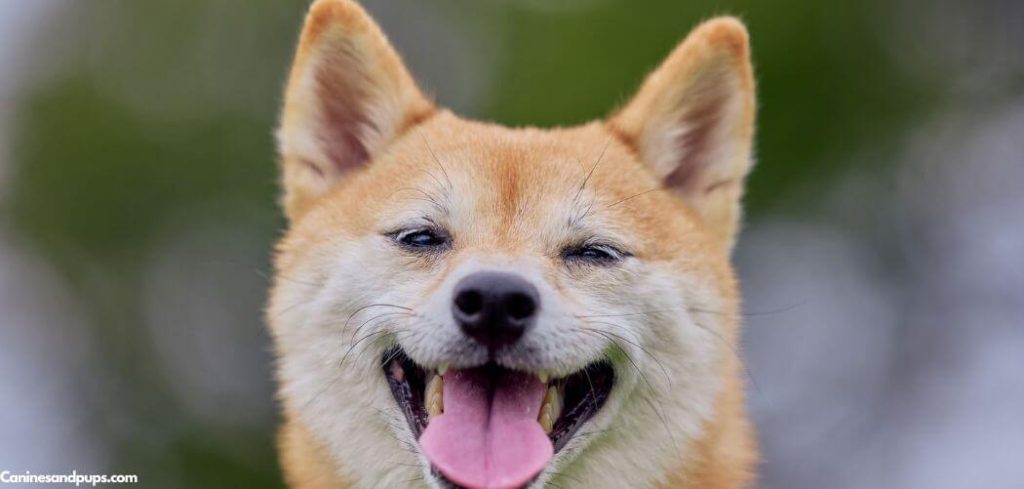
Do Dogs Pant in Hot Weather?
Yes, dogs naturally pant in hot weather to cool themselves down. Unlike humans, dogs have very few sweat glands and rely primarily on panting to release excess body heat.
Mild to moderate panting after spending time outdoors or in warm temperatures is normal, especially after exercise.
However, excessive or persistent panting that does not improve after your dog has cooled down may indicate overheating, heat exhaustion, pain, or an underlying medical condition.
Is It Normal for Dogs to Pant a Lot When It’s Hot?
Yes, it is normal for dogs to pant more when it’s hot, as panting is their primary way of regulating body temperature.
The amount of panting depends on factors such as the temperature, humidity, your dog’s activity level, age, breed, and overall health.
Flat-faced breeds, overweight dogs, puppies, and senior dogs often pant more because they have greater difficulty cooling themselves.
If panting becomes severe, is accompanied by drooling, weakness, vomiting, or difficulty breathing, it may be a sign of heatstroke and requires immediate veterinary care.
Read more: Dog Diarrhea in Hot Weather (Why it happens)
Dog Panting in Hot Weather: Signs
Depending on the underlying cause, your dog may also experience:
Heavy or rapid panting
Excessive drooling
Bright red gums
Restlessness
Increased thirst
Lethargy
Weakness
Difficulty breathing
Dog Panting in Hot Weather: Common Causes
Normal Cooling Response
The most common reason dogs pant in hot weather is simply to regulate their body temperature. Panting is a normal thermoregulatory mechanism that allows dogs to maintain a safe body temperature when environmental temperatures increase.
After spending time outdoors or exercising, healthy dogs often pant until they have cooled down.
Normal panting gradually slows once your dog rests in a cool environment and drinks water. Your dog should remain bright, alert, and interested in food and normal activities.
If panting quickly settles after cooling down, it is usually a normal physiological response.
Heat Exhaustion
Heat exhaustion occurs when normal panting is no longer enough to keep body temperature under control. This is one of the most common reasons for excessive panting during hot weather.
Heavy panting is one of the earliest warning signs of heat-related illness, and affected dogs should be moved to a cool area immediately.
Dogs often drool heavily, become restless, refuse food, vomit, develop diarrhea, or appear weak. Without immediate treatment, heat exhaustion can progress to life-threatening heatstroke.
Immediate veterinary treatment may include controlled cooling, intravenous fluids, oxygen therapy, and monitoring for complications.
Heatstroke
Heatstroke is a medical emergency that develops when body temperature rises to dangerous levels. Excessive panting is usually one of the earliest warning signs before collapse occurs.
Affected dogs may have bright red or pale gums, severe weakness, vomiting, diarrhea, seizures, confusion, or loss of consciousness.
Emergency veterinary care is critical because heatstroke can rapidly cause organ failure and death if left untreated.
Dehydration
Dogs lose large amounts of water through panting. If they cannot replace these fluids, dehydration develops, making panting even more pronounced.
Other signs include dry gums, sunken eyes, increased heart rate, weakness, and poor skin elasticity.
Treatment focuses on restoring hydration and addressing the underlying cause of excessive fluid loss.
Maintaining hydration is essential for normal temperature regulation.
Heart Disease
Dogs with heart disease often pant excessively during warm weather because the cardiovascular system works harder to regulate body temperature.
Cardiovascular disease can reduce a dog’s ability to tolerate heat.
Affected dogs may also cough, tire easily, breathe rapidly at rest, or collapse during exercise. Senior dogs are particularly at risk.
Diagnosis usually includes chest X-rays, echocardiography, electrocardiography, and blood pressure measurement.
Respiratory Disease
Conditions such as chronic bronchitis, collapsing trachea, laryngeal paralysis, and brachycephalic airway syndrome reduce airflow through the respiratory tract. Hot weather further increases breathing effort.
VCA Animal Hospitals explains that respiratory disorders commonly worsen during exercise and warm temperatures.
Dogs may pant heavily, cough, wheeze, make noisy breathing sounds, or struggle during exercise.
Treatment depends on the underlying respiratory disorder and may include medication, weight management, or surgery.
Obesity
Overweight dogs retain more body heat and have greater difficulty cooling themselves during warm weather. Even mild exercise can trigger excessive panting.
Obese dogs are also at significantly greater risk of heat exhaustion and heatstroke than dogs at a healthy body weight.
Weight management, appropriate exercise, and avoiding heat exposure greatly reduce this risk.
Pain or Anxiety
Pain, stress, or anxiety can increase panting, particularly during hot weather when dogs are already trying to cool themselves.
Dogs may pace, whine, tremble, hide, or appear unable to settle comfortably. Heat can worsen discomfort caused by arthritis or other painful conditions.
Your veterinarian will investigate and treat the underlying cause of the abnormal panting.
Brachycephalic Breeds
Flat-faced breeds such as Bulldogs, Pugs, Boston Terriers, and French Bulldogs have naturally narrowed airways, making it much harder for them to cool themselves through panting.
Dogs with brachycephalic airway syndrome are at significantly greater risk of overheating because airflow is restricted even under normal conditions.
Dog Panting All Day in Hot Weather
A dog that pants throughout the day in hot weather may simply be trying to stay cool, but continuous panting should not be ignored.
Prolonged panting can indicate that your dog is struggling to regulate its body temperature, particularly if the environment remains hot and humid.
Ensure your dog has constant access to fresh water, shade, and a cool, well-ventilated area.
If panting continues despite cooling measures or is accompanied by lethargy, collapse, or pale or bright red gums, seek veterinary attention immediately.
Dog Panting in Hot Weather at Night
Dogs may continue panting at night if the temperature remains high or the indoor environment is warm and poorly ventilated.
Heat retained in buildings can make it difficult for dogs to cool down, causing restlessness and heavy breathing while trying to sleep.
Providing air conditioning, fans, cooling mats, or a cool tiled floor can improve comfort.
If your dog pants heavily at night even in a cool environment, or develops coughing, breathing difficulty, or weakness, a veterinarian should evaluate them for underlying heart, lung, or other health conditions.
Read more: Dog Not Eating in Hot Weather (Here’s why)
Old Dog Panting in Hot Weather
Senior dogs are more sensitive to hot weather because aging can reduce their ability to regulate body temperature.
Older dogs with heart disease, respiratory conditions, arthritis, obesity, or hormonal disorders may pant more than younger dogs in warm conditions.
Keep your senior dog indoors during the hottest parts of the day, provide plenty of fresh water, and avoid strenuous exercise in hot weather.
Persistent or heavy panting, especially when resting or after cooling down, should be assessed by a veterinarian.
Puppy Panting in Hot Weather
Puppies may pant more in hot weather because their bodies are less efficient at regulating temperature than adult dogs.
Mild panting after play or brief exposure to warm conditions is normal, but puppies can overheat quickly and are at greater risk of dehydration and heatstroke.
Keep your puppy in a cool environment, provide fresh water at all times, and avoid outdoor activity during peak heat.
If your puppy pants excessively, becomes weak, vomits, or appears disoriented, seek veterinary care immediately.
Dog Panting in Hot Weather: What to Do
Move your dog into a cool, shaded, or air-conditioned area as soon as you notice excessive panting. Offer plenty of fresh, cool drinking water and allow your dog to rest quietly.
Avoid walks, running, or play during the hottest parts of the day, and instead exercise your dog early in the morning or later in the evening when temperatures are lower.
Watch your dog’s breathing carefully. Normal panting should gradually improve after cooling down. If the panting continues, becomes more severe, or your dog develops weakness, vomiting, diarrhea, or difficulty breathing, contact your veterinarian immediately.
Never leave your dog in a parked car, even for a few minutes, and avoid cooling an overheated dog with ice-cold water, as rapid cooling may cause additional complications.
When to Call or Visit the Vet
Panting that does not improve after cooling down should always be evaluated by a veterinarian.
Schedule an appointment if you notice:
Panting lasting longer than 30 to 60 minutes after resting
Panting that occurs with minimal activity
Mild coughing
Reduced appetite
Increased thirst
Exercise intolerance
Repeated episodes during warm weather
Mild lethargy
Seek emergency veterinary attention immediately if your dog develops:
Suspected heatstroke
Difficulty breathing
Collapse or inability to stand
Bright red, blue, gray, or pale gums
Continuous excessive panting
Vomiting or diarrhea with overheating
Seizures
Loss of consciousness
Dog Panting in Hot Weather: Treatment
Veterinary assessment includes a physical examination and diagnostic testing. Diagnostic testing may include blood work, chest X-rays, heart evaluation, oxygen level assessment, urinalysis, or additional tests depending on the suspected cause.
Treatment may include controlled cooling, intravenous fluids, oxygen therapy, medications for heart or respiratory disease, pain relief, hospitalization for heatstroke, or other supportive care.
Recovery and Monitoring
Recovery depends on the underlying cause. Healthy dogs with normal heat-related panting usually recover quickly once cooled, while dogs with heat exhaustion, heatstroke, heart disease, or respiratory disorders may require longer treatment and close monitoring.
Monitor your dog’s breathing, appetite, activity level, hydration, and body temperature during hot weather. Keep your dog indoors during periods of extreme heat, provide unlimited access to fresh water, and follow your veterinarian’s recommendations carefully.
Contact your veterinarian if excessive panting returns repeatedly, your dog develops coughing, vomiting, diarrhea, weakness, or difficulty breathing, or if the panting does not improve after cooling down.
Key Takeaway
A dog panting in hot weather is often displaying a normal cooling response, but excessive or persistent panting can also indicate heat exhaustion, heatstroke, dehydration, heart disease, respiratory disease, obesity, pain, or anxiety.
Knowing when panting is normal and when it becomes excessive can help prevent life-threatening complications.
Early veterinary evaluation is recommended whenever panting does not improve after cooling or is accompanied by other concerning symptoms.
If your dog develops difficulty breathing, collapse, seizures, bright red or pale gums, continuous excessive panting, or signs of heatstroke, seek emergency veterinary care immediately. Early treatment gives your dog the best chance of a full recovery.


