
Seeing your dog pant with their tongue hanging out can be alarming, especially if it happens frequently or without any apparent reason.
Panting with the tongue out may indicate normal cooling behavior or potential health concerns.
Table of Contents
Dog Panting and Tongue Out Why It Happens
Dog panting with the tongue out is a normal cooling mechanism, but when it seems excessive or unusual, it may suggest overheating, dehydration, or respiratory strain.
Dogs with long tongues or flat faces (like pugs and bulldogs) may pant this way more often.
However, if it comes with drooling, weakness, or collapse, it could indicate heatstroke or another urgent condition.
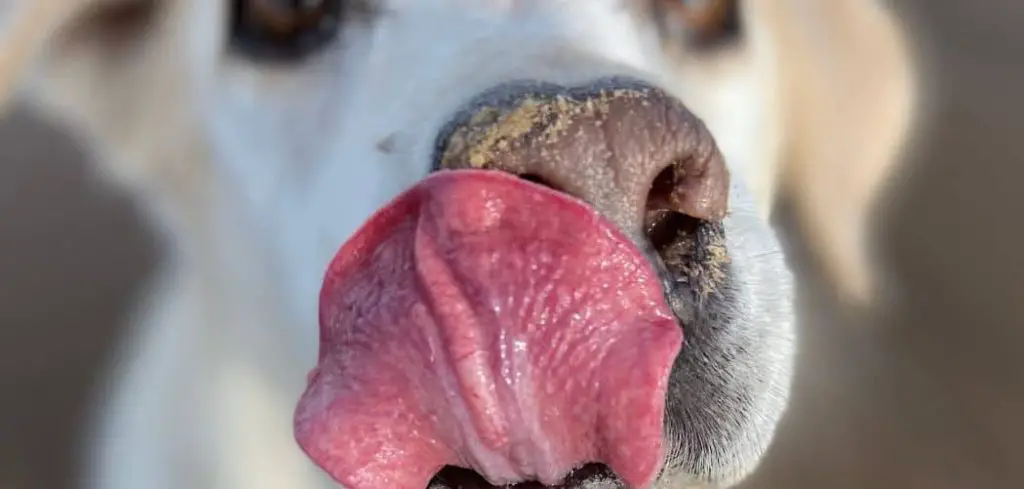
Dog Panting and Tongue Out Suddenly
Sudden panting with the tongue hanging out can be a normal response to heat, excitement, stress, or recent activity.
Dogs use panting to regulate body temperature, so they may open their mouths wide and extend their tongues when they need to cool down.
However, if the behavior starts without an obvious trigger or seems excessive, it may also indicate pain, fever, anxiety, or an underlying medical issue.
If the panting does not settle with rest or occurs repeatedly without a clear reason, it should be monitored closely, especially if other symptoms appear.
Dog Panting and Tongue Out: Common Causes
Heat and Overheating
Dogs often pant with their tongue out to regulate body temperature. Unlike humans, dogs rely on panting rather than sweating to cool down.
Hot environments, excessive sun exposure, or heavy bedding can trigger this behavior, especially during summer nights or after exercise.
Watch for other signs such as drooling, restlessness, reddened gums, or a rapid heartbeat.
Providing a cool environment, access to water, and ventilation helps your dog maintain a safe body temperature while preventing heat-related stress.
Read more: Dog Panting and Purple Tongue (What it means)
Excitement or Physical Activity
Panting with the tongue out can also be a normal response to excitement or recent activity. Dogs often exhibit this behavior after playing, running, or greeting their owners.
You may notice wagging tails, bright eyes, and an eager demeanor alongside panting.
This type of panting is usually temporary and resolves once the dog rests and recovers from physical exertion.
Pain or Discomfort
Dogs experiencing pain may pant with their tongue out intermittently. Pain can stem from injuries, joint issues, arthritis, or internal discomfort. Panting serves as a response to stress or discomfort and may increase when lying down or shifting positions.
Other signs can include whining, reluctance to move, changes in appetite, or altered posture.
Veterinary evaluation is crucial for identifying the underlying cause and providing appropriate pain relief.
Heart and Respiratory Conditions
Heart disease or respiratory disorders can lead to panting with the tongue out.
Dogs with congestive heart failure, heart murmurs, or lung problems may have difficulty breathing and pant more frequently, sometimes displaying their tongue prominently as they try to take in more oxygen.
Watch for coughing, exercise intolerance, rapid breathing, or fainting. Early veterinary assessment and treatment help prevent serious complications.
Stress
Stress and anxiety can cause panting accompanied by the tongue sticking out.
Separation anxiety, fear of loud noises, or unfamiliar environments can trigger intermittent panting, often worsened during nighttime or stressful situations.
Signs may include pacing, trembling, whining, or clinging behavior. Creating a calm environment, using pheromone diffusers, or engaging in positive reinforcement training can reduce anxiety-induced panting.
Fever or Infection
Fever and infections may cause dogs to pant with their tongue out. Elevated body temperature prompts panting as a cooling mechanism.
Infections such as respiratory illnesses, urinary tract infections, or systemic illnesses can also trigger this behavior.
Additional symptoms may include lethargy, reduced appetite, nasal discharge, or vomiting. Veterinary diagnosis ensures timely treatment and prevents worsening of the condition.
Oral or Dental Issues
Dental pain or oral discomfort can make a dog pant with their tongue out. Issues like tooth infections, gum disease, or oral sores can cause discomfort, prompting the dog to keep their mouth open or tongue protruding.
Other signs include drooling, difficulty eating, bad breath, or pawing at the mouth.
Regular dental care and veterinary evaluation are essential for maintaining oral health and alleviating pain.
Medications
Certain medications or hormonal disorders may contribute to panting with the tongue out.
Dogs taking medications for pain, heart disease, or anxiety may experience changes in breathing patterns.
Hormonal conditions such as Cushing’s disease or thyroid imbalances can also influence respiratory and stress responses.
Signs include increased thirst, urination, weight changes, or coat alterations. Professional assessment ensures proper treatment while minimizing side effects.
Dog Panting and Tongue Out and Shaking
When panting and tongue protrusion occur together with shaking, it often suggests the dog is experiencing distress, pain, anxiety, fever, low blood sugar, toxin exposure, or another systemic issue.
Shaking may indicate that the body is under stress, while panting reflects increased effort to regulate temperature or breathing.
This combination is more concerning than panting alone. If it is sudden, severe, or persistent, veterinary attention is needed, as it may indicate a serious underlying condition.
Dog Panting and Tongue Out at Night
Panting at night with the tongue out may be caused by overheating, anxiety, pain, or respiratory or heart-related issues.
Some dogs also pant at night due to discomfort from arthritis or digestive upset that becomes more noticeable when lying down.
In older dogs, nighttime panting can sometimes be an early sign of heart disease or cognitive dysfunction.
If nighttime panting is frequent or disrupts sleep, it should be evaluated, especially if accompanied by coughing, restlessness, or difficulty settling.
Dog Panting and Tongue Out After Eating
Panting after eating may occur if the dog eats too quickly, experiences mild stomach discomfort, or becomes slightly overheated during or after meals.
Some dogs also pant after eating due to excitement or mild nausea. In most cases, this is temporary and resolves on its own.
However, repeated panting after meals could indicate digestive sensitivity, bloating risk, or other gastrointestinal issues, and should be monitored if it becomes a pattern.
Dog Panting and Tongue Out When Excited
Excitement can naturally cause a dog to pant with its tongue out due to increased heart rate and adrenaline release.
This is common during play, greetings, walks, or when anticipating rewards. The behavior is usually harmless and stops once the dog calms down.
If excitement panting becomes extreme or is difficult to settle, it may suggest underlying anxiety or reduced fitness, especially in older or overweight dogs.
Dog Panting and Tongue Out When Sleeping
Panting during sleep is not typical and may indicate overheating, pain, respiratory difficulty, or heart-related issues.
While dogs may occasionally breathe more heavily during dreaming phases, consistent panting while asleep is unusual and may signal that the dog is not fully comfortable or is struggling with internal stress.
If this happens frequently or is paired with restlessness, coughing, or night waking, veterinary evaluation is needed.
Dog Tongue Hanging Out The Side and Panting
A tongue hanging out to one side while panting can be normal in relaxed or overheated dogs, especially after exercise or during warm weather.
However, it can also occur due to dental disease, jaw weakness, neurological issues, or facial nerve problems that affect tongue control.
If the tongue position appears abnormal, persistent, or accompanied by drooling or difficulty eating, it should be checked by a veterinarian.
Old Dog Tongue Hanging Out
In older dogs, a tongue hanging out can result from dental disease, missing teeth, muscle weakness, neurological decline, or simply relaxed jaw tone.
Some senior dogs develop a “hanging tongue syndrome,” where the tongue no longer stays fully inside the mouth. While this can be harmless in some cases, it may also reflect underlying oral or neurological conditions.
If this is a new change, or if the dog has difficulty eating or excessive drooling, a veterinary check is necessary.
Puppy With Tongue Sticking Out
A puppy sticking its tongue out is often normal and can happen during play, excitement, teething, or relaxation.
Puppies explore their environment with their mouths, and tongue protrusion can be part of normal development and behavior. Mild panting with tongue out is also common after activity.
However, if it occurs constantly or is paired with drooling, weakness, or difficulty eating, it should be evaluated to rule out oral or developmental issues.
Dog Panting and Tongue Out: What to Do
Ensure your dog has a cool, comfortable place to rest with easy access to fresh water. Monitor when panting occurs, noting time, duration, and accompanying behaviors, which can help your veterinarian identify patterns.
Maintain a consistent daily routine to reduce anxiety and provide opportunities for physical activity to release pent-up energy. Gentle exercise, calming routines, and environmental enrichment can prevent stress-related panting.
Check for any oral discomfort or dental issues by observing your dog’s eating habits and mouth health. If panting seems linked to pain or discomfort, schedule a veterinary appointment for assessment.
If panting persists despite these measures, particularly alongside other concerning signs, seek veterinary guidance to rule out medical conditions such as heart, respiratory, or hormonal disorders.
When to Call or Visit Your Vet
Seek veterinary attention immediately if your dog exhibits:
Persistent or labored panting with tongue out
Weakness, fainting, or disorientation
Bluish or pale gums, or rapid heartbeat
Vomiting, diarrhea, or refusal to eat
Signs of pain or sudden distress
Suspected heatstroke or ingestion of toxins
Prompt veterinary evaluation ensures that serious health issues are detected and treated early.
Read more: Dog Tongue Out and Not Eating (Here’s why)
Dog Panting and Tongue Out: Treatment
Treatment depends on the cause of the panting. If it is due to heat or exertion, cooling the dog, providing water, and resting in a calm environment is usually enough. If stress or anxiety is the cause, reducing triggers and providing a safe, quiet space can help.
However, if panting is caused by pain, fever, heart disease, respiratory problems, or neurological conditions, veterinary diagnosis and treatment are required.
The veterinarian may perform physical exams, blood tests, imaging, or heart and lung evaluations to identify the underlying issue.
Treatment may include medications, lifestyle changes, or management of chronic conditions. Persistent or unexplained panting should always be taken seriously.
Key Takeaway
Panting with the tongue out is often a normal cooling behavior or response to excitement, but it can also indicate pain, anxiety, infections, oral issues, or cardiovascular problems.
Monitoring your dog’s environment, behavior, and health, alongside regular veterinary checkups, helps ensure that panting remains safe and normal.
By identifying triggers and addressing underlying causes, you can help your dog stay comfortable and healthy.


