
A dog that only throws up kibble may appear completely normal at other times, especially if it continues eating, drinking, and behaving normally between episodes.
The kibble may come back up whole or only partly digested, sometimes mixed with liquid, foam, mucus, or bile.
The fact that kibble is involved does not necessarily mean the food itself is the problem. The timing of the episode and whether the dog is actually vomiting or simply regurgitating the food are important clues.
Table of Contents
Dog Only Throws Up Kibble: Why It Happens
A dog may only throw up kibble because the dry food is being eaten too quickly, the meal is too large, the particular food does not agree with the dog, or the kibble is irritating an already sensitive stomach.
Dogs that gulp their food may bring up recognizable pieces of kibble soon after eating. A sudden change to a new kibble can also cause digestive upset.
If vomiting occurs repeatedly with one particular food but not with other foods, discuss the diet with a veterinarian before making major dietary changes.
Vomiting undigested food soon after eating can sometimes be regurgitation rather than vomiting, particularly when there is little abdominal effort, and recurrent regurgitation may indicate an esophageal problem that requires examination.
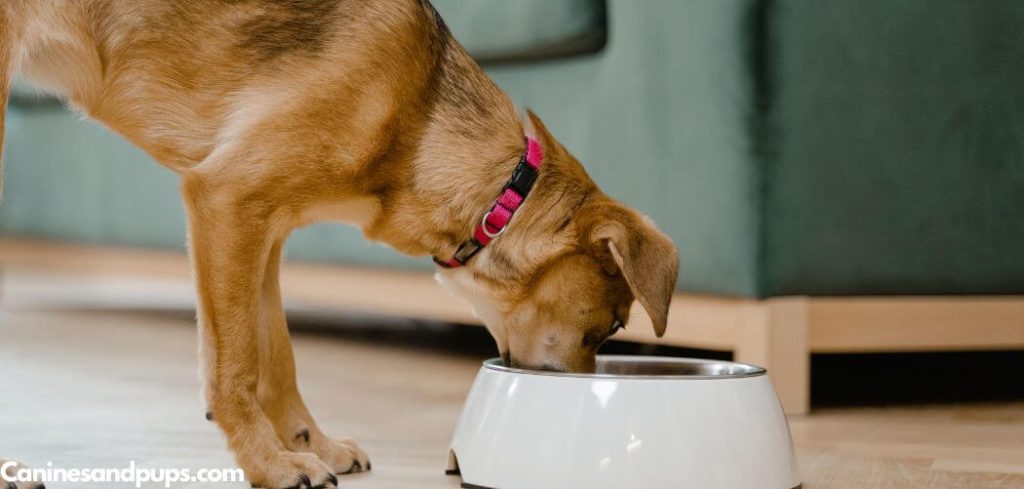
Dog Only Throwing Up Kibble: Common Causes
Eating Kibble Too Quickly
Some dogs eat dry food extremely quickly, swallowing large amounts with little chewing. This can contribute to digestive upset and may also make regurgitation more likely.
If the problem consistently occurs when the dog eats rapidly but not when eating more slowly, the eating pattern may be relevant.
However, recurring episodes should not automatically be attributed to fast eating.
Related: Dog suddenly vomiting white foam (Causes and when to worry)
Eating Too Much Kibble at Once
A large meal can be harder for some dogs to tolerate than smaller portions. A dog may vomit after eating a particularly large serving while remaining normal between meals.
If the dog repeatedly vomits after normal portions, however, the problem deserves further investigation rather than simply assuming that the serving is too large.
Kibble Does Not Agree With the Dog
A dog may develop digestive upset after a change in food, a new formula, a new protein source, or another dietary change.
Food intolerance can cause gastrointestinal signs, although vomiting alone cannot establish that a particular ingredient is responsible.
If vomiting started around the same time as a food change, that history is useful for the veterinarian.
Gastritis or Stomach Irritation
Gastritis is inflammation of the stomach and can cause vomiting that contains recently eaten food.
It may occur after dietary indiscretion, eating irritating material, certain medications, infections, parasites, toxins, or other illnesses.
A dog with gastritis may also develop reduced appetite, abdominal discomfort, diarrhea, excessive thirst, or lethargy.
Gastroenteritis
Inflammation of the stomach and intestines can cause vomiting and diarrhea. Gastroenteritis may be associated with infections, parasites, medications, or dietary changes.
The vomit may contain food, foam, liquid, or bile. Some dogs remain fairly normal between episodes, particularly when the illness is mild.
Related: Dog Only Throws Up After Eating (Here’s why)
Regurgitation Rather Than Vomiting
If whole or largely undigested kibble comes back up shortly after eating without retching or forceful abdominal contractions, the episode may be regurgitation rather than vomiting.
Regurgitation occurs when swallowed material returns from the esophagus. It is often passive and may happen soon after eating or drinking.
This distinction matters because repeated regurgitation can indicate an esophageal disorder rather than a stomach problem.
Esophageal Disease
Problems affecting the esophagus can prevent food from moving normally into the stomach.
Megaesophagus, esophageal inflammation, strictures, foreign objects, and other disorders can cause recurrent regurgitation.
Dogs with esophageal disease may bring up undigested kibble shortly after eating and may also have difficulty swallowing, drooling, coughing, or weight loss.
A dog that repeatedly regurgitates food should be evaluated because inhaling regurgitated material can lead to respiratory complications.
Delayed Stomach Emptying
Food normally moves from the stomach into the small intestine after eating. If stomach emptying is delayed, food can remain in the stomach for longer than expected and eventually be vomited.
Some disorders affecting the stomach outlet can cause dogs to vomit food several hours after a meal.
The difference between kibble coming back up immediately and being vomited several hours later can therefore be an important diagnostic clue.
Gastrointestinal Foreign Body or Obstruction
Dogs can swallow pieces of toys, bones, clothing, bedding, or other objects. A foreign body can interfere with the normal movement of food through the stomach or intestines and cause vomiting.
Obstruction may also cause abdominal pain, reduced appetite, lethargy, dehydration, or changes in bowel movements.
A partial obstruction may cause intermittent symptoms, so a dog that seems normal between episodes is not necessarily free of risk.
Pancreatitis
Pancreatitis can cause vomiting and may occur with abdominal pain, decreased appetite, weakness, dehydration, or diarrhea.
A dog vomiting kibble does not automatically have pancreatitis. The possibility becomes more important when vomiting is repeated or accompanied by obvious pain or other signs of illness.
Parasites
Intestinal parasites can cause vomiting and other gastrointestinal symptoms. Some dogs may have intermittent rather than constant signs.
Parasites may be considered when vomiting continues or occurs with diarrhea, weight loss, appetite changes, or other digestive abnormalities. A veterinarian may recommend fecal testing as part of the evaluation.
Other Medical Conditions
Vomiting can sometimes occur because of disease outside the digestive tract. Kidney disease, liver disease, pancreatitis, nervous-system disorders, and ingestion of irritating substances or toxins can all cause vomiting.
These possibilities become more important when a dog that vomits kibble also develops weight loss, weakness, lethargy, changes in thirst or urination, or other persistent symptoms.
Related: Dog suddenly not eating and vomiting (Causes and what to do)
Dog Throws Up Whole Kibble
Whole kibble in the material brought up does not automatically mean the dog has a food allergy or that the kibble is “bad.”
The most important question is whether the kibble was vomited or regurgitated. If the dog retches and contracts its abdomen before bringing up the food, vomiting is more likely.
If the food simply comes back up with little effort soon after eating, regurgitation should be considered.
The appearance of the kibble and the timing of the episode can help a veterinarian determine where in the digestive process the problem may be occurring.
Dog Throws Up Undigested Kibble Hours After Eating
Kibble that comes back up several hours after eating can be more concerning than food that is regurgitated immediately.
Delayed vomiting of food can occur when stomach emptying is impaired or when an obstruction or other gastrointestinal disorder interferes with the normal movement of food.
Certain stomach-outlet disorders, for example, can cause food to remain in the stomach and later be vomited.
The exact timing should therefore be recorded and reported to the veterinarian.
Dog Throws Up Kibble but Acts Normal
A dog that vomits once and then returns to normal may have a short-lived digestive upset. Occasional vomiting is not always accompanied by other abnormalities.
However, acting normal between episodes does not explain repeated vomiting.
If the dog repeatedly brings up kibble, particularly after multiple meals, the pattern warrants veterinary evaluation even if appetite and energy seem normal afterward.
Dog Only Throws Up Dry Food
If a dog vomits dry kibble but appears to tolerate other foods, the difference may be related to meal size, eating speed, food texture, or another factor associated with the particular meal.
However, repeatedly vomiting one type of food does not by itself prove that the dog is intolerant or allergic to that food.
A veterinarian may need to consider gastrointestinal, esophageal, and other medical causes before concluding that the diet itself is responsible.
When to Call or Visit the Vet
Contact a veterinarian if your dog repeatedly throws up kibble, especially if the episodes occur after multiple meals or continue for more than a day or two.
Veterinary assessment is particularly important if your dog has:
Repeated vomiting or regurgitation
Kibble coming back up after nearly every meal
Food returning without retching or abdominal contractions
Blood in the vomit or material resembling coffee grounds
Loss of appetite or refusal to eat
Weight loss
Diarrhea
Abdominal pain, tenderness, or swelling
Weakness or unusual lethargy
Difficulty swallowing or excessive drooling
Coughing or breathing problems after bringing food up
Signs of dehydration
A suspected swallowed foreign object
Possible exposure to a toxin or harmful substance
Immediate veterinary care is particularly important if the dog repeatedly vomits, cannot keep water down, becomes weak or dehydrated, develops significant abdominal pain or swelling, or has blood in the vomit.
Persistent vomiting can lead to dehydration and electrolyte abnormalities and may indicate a more serious underlying disorder.
Dog Only Throws Up Kibble: Treatment
Treatment depends on whether the kibble is being vomited from the stomach, regurgitated from the esophagus, or associated with another underlying disease.
The veterinarian will take a detailed history, including how soon after eating the kibble comes back up, whether there is retching, how much food is expelled, and whether the food appears digested.
The examination may be followed by blood, urine, and fecal tests, abdominal X-rays, or other imaging; persistent regurgitation may require evaluation of the esophagus and chest, while ongoing vomiting may warrant ultrasound, endoscopy, biopsy, or other specialized testing.
Treatment is then directed at the underlying diagnosis and may include veterinary-prescribed medication, dietary management, fluid therapy, or treatment of an obstruction or esophageal disorder when necessary.
Key Takeaway
A dog that only throws up kibble may be experiencing a relatively simple digestive upset, but the appearance of the kibble and the way it comes back up are important clues.
Whole, undigested kibble that returns shortly after eating without retching may indicate regurgitation rather than vomiting.
Other possibilities include eating too quickly or too much, dietary intolerance, gastritis, gastroenteritis, delayed stomach emptying, parasites, pancreatitis, gastrointestinal obstruction, or an esophageal disorder.
If your dog repeatedly throws up kibble, pay attention to how soon it happens after eating, whether there is abdominal effort, whether the kibble is undigested, and whether there are changes in appetite, weight, stool, energy, swallowing, or breathing.
These details can help your veterinarian determine whether the problem is primarily related to the food, stomach, esophagus, or another underlying condition.