
A dog that only throws up after eating may seem perfectly normal between meals, which can make the problem difficult to understand.
Some dogs vomit shortly after eating, while others may bring food back up several hours later. The material may contain recognizable food, liquid, foam, mucus, or bile.
Whether a dog is actually vomiting or is regurgitating food, how long after eating the episode occurs, and whether other symptoms are present can all help determine what needs to be investigated.
Table of Contents
Dog Only Throws Up After Eating: Why It Happens
A dog may only throw up after eating because its stomach is reacting to the food, the amount eaten, or the speed at which it eats. Common possibilities include overeating, eating too rapidly, sudden dietary changes, food intolerance, gastritis, or eating something inappropriate.
Some medical conditions, including pancreatitis and gastrointestinal obstruction, can also cause vomiting after meals.
If the dog repeatedly vomits after meals, the pattern should not simply be assumed to be food-related. A veterinarian may need to determine whether the problem involves the stomach, intestines, or another organ.
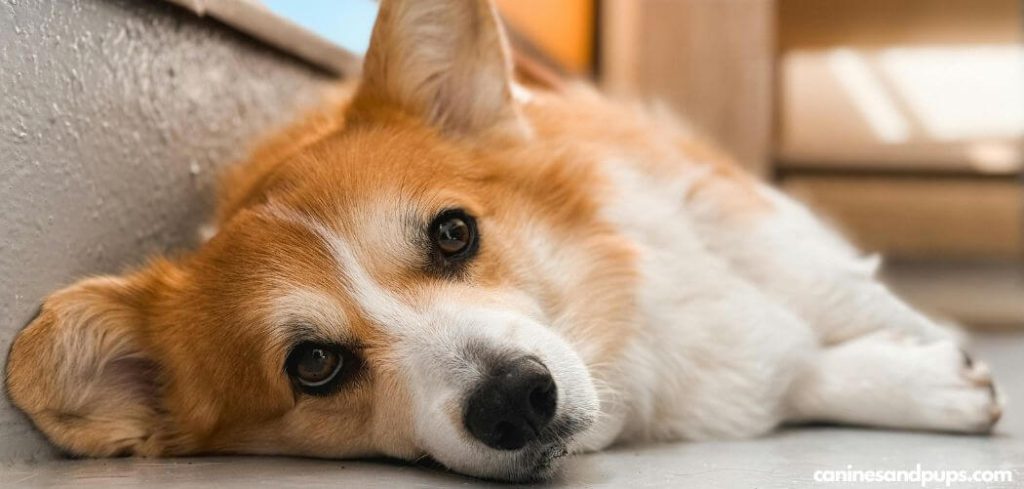
Dog Only Throwing Up After Eating: Common Causes
Eating Too Quickly or Eating Too Much
Some dogs eat very quickly or consume a large meal at once. Eating too much can contribute to digestive upset, particularly when the episode occurs soon after the meal.
If vomiting happens only after particularly large meals or when the dog eats unusually fast, the feeding pattern may be relevant.
However, repeated vomiting after normal-sized meals should not automatically be attributed to eating too quickly.
Related: Dog suddenly vomiting white foam (Causes and when to worry)
Gastritis or Stomach Irritation
Gastritis is inflammation of the stomach lining and can cause vomiting after a dog eats.
It may develop after eating something irritating, dietary indiscretion, certain medications, toxins, infections, parasites, or as a result of another illness.
A dog with gastritis may also have reduced appetite, abdominal discomfort, diarrhea, excessive thirst, or lethargy. Vomit can contain food, bile, foam, or, in some cases, blood.
Dietary Change or Food Intolerance
A sudden change in food, unfamiliar treats, table scraps, or another dietary difference can upset a dog’s digestive system.
If vomiting began around the time a new food was introduced, the connection is worth mentioning to the veterinarian.
But persistent vomiting should not automatically be blamed on food intolerance, especially if the problem continues after the suspected dietary change has been removed.
Gastroenteritis
Inflammation affecting the stomach and intestines can cause vomiting after eating, sometimes along with diarrhea, abdominal discomfort, or reduced appetite.
Gastrointestinal disease can result from infection, dietary irritation, parasites, or other conditions.
A dog may appear relatively normal between episodes, particularly when the illness is mild or intermittent.
Related: Dog Only Throws Up in the Morning (Here’s why)
Regurgitation Rather Than Vomiting
One of the most important possibilities to distinguish is regurgitation.
If food comes back up shortly after eating without obvious nausea, retching, or forceful abdominal contractions, the dog may be regurgitating rather than vomiting.
Regurgitated food is often largely undigested and may retain a tube-like shape from the esophagus.
Repeated regurgitation can occur with disorders of the esophagus, including megaesophagus and other problems that interfere with the movement of food toward the stomach.
Esophageal Disease
Problems involving the esophagus can cause food to come back up after eating. Dogs with esophageal disorders may have difficulty swallowing, repeated regurgitation, drooling, gagging, or other signs associated with swallowing.
A dog that repeatedly brings up undigested food soon after meals should be evaluated because some esophageal disorders can also increase the risk of food or liquid entering the airways.
Delayed Stomach Emptying
Food normally moves from the stomach into the small intestine after a meal. If stomach emptying is delayed or obstructed, food can remain in the stomach longer than expected and eventually be vomited.
The timing can provide a useful clue. Some disorders affecting the stomach outlet can cause vomiting of food several hours after a meal rather than immediately afterward.
Gastrointestinal Foreign Body or Obstruction
A dog that swallows a toy, bone, piece of clothing, or another object can develop an obstruction that interferes with the normal movement of food.
Obstruction can cause vomiting, particularly when the blockage is near the stomach or upper intestine.
Other possible signs include loss of appetite, abdominal pain, lethargy, dehydration, abdominal swelling, and changes in bowel movements.
A partial obstruction may produce intermittent symptoms, so seeming normal between meals does not completely rule it out.
Pancreatitis
Pancreatitis can cause vomiting and may occur alongside abdominal pain, reduced appetite, weakness, dehydration, or diarrhea.
Vomiting only after meals does not mean a dog has pancreatitis.
The possibility becomes more important when vomiting is repeated or accompanied by obvious discomfort or other signs of illness.
Parasites
Intestinal parasites can cause vomiting and other digestive symptoms, including diarrhea, appetite changes, or weight loss.
Parasites may be considered when vomiting is persistent or recurrent, particularly when other gastrointestinal signs are present. A veterinarian may recommend fecal testing as part of the investigation.
Kidney, Liver, or Other Systemic Disease
Vomiting after meals does not necessarily mean the problem is located in the stomach.
Kidney disease, liver disease, pancreatitis, endocrine disorders, and other systemic illnesses can also produce vomiting or other digestive signs.
Additional signs such as increased thirst or urination, weight loss, weakness, lethargy, or appetite changes make a broader medical evaluation more important.
Medication or Toxin Exposure
Certain medications and toxic substances can irritate the digestive tract or cause vomiting through effects elsewhere in the body.
If vomiting began after a new medication or there is a possibility that the dog swallowed something harmful, veterinary advice is important.
Related: Dog suddenly not eating and vomiting (Causes and what to do)
Dog Throws Up Immediately After Eating
Vomiting immediately after eating can have a different significance from vomiting several hours later.
If the dog shows nausea, drooling, retching, and repeated abdominal contractions before bringing up the food, this is more consistent with vomiting.
If the food simply comes back up with little or no effort, regurgitation may be occurring instead.
This distinction is particularly useful because repeated regurgitation can point toward an esophageal problem rather than a stomach disorder.
Dog Throws Up Food Hours After Eating
When a dog vomits recognizable food several hours after eating, delayed movement of food through the stomach or an obstruction may need to be considered.
Certain stomach-outlet disorders can cause food to remain in the stomach and eventually be vomited hours after a meal.
The timing alone cannot establish the cause, but it is valuable information for the veterinarian.
Dog Throws Up After Every Meal but Acts Normal Otherwise
A dog that seems normal between meals can still have a medical problem if it repeatedly vomits after eating.
Occasional vomiting without other abnormalities can occur, but chronic or repeated vomiting can eventually lead to dehydration, weakness, weight loss, and electrolyte disturbances.
If the same pattern occurs after most or every meal, veterinary evaluation is appropriate even if the dog continues to play and behave normally afterward.
Dog Throws Up After Eating but Still Wants Food
A dog may continue to show interest in food despite vomiting. That does not necessarily mean there is no underlying problem.
Some gastrointestinal disorders can cause intermittent vomiting while appetite remains relatively preserved, particularly early in the course of illness. Conversely, loss of appetite alongside vomiting can indicate a more significant problem.
The frequency of vomiting, weight, hydration, stool, energy level, and abdominal comfort are all important when assessing the overall picture.
When to Call or Visit the Vet
Contact a veterinarian if your dog repeatedly throws up after eating, especially when the pattern continues or becomes more frequent. Veterinary assessment is particularly important if your dog has:
Vomiting after most or every meal
Repeated vomiting over several days
Food coming back up without normal retching or abdominal effort
Blood in the vomit or material resembling coffee grounds
Loss of appetite or refusal to eat
Weight loss
Diarrhea or significant changes in bowel movements
Abdominal pain, tenderness, swelling, or repeated stretching into a prayer-like position
Weakness or lethargy
Signs of dehydration
Difficulty swallowing, excessive drooling, gagging, or repeated regurgitation
A suspected swallowed foreign object
Possible exposure to a toxin or harmful substance
Immediate veterinary attention is particularly important if vomiting is severe or repeated, the dog cannot keep water down, develops significant weakness or dehydration, has severe abdominal pain or swelling, or has blood in the vomit.
Persistent vomiting can result in dehydration and electrolyte abnormalities and may indicate an underlying condition requiring treatment.
Dog Only Throws Up After Eating: Treatment
Treatment depends on whether the problem involves the stomach, intestines, esophagus, diet, or another underlying disease. The veterinarian will take a detailed history, including what the dog eats, how quickly the episode occurs after eating, whether there is retching, and what the expelled material looks like.
The physical examination may be followed by blood, urine, and fecal testing and abdominal X-rays; ultrasound, endoscopy, biopsy, or specialized imaging may be recommended when vomiting is persistent, or the initial evaluation does not identify the cause.
Treatment is then directed at the diagnosis and may include veterinary-prescribed medication, dietary management, fluids, treatment of an obstruction, or management of an esophageal disorder when appropriate.
Key Takeaway
A dog that only throws up after eating may have a relatively simple digestive upset, but repeated vomiting after meals deserves attention.
The timing is especially useful: vomiting immediately after eating is different from vomiting several hours later, and food that comes back up passively may represent regurgitation rather than vomiting.
Possible causes include eating too much or too quickly, gastritis, dietary problems, gastroenteritis, delayed stomach emptying, parasites, pancreatitis, gastrointestinal obstruction, and diseases affecting the esophagus or other organs.
If your dog repeatedly throws up after eating, pay attention to how soon it happens, whether there is retching, whether the food is digested, and whether there are changes in appetite, stool, weight, energy, swallowing, or abdominal comfort. These details can help your veterinarian determine what needs to be investigated.