
Noticing that your dog only has one testicle can be surprising and concerning for many owners.
While it may not seem like an immediate health problem, this condition can have important implications for your dog’s long-term health and comfort.
Table of Contents
Dog Only Has One Testicle: Cryptorchidism in Dogs
A dog only having one testicle is usually the result of a condition called cryptorchidism, where one or both testicles fail to descend into the scrotum.
This can be congenital (present at birth) and is often linked to genetics, but in some cases, the retained testicle can be located in the abdomen or groin where it is not visible or easy to feel.
In rare situations, trauma, surgical history, or hormonal influences may also play a role.
While some dogs may not show outward signs of discomfort, a retained testicle carries serious health risks such as infertility, twisting (torsion), and an increased likelihood of testicular cancer.
Cryptorchidism is usually diagnosed in young dogs when one or both testicles are missing from the scrotum after a certain age.
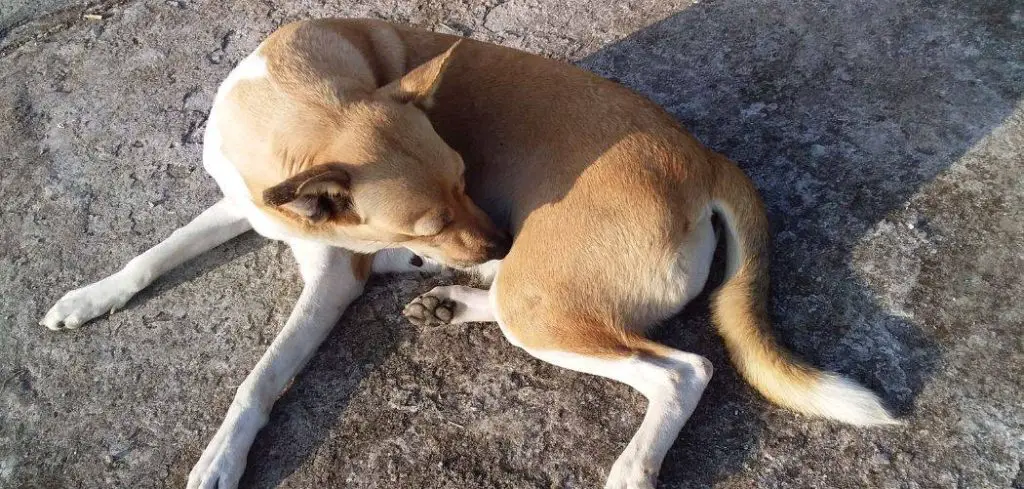
Can Dogs Only Have One Testicle?
Yes, some dogs may appear to have only one testicle, but this is usually due to a condition rather than being normal anatomy. In most cases, both testicles are present but one has not descended into the scrotum, making it seem like the dog only has one.
This condition is relatively common, especially in certain breeds, and typically becomes noticeable as the puppy grows.
While a dog can live with one visible testicle, it is important to have this evaluated because the undescended testicle can lead to health risks over time.
How Late Can a Dog’s Testicle Drop
In most male puppies, the testicles descend into the scrotum by 6 to 8 weeks of age, although in some breeds, it may take until 3 to 4 months. If a testicle has not descended by 6 months, it is considered unlikely to drop on its own and is classified as cryptorchid. Beyond this age, the retained testicle usually requires surgical intervention, as leaving it in place increases the risk of cancer and torsion.
Dog Only Has One Testicle: Common Causes
Cryptorchidism (Retained Testicle)
The most common reason a dog only has one testicle is cryptorchidism. Normally, both testicles descend into the scrotum by 8 weeks of age, but in dogs with cryptorchidism, one (or sometimes both) fail to move into place.
This retained testicle may be stuck in the groin area or remain inside the abdomen.
Owners may notice that their dog’s scrotum only appears to hold one testicle, even as the dog matures. This condition is not just cosmetic — retained testicles can become twisted, painful, or cancerous over time, making veterinary evaluation essential.
Read more: Dog Only Pees Twice a Day (When it signals something serious)
Genetic Factors
Genetics play a major role in why some dogs develop cryptorchidism. Breeds such as Chihuahuas, Pomeranians, Boxers, and Yorkshire Terriers are more likely to experience this condition.
Because it is inherited, dogs with cryptorchidism should not be bred, as they may pass the trait down to their offspring.
For owners, this often means learning that their dog’s condition was not preventable but rather a genetic predisposition. Responsible breeding practices can help reduce the risk in future generations.
Abdominal or Inguinal Retention
In some cases, the missing testicle is not gone — it is just located where it cannot be easily seen.
Retained testicles can hide in the inguinal canal (the passageway between the abdomen and scrotum) or remain fully inside the abdomen.
Dogs with abdominal testicles may show no symptoms initially, but these retained testicles can be at higher risk for complications like testicular torsion or tumors. An ultrasound or other imaging may be needed to determine the exact location of the missing testicle.
Hormonal or Developmental Issues
Occasionally, hormonal imbalances or developmental problems during puppyhood may interfere with normal testicular descent.
These are less common but can still lead to a situation where one testicle fails to appear in the scrotum.
In these cases, owners may also notice other growth or maturity concerns, which makes early veterinary involvement especially important.
Trauma or Surgical Procedure
Although less common, trauma can sometimes result in the loss or damage of a testicle.
Similarly, if a dog has had surgery such as castration of one testicle due to injury or disease, the scrotum may only contain one.
A dog owner may be aware of the dog’s medical history in these cases, but if not, a missing testicle may warrant asking whether their dog had a prior surgical procedure.
Can an Undescended Testicle Correct Itself?
In rare cases, a testicle may descend slightly later than usual, but after 6 months of age, spontaneous descent is very unlikely.
Puppies with delayed descent should be monitored by a veterinarian, but dog owners should not wait indefinitely, because a retained testicle that remains in the abdomen or groin carries a high risk of disease.
Immediate evaluation ensures that the dog receives the safest and most effective care.
Cryptorchidism Dog Behavior
Dogs with cryptorchidism may show normal behavior, especially if only one testicle is affected. However, because the retained testicle can still produce hormones, some dogs may display male behaviors such as marking, mounting, or territorial tendencies.
In certain cases, hormonal imbalance or discomfort from the retained testicle may contribute to irritability or restlessness.
Neutering is often recommended not only to prevent health risks but also to reduce hormone-driven behaviors and improve overall wellbeing.
What to Do If Your Dog Only Has One Testicle
If you notice your dog only has one testicle, the first step is to schedule a veterinary examination. Your vet will check whether the missing testicle is retained in the abdomen or groin and may recommend imaging if needed.
At home, you can monitor your dog for changes such as swelling, discomfort, or changes in urination, which may signal complications.
Neutering is strongly recommended for dogs with cryptorchidism, as leaving a retained testicle in place dramatically increases the risk of cancer. Even if your dog seems healthy, this preventative surgery can save them from serious issues later on.
Avoid breeding a dog with only one testicle, since the condition is often genetic. Instead, focus on giving your pet a happy, healthy life with regular veterinary care, a balanced diet, and plenty of exercise.
It can also be helpful to track your dog’s growth milestones. If you have a puppy and only one testicle has descended by the age of 6 months, it is unlikely the other will appear. Early intervention can help plan the safest treatment path forward.
When to Call or Visit Your Vet
You should always consult your vet if your dog only has one testicle, regardless of age. While some owners may not see immediate symptoms, the health risks of cryptorchidism make professional evaluation essential.
Seek urgent veterinary care if your dog shows signs of pain, swelling in the groin or abdomen, or sudden distress, as these may indicate testicular torsion — a painful and potentially life-threatening condition.
Another reason to visit the vet immediately is if your dog is approaching sexual maturity without both testicles present. Retained testicles can become cancerous over time, and proactive neutering can prevent this risk.
Even if your dog is older, it is never too late to address the issue. A veterinary checkup can help ensure your dog remains healthy and prevent future complications.
Read more: Dog Only Poops Once a Day (Here’s what it means)
How to Make a Dog’s Testicle Drop
There is no guaranteed method to make a testicle drop naturally once it has failed to descend by the normal age. Some older recommendations suggested hormonal therapy, but these treatments are rarely effective and are not commonly used due to risks and inconsistent results.
Treatment typically involves surgical removal of the retained testicle (cryptorchidectomy) and often both testicles to prevent health complications.
Dog Undescended Testicle Surgery Cost
The cost of surgery for an undescended testicle varies depending on factors such as veterinary clinic, location, dog size, and whether both testicles are removed.
On average, surgery can range from $200 to $800, which typically includes anesthesia, surgical procedure, and post-operative care.
While the cost may seem high, the surgery prevents serious health issues such as testicular cancer and torsion, making it a necessary investment in the dog’s long-term health.
Cryptorchidism in Dogs: Recovery
Recovery from cryptorchidism in dogs is typically very good after surgical removal of the retained testicle, which is the standard treatment. Most dogs go home the same day and recover within 10–14 days, with activity restriction recommended during healing.
Mild swelling, slight bruising, and temporary discomfort are normal, especially if the retained testicle was located in the abdomen, which requires a more invasive procedure.
Pain medication and preventing licking of the incision (using a cone) help ensure smooth recovery.
The prognosis after surgery is excellent, particularly when the condition is treated early. Removing the retained testicle eliminates the risk of testicular cancer and reduces the chance of testicular torsion, both of which are higher in cryptorchid dogs.
Dogs usually return to normal activity and live a full, healthy life after recovery. If both testicles are removed (standard neuter for cryptorchid dogs), fertility is eliminated, but behavior and overall quality of life typically improve.
Key Takeaway
A dog only having one testicle is most often due to cryptorchidism, a condition where one testicle does not descend properly.
While it may not cause immediate discomfort, it carries significant long-term risks such as infertility, torsion, and cancer.
The best step you can take is to have your dog evaluated by a veterinarian and follow their guidance, which usually involves neutering to protect your pet’s health.
With immediate care and responsible management, dogs with this condition can go on to live happy, healthy lives.


