
If your dog is not pooping in hot weather, it may be because they are eating less or becoming mildly dehydrated, both of which can reduce stool production.
However, if your dog goes longer than usual without passing stool, strains unsuccessfully, or develops vomiting, abdominal pain, or lethargy, it could indicate constipation, dehydration or another medical condition that requires veterinary attention.
Because dehydration and heat-related illness can worsen constipation, it is important to monitor your dog closely during warm weather.
Table of Contents
Dog Not Pooping in Hot Weather: Why It Happens
A dog not pooping in hot weather may be experiencing reduced food intake, dehydration, constipation, heat exhaustion, intestinal blockage, pain, or an underlying digestive disorder. Some dogs also become lethargic, refuse food, vomit, strain repeatedly, or produce hard, dry stools.
Reduced food intake means less waste reaches the intestines, while dehydration causes the colon to absorb more water from stool, making it drier and more difficult to pass.
In some cases, failure to poop may signal constipation or a more serious digestive problem.
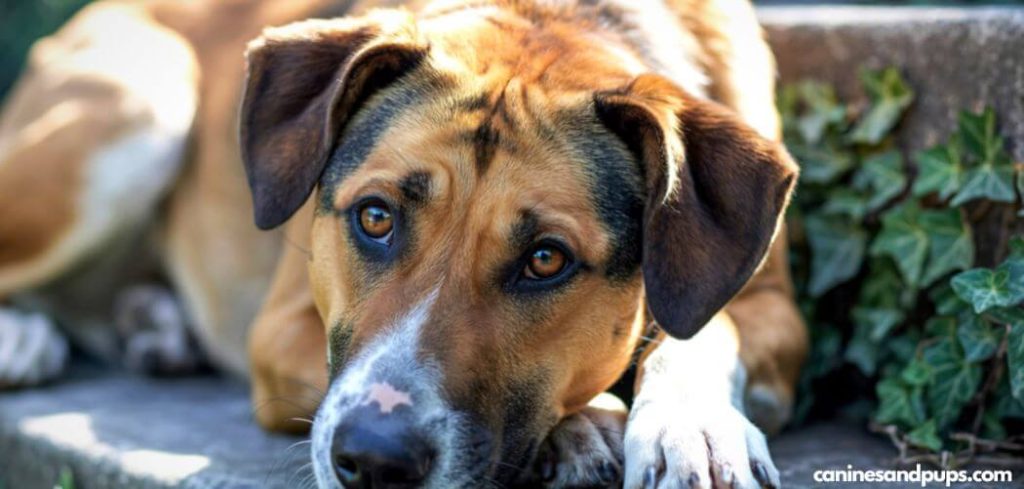
Do Dogs Poop Less When It’s Hot?
Yes, some dogs may poop less when it is hot because heat can affect their appetite, activity level, and digestion.
Dogs often eat less during very warm weather and may be less active, which can result in fewer bowel movements.
Dehydration can also make stools harder and slower to pass. However, hot weather alone should not cause a complete lack of bowel movements, especially if your dog is eating normally.
Dog Not Pooping in Hot Weather but Acting Normal
A dog that is not pooping in hot weather but acting normal may simply be experiencing a temporary slowdown due to reduced food intake, lower activity, or mild dehydration.
If your dog is comfortable, eating, drinking, urinating normally, and not showing signs of discomfort, monitoring may be appropriate.
Encourage hydration, provide regular meals, and allow gentle movement to support digestion.
If your dog goes more than 48 hours without a bowel movement, strains to poop, vomits, loses appetite, or seems painful, a veterinarian should assess the cause.
Read more: Dog Diarrhea in Hot Weather (Why it happens)
Dog Not Pooping in Hot Weather: Symptoms
Depending on the underlying cause, a dog may also experience:
No bowel movement
Straining to poop
Hard, dry stools
Reduced appetite
Lethargy
Excessive panting
Vomiting
Abdominal discomfort
Dog Not Pooping in Hot Weather: Common Causes
Reduced Food Intake
Many dogs naturally eat less during hot weather because high temperatures reduce their appetite. Eating less means less material moves through the digestive tract, resulting in fewer bowel movements.
Dogs that remain bright, hydrated, and otherwise healthy usually begin passing normal stools once their appetite returns.
This is generally a normal seasonal response if your dog continues eating and acting normally.
Dehydration
Dehydration is a common cause of constipation during hot weather. As the body conserves water, the colon absorbs more fluid from the stool, making it hard and difficult to pass.
Affected dogs may also have dry gums, increased thirst, lethargy, and reduced urine production.
Correcting dehydration often helps restore normal bowel function.
Constipation
Constipation occurs when stool remains in the colon for too long, allowing excessive water absorption.
Dogs may repeatedly strain without producing stool or pass only small, hard feces. Some also become uncomfortable, restless, or lose their appetite.
Treatment depends on the severity and may include dietary changes, increased hydration, stool softeners, enemas, or manual removal under veterinary supervision.
Heat Exhaustion
Heat exhaustion can slow intestinal movement while causing dehydration, making constipation more likely.
Affected dogs often pant heavily, drool excessively, become weak, vomit, or develop diarrhea before constipation develops in some cases.
Immediate veterinary care may be needed if heat-related illness is suspected.
Intestinal Obstruction
A blockage caused by swallowing toys, bones, clothing, or other foreign objects can prevent stool from passing normally.
Dogs often strain unsuccessfully, vomit, refuse food, develop abdominal pain, and become increasingly lethargic.
This is a veterinary emergency that frequently requires surgery.
Pain or Orthopedic Disease
Dogs with arthritis, hip dysplasia, spinal disease, or pelvic injuries may avoid posturing to defecate because squatting is painful.
These dogs may delay bowel movements even when stool is present.
Treating the underlying pain often improves normal elimination.
Enlarged Prostate or Pelvic Disease
Male dogs with prostate enlargement or dogs with pelvic masses may have difficulty passing stool because the rectum becomes compressed.
Signs include repeated straining, narrow ribbon-like stools, and discomfort during defecation.
Veterinary examination is necessary to determine the underlying cause.
Underlying Gastrointestinal Disease
Inflammatory bowel disease, tumors, neurological disorders, or chronic digestive disease may reduce normal intestinal movement.
Affected dogs often have poor appetite, weight loss, vomiting, or alternating constipation and diarrhea.
Diagnosis usually requires blood work, imaging studies, and sometimes endoscopy or biopsy.
Read more: Dog pooping bloody mucus but acting normal (What it means)
Old Dog Not Pooping in Hot Weather
An old dog not pooping in hot weather requires closer monitoring because senior dogs are more prone to constipation and digestive changes.
Reduced activity, dehydration, slower gut movement, arthritis that makes squatting difficult, medications, or underlying health conditions can contribute to constipation in older dogs.
Make sure your senior dog has access to fresh water, stays comfortable in a cool environment, and receives appropriate activity if possible.
If your older dog has not pooped for several days, strains repeatedly, has a swollen abdomen, vomits, or appears uncomfortable, veterinary care is recommended.
Dog Not Pooping in Hot Weather: What to Do
Encourage your dog to drink plenty of fresh, cool water throughout the day and keep them in a cool, shaded, or air-conditioned environment.
If your dog is eating normally, consider offering moisture-rich canned food or adding water to their meals to improve hydration.
Take your dog for short walks during the cooler parts of the day, as gentle exercise often stimulates bowel movements. Monitor for signs of straining, abdominal pain, vomiting, or worsening lethargy.
Do not give human laxatives or enemas unless specifically instructed by your veterinarian.
When to Call or Visit the Vet
Failure to poop during hot weather should be monitored carefully, especially if other symptoms develop.
Schedule an appointment if you notice:
No bowel movement for more than 48 hours
Repeated straining
Hard, dry stools
Reduced appetite
Mild lethargy
Mild vomiting
Recurring constipation
Weight loss
Seek emergency veterinary attention immediately if your dog develops:
Suspected intestinal obstruction
Severe abdominal pain
Persistent vomiting
Collapse or inability to stand
Bloody vomit or stool
Continuous unsuccessful straining
Seizures
Loss of consciousness
Dog Not Pooping in Hot Weather: Treatment
Veterinary treatment for a dog that is not pooping in hot weather begins with an examination to assess hydration, abdominal discomfort, and intestinal function.
Depending on the findings, the veterinarian may recommend abdominal X-rays or ultrasound to check the intestines and rule out an obstruction, as well as blood tests when appropriate.
Treatment may include veterinary-prescribed fluids to correct dehydration, stool-softening medication, laxatives, enemas, or other gastrointestinal medications.
If a blockage or severe impaction is identified, a dog may require sedation for removal or surgery. Early veterinary attention is particularly important if a dog is repeatedly straining without producing stool, vomiting, has a swollen or painful abdomen, becomes lethargic, or stops eating.
Recovery and Monitoring
Mild constipation caused by dehydration or reduced food intake often resolves once hydration and appetite improve. More serious conditions such as intestinal obstruction or gastrointestinal disease require ongoing veterinary care.
Monitor your dog’s bowel movements, appetite, water intake, activity level, and overall comfort during hot weather. Provide constant access to fresh water, exercise during cooler times of the day, feed a balanced diet, and follow your veterinarian’s treatment recommendations.
Contact your veterinarian if your dog continues straining without producing stool, develops vomiting, abdominal pain, worsening lethargy, or has no bowel movement despite home care.
Key Takeaway
A dog not pooping in hot weather may simply be eating less or becoming mildly dehydrated, but it can also indicate constipation, heat exhaustion, intestinal obstruction, pain, or another serious digestive condition.
Monitoring your dog’s appetite, hydration, and bowel habits helps determine whether the problem is temporary or requires veterinary care.
Early veterinary evaluation can identify the underlying cause before complications develop.
If your dog develops severe abdominal pain, repeated unsuccessful straining, persistent vomiting, collapse, bloody stool, seizures, or signs of intestinal obstruction, seek emergency veterinary care immediately.


