
It can be concerning when you bring your dog home after a neuter procedure and they haven’t peed or pooped. Many dog owners wonder whether this is a normal part of recovery or a sign that something is wrong.
Fortunately, a temporary delay in urination or bowel movements is fairly common after surgery, but prolonged inability to pee or poop should never be ignored.
In this guide, we explain the most common reasons for a dog not peeing or pooping after neuter. Understanding what is expected after neutering can help you monitor your dog’s recovery and know when to seek veterinary care.
Table of Contents
Dog Not Peeing or Pooping After Neuter: Why It Happens
A dog not peeing or pooping after neuter surgery may be experiencing the lingering effects of anesthesia, pain medications, fasting before surgery, reduced food and water intake, or postoperative discomfort temporarily slow normal bladder and bowel function.
Urinary retention, constipation, intestinal obstruction, or surgical complications can also interfere with normal bathroom habits.
Many dogs urinate within several hours after returning home, while bowel movements may not occur until the following day.
However, repeated straining, abdominal swelling, or prolonged inability to urinate or defecate requires prompt veterinary evaluation.
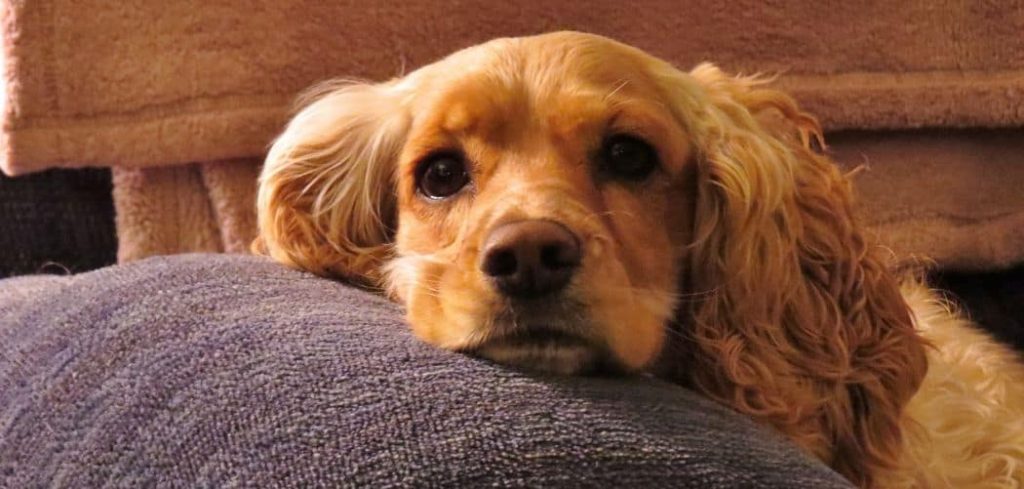
Is It Normal for Dogs to Not Pee or Poop After Neuter Surgery?
Yes, it can be normal for a dog to take a little longer than usual to pee or poop after neuter surgery, particularly during the first day.
The effects of anesthesia and pain medications may temporarily reduce bladder function and slow intestinal movement. However, your dog should gradually return to normal bathroom habits as they recover.
If your dog refuses to urinate, does not have a bowel movement after two days, seems uncomfortable, has a swollen abdomen, or develops vomiting or loss of appetite, they should be examined by a veterinarian.
How Long Is Too Long for a Dog Not to Pee After Surgery?
Most dogs should urinate within 6 to 12 hours after surgery or after arriving home. If your dog has not urinated within this time, or if they repeatedly squat or lift their leg without producing urine, contact your veterinarian immediately.
An inability to urinate may be caused by pain, urinary retention, dehydration, or, less commonly, a urinary obstruction, all of which require prompt medical evaluation.
Seek emergency veterinary care sooner if your dog has a distended abdomen, appears distressed, cries while trying to urinate, or becomes lethargic.
Dog Not Peeing or Pooping After Neuter: Symptoms
Recovery varies between dogs, but some signs may indicate that your dog needs veterinary attention.
Common symptoms include:
No urination for several hours after returning home
No bowel movement within the first day after surgery
Repeated attempts to urinate or defecate without success
Straining while trying to pee or poop
Whining or signs of discomfort during bathroom attempts
Poor appetite
Lethargy beyond expected postoperative sleepiness
Swollen or painful abdomen
Dog Not Peeing or Pooping After Neuter: Common Causes
Lingering Effects of Anesthesia
General anesthesia slows many normal body functions, including bladder emptying and intestinal movement.
Your dog may remain sleepy and less interested in eating, drinking, walking, or using the bathroom for several hours after surgery.
Most dogs begin urinating once they are fully awake and regain normal coordination. Bowel movements often take longer because the digestive tract needs time to return to normal activity.
Read more: Dog Not Drinking Water After Surgery (Why it happens)
Fasting Before Surgery
Dogs are usually fasted before anesthesia to reduce the risk of vomiting during surgery. Since there is less food in the digestive tract, it is perfectly normal for your dog to delay having a bowel movement after returning home.
Once your dog resumes eating and drinking, normal bowel movements usually return within a day or two.
Pain Medications
Prescription pain medications, especially opioid medications, commonly slow both bladder function and intestinal movement. Some dogs temporarily experience urinary retention or constipation while taking these medications.
Other side effects may include drowsiness, decreased appetite, or mild nausea. Never stop prescribed medications without consulting your veterinarian.
Read more: Dog Panting Excessively After Surgery (Here’s why)
Reduced Food and Water Intake
Many dogs have a smaller appetite and drink less water after surgery. Reduced hydration means less urine is produced, while eating less food naturally results in fewer bowel movements.
As your dog’s appetite and water intake improve, bathroom habits typically return to normal.
Incision Discomfort
Even though neuter surgery is routine, some dogs hesitate to squat or lift their leg because movement stretches the surgical area.
They may appear to want to urinate or defecate but avoid the position because it feels uncomfortable.
Providing calm, short leash walks and following your veterinarian’s pain management plan usually helps improve comfort during recovery.
Constipation
Constipation may develop after surgery due to anesthesia, dehydration, pain medications, reduced activity, or fasting.
Dogs may strain repeatedly without producing stool or pass only small, dry feces.
Mild constipation often resolves as hydration, appetite, and activity gradually return, but persistent constipation should be evaluated.
Urinary Retention
Some dogs experience urinary retention after anesthesia, meaning the bladder fills but does not empty normally. Medication effects, nerve dysfunction, or pain may contribute to this problem.
Dogs often make repeated attempts to urinate but produce little or no urine. This condition requires prompt veterinary attention because an overly full bladder can become damaged.
Surgical Complications
Although uncommon, complications such as internal bleeding, severe pain, infection, or swelling near the surgical site can interfere with normal urination or bowel movements.
Dogs with postoperative complications often show additional symptoms such as severe lethargy, vomiting, pale gums, abdominal swelling, or worsening pain. These situations require immediate veterinary assessment.
Read more: Dog Not Peeing After TPLO Surgery (Why it happens)
Dog Not Peeing or Pooping After Neuter: What to Do
Follow your veterinarian’s discharge instructions carefully after your dog’s neuter surgery. Offer small amounts of food and fresh water once your dog is fully awake and your veterinarian has advised that eating and drinking are safe.
Take your dog outside regularly on short, calm leash walks to give them frequent opportunities to urinate and defecate. Avoid rushing them, as some dogs need extra time to relax enough to use the bathroom after surgery.
Monitor how much your dog eats and drinks, as both affect urine and stool production. Keeping a simple record of bathroom trips, urination, bowel movements, appetite, and energy level can help you recognize whether recovery is progressing normally.
Encourage gentle movement only as recommended by your veterinarian. Short leash walks often stimulate bowel activity while still protecting the surgical incision.
Never give human laxatives, stool softeners, enemas, or medications intended to stimulate urination unless specifically prescribed by your veterinarian. These products may be harmful or interfere with recovery.
Also avoid allowing your dog to lick the surgical incision, as this increases the risk of infection and may delay healing.
When to Call or Visit the Vet
A brief delay in urination or bowel movements is often expected after neuter surgery, but persistent problems should always be discussed with your veterinarian.
Schedule an appointment if you notice:
Your dog has not urinated within the timeframe recommended by your veterinarian
No bowel movement after 24 to 48 hours despite eating normally
Mild straining to urinate or defecate
Reduced appetite lasting longer than expected
Continued lethargy after anesthesia has worn off
Increased licking around the incision
Mild swelling around the surgical site
Persistent constipation
Seek emergency veterinary attention immediately if your dog develops:
Repeated straining with no urine produced
A swollen or painful abdomen
Vomiting along with inability to urinate or defecate
Collapse or severe weakness
Pale gums
Continuous crying or signs of severe pain
Heavy bleeding or discharge from the incision
Complete inability to urinate accompanied by obvious distress
Dog Not Peeing or Pooping After Neuter: Treatment
A physical examination will include assessing the surgical incision, checking hydration, feeling the bladder and abdomen, and evaluating overall recovery. Blood work, urinalysis, X-rays, or ultrasound may be recommended if urinary retention, constipation, or another complication is suspected.
Treatment depends on the underlying cause. Dogs recovering normally may simply require additional monitoring, hydration, and supportive care. Pain medications may be adjusted if discomfort is preventing urination or defecation.
If urinary retention develops, your veterinarian may empty the bladder using a urinary catheter. Constipation may be treated with veterinary-approved stool softeners, fluids, dietary adjustments, or enemas when appropriate. Surgical complications may require additional treatment depending on the findings.
Related: Dog not peeing (Causes and treatment)
Recovery and Monitoring
Most dogs urinate within several hours after neuter surgery once the effects of anesthesia begin to wear off. Bowel movements often return within 24 to 48 hours after normal eating resumes, although some dogs may take slightly longer if they ate very little before or after surgery.
Continue monitoring your dog’s appetite, water intake, urination, bowel movements, energy level, and incision during recovery. Follow all activity restrictions, medication schedules, and follow-up appointments recommended by your veterinarian.
Inspect the surgical site daily for redness, swelling, discharge, or excessive licking. Contact your veterinarian if you notice worsening pain, foul-smelling discharge, or your dog’s recovery seems to stall.
If your dog suddenly stops urinating, develops severe constipation, or shows signs of abdominal pain during recovery, seek veterinary advice immediately.
Key Takeaway
A dog not peeing or pooping after neuter surgery is often experiencing temporary effects of anesthesia, pain medication, fasting, reduced food intake, or mild postoperative discomfort.
In many cases, urination resumes within several hours, while bowel movements return within a day or two after your dog begins eating normally.
However, repeated straining without producing urine or stool, abdominal swelling, vomiting, severe pain, or prolonged inability to use the bathroom should never be ignored.
These signs may indicate urinary retention, constipation, or a postoperative complication that requires prompt veterinary care.
By closely monitoring your dog’s recovery, encouraging hydration, following postoperative instructions, and contacting your veterinarian whenever something doesn’t seem right, you can help ensure a smooth and comfortable recovery after neuter surgery.


