
A dog not drinking water after surgery is something that worries most owners immediately, especially because hydration plays a huge role in healing and preventing complications.
This guide outlines the common reasons why a dog may not drink water after surgery, what you can do, and when to seek veterinary care.
Table of Contents
Dog Not Drinking Water After Surgery: Why It Happens
A dog may not drink water after surgery due to lingering anesthesia effects, nausea, pain, stress, or an underlying complication related to the procedure.
Many dogs feel groggy or disoriented for several hours, which can naturally decrease their drive to drink. Pain medications and antibiotics may also upset the stomach or cause mild nausea, further reducing interest in water.
Some dogs avoid drinking simply because moving their head, neck, or painful surgical site feels uncomfortable.
In more serious cases, dehydration, infections, or surgical complications may be developing, making the lack of water intake a warning sign that needs prompt attention.
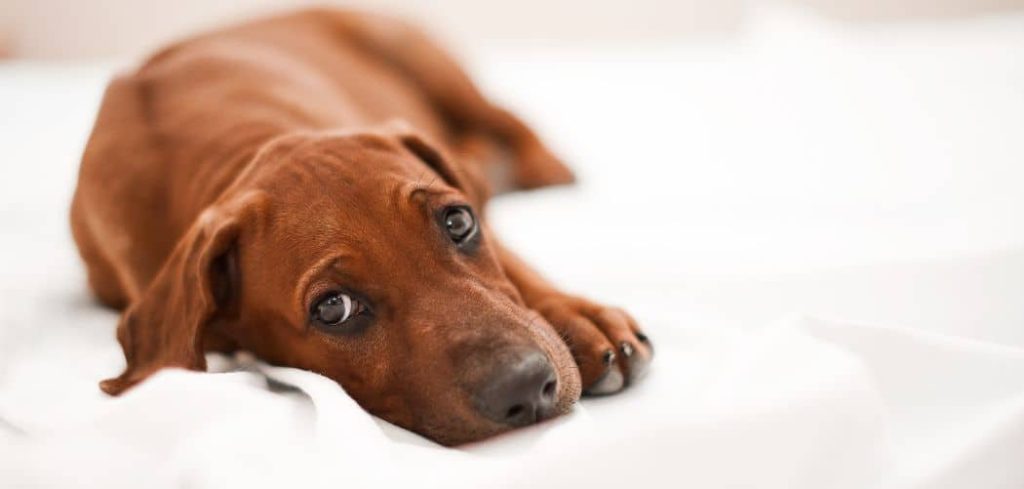
Is It Normal for a Dog to Not Want to Drink Water After Surgery?
It can be normal for a dog to drink less water for several hours after surgery due to the lingering effects of anesthesia, stress, nausea, or temporary discomfort.
Many dogs are sleepy and less interested in food and water during the first day of recovery. However, most dogs should gradually begin drinking within 12–24 hours after returning home.
If a dog completely refuses water for an extended period, shows signs of dehydration, or develops vomiting, lethargy, or weakness, veterinary advice should be sought immediately.
Related: Dog drinking a lot of water after surgery (Why it happens)
Dog Not Drinking Water After Surgery: Common Causes
Lingering Effects of Anesthesia
Anesthesia often causes drowsiness, confusion, and temporary nausea, all of which can lead to a dog not drinking water after surgery.
When dogs wake up from anesthesia, they don’t feel normal for several hours — sometimes even up to 12–24 hours depending on the medications used. They may feel wobbly or disoriented, making them uninterested in normal routines, including eating and drinking.
This is especially true if your dog struggles to hold their head up or walks unsteadily, as the effort of moving toward the water bowl can feel like too much.
The nausea component is also important. Anesthetic drugs can slow down gut movement and affect the stomach’s ability to settle, and a dog that feels queasy naturally avoids drinking.
Many dogs also feel cold after anesthesia, and shivering or discomfort can distract them from simple needs like hydration.
While temporary lack of interest is common, the concern increases when the refusal lasts longer than 12–18 hours or worsens instead of improving.
Related: Dog panting excessively after surgery (Why it happens)
Postoperative Pain or Discomfort
Pain after surgery is another major reason for a dog not drinking water after surgery. When a dog is uncomfortable, their willingness to move around or lower their head to a bowl may decrease significantly.
Even with prescribed pain medications, some dogs still experience discomfort, especially after major procedures such as orthopedic surgery, abdominal surgery, or dental extractions.
Pain makes simple movements feel difficult, and drinking can become a low priority. Some dogs also associate movement with discomfort, so they may avoid walking to the water bowl entirely.
A dog in pain may show additional signs like whining, panting, trembling, pacing, or refusing to lie down comfortably. If pain is the reason, water intake typically improves once pain control is adjusted or optimized by your veterinarian.
Nausea From Medications
Many dogs experience nausea from certain postoperative medications, including antibiotics, pain relievers, opioids, and anti-inflammatory drugs.
Nausea can be subtle — your dog may lick their lips, swallow repeatedly, or turn their head away from food and water.
These signs mean that your dog does want to drink but feels too unsettled to do so. Some medications also slow stomach emptying, amplifying the sensation of fullness or queasiness, which discourages drinking.
Dogs recovering from abdominal surgeries may be especially sensitive, as their digestive tract is already under stress. When nausea is the primary cause, owners may notice that even tempting options like broth or diluted wet food are ignored.
Persistent nausea needs to be addressed because dehydration can worsen the symptoms and delay healing.
Throat Irritation From the Breathing Tube
During surgery, dogs are intubated with a breathing tube, and this can cause throat irritation afterward. This irritation may be mild, but for some dogs, it feels like a sore throat, causing reluctance to swallow or drink.
A dog with throat irritation may cough occasionally, gag when swallowing, or seem hesitant to drink even when water is offered directly.
The discomfort is usually temporary but can significantly impact hydration for the first day after surgery. If the dog had a long procedure requiring prolonged intubation, irritation may be more noticeable.
This cause is usually self-limiting, but it’s important to monitor because dogs that avoid drinking entirely for too long can quickly become dehydrated, especially after surgical stress.
Stress and Anxiety After Returning Home
Stress can play a bigger role than many owners expect. A dog not drinking water after surgery may simply be overwhelmed by the change in their routine and how they feel physically.
Returning home after a procedure comes with new smells, a cone or recovery collar, limited movement, and confusion about what’s happening. Some dogs “shut down” temporarily due to stress. They may hide, avoid walking, or appear uninterested in normal activities.
This response is especially common in sensitive, anxious, or senior dogs.
Stress affects appetite and thirst centers in the brain, reducing the dog’s natural drive to drink. It may take a few hours for them to feel settled enough to resume normal behavior.
While stress typically resolves with calm reassurance and rest, prolonged avoidance of water can still be risky.
Dehydration
In more serious cases, a dog not drinking water after surgery may be showing early signs of dehydration or a complication such as infection, internal inflammation, or a reaction to medications.
Dehydration makes dogs feel lethargic, nauseous, and weak — all of which worsen the refusal to drink. If the dog is losing fluid through vomiting, diarrhea, panting, or bleeding, hydration can drop quickly.
Postoperative infections or internal swelling can also affect thirst and cause systemic symptoms like fever, shaking, or rapid breathing.
This cause is the most concerning because it can escalate quickly. If dehydration progresses, your dog may require IV fluids and immediate veterinary intervention.
Related: Dog drinking a lot of water after surgery (Here’s why)
Dog Not Drinking Water After Surgery But Eating
A dog that is eating but not drinking after surgery may still be receiving some fluids from its food, especially if it is eating canned or moist food.
Mild reductions in water intake can occur during recovery due to medication effects or temporary changes in routine.
However, dogs still need adequate hydration to heal properly. If the dog continues avoiding water despite eating normally, or if signs of dehydration develop, a veterinarian should be consulted for guidance.
Dog Not Drinking Water 2 Days After Surgery
A dog that is still not drinking water two days after surgery should be evaluated by a veterinarian. While mild reductions in drinking are common immediately after anesthesia, most dogs should be drinking by this point.
Persistent refusal of water can lead to dehydration and may indicate ongoing pain, nausea, infection, medication side effects, or another postoperative complication.
This is especially important if the dog is also eating poorly, vomiting, acting lethargic, or showing signs of discomfort.
Dog Not Drinking Water After Surgery and Diarrhea
Diarrhea after surgery can increase fluid loss, making a lack of water intake even more concerning.
Some dogs develop diarrhea due to stress, anesthesia, medication side effects, or changes in diet during recovery. When diarrhea is combined with poor water intake, dehydration can develop rapidly.
Veterinary attention is required if diarrhea is severe, persistent, or accompanied by continued refusal to drink.
The veterinarian may recommend supportive care, medication adjustments, or fluid therapy.
Dog Not Drinking Water After Dental Surgery
A dog may avoid drinking water after dental surgery because the mouth, gums, or extraction sites are sore. Drinking may cause temporary discomfort, especially during the first day or two after the procedure.
Some dogs will prefer soft food and may be hesitant to drink from a hard bowl if their mouth is tender.
While a short period of reduced drinking can be expected, complete refusal of water is not ideal.
If your dog is still not drinking after the initial recovery period or appears uncomfortable, contact your veterinarian for advice.
Dog Not Drinking Water After Spay
After a spay procedure, some dogs are reluctant to drink because of anesthesia effects, mild nausea, stress, or postoperative discomfort. Most dogs begin drinking small amounts once they become more alert and settled at home.
Encouraging rest and providing easy access to fresh water can help during recovery.
If a dog refuses water for more than 24 hours after a spay or develops vomiting, lethargy, weakness, pale gums, or other concerning symptoms, veterinary evaluation is needed. Proper hydration is an important part of a safe recovery.
Puppy Not Drinking Water After Surgery
A puppy that is not drinking water after surgery should be monitored closely because puppies can become dehydrated much faster than adult dogs.
Anesthesia, pain medication, stress, and nausea may temporarily reduce thirst, but puppies should generally begin drinking within a reasonable recovery period.
If the puppy continues refusing water, appears weak, vomits, or becomes unusually sleepy, contact a veterinarian immediately. Young dogs have limited fluid reserves and can deteriorate quickly when dehydrated.
Senior dog not drinking water after surgery
Older dogs may take longer to recover from surgery and anesthesia, making them more likely to drink less water during the initial recovery period.
Pain, nausea, underlying health conditions, and medication side effects can all reduce thirst in senior dogs. Because older dogs are often more vulnerable to dehydration, a prolonged lack of water intake is more concerning.
If a senior dog refuses water for more than a day or shows signs such as weakness, confusion, dry gums, or loss of appetite, veterinary evaluation is necessary.
Dog Not Drinking Water After Surgery: What to Do
Start by ensuring your dog is resting in a warm, calm, and comfortable space. Many dogs begin drinking once they feel more settled and less anxious. Avoid overstimulation and help them rest without interruptions.
You can also offer small amounts of fresh water by bringing the bowl closer or raising it to head level, which reduces discomfort when lowering the head. If your dog normally drinks filtered or cool water, offer what they prefer, as familiarity helps encourage drinking.
Tempt your dog gently with hydration-rich options like ice cubes, diluted low-sodium chicken broth, or a small amount of wet food mixed with water. These can stimulate interest without overwhelming the stomach. Avoid forcing water, as this can cause aspiration.
Monitor your dog closely for signs of nausea or pain, such as whining, pacing, drooling, or lip licking.
If they seem uncomfortable, contact your veterinarian, as adjustments to pain or anti-nausea medications can make a significant difference.
Finally, keep a close eye on urine output and overall behavior. A dog who hasn’t urinated in over 12 hours, seems unusually tired, refuses food, or repeatedly avoids water needs professional evaluation promptly.
When to Call or Visit Your Vet
Contact your veterinarian if your dog has gone more than 12–18 hours without drinking or if their refusal worsens instead of improving.
Seek immediate care if your dog is vomiting, showing signs of dehydration (such as dry gums or sunken eyes), or seems excessively lethargic. These symptoms can indicate complications that require prompt treatment.
You should also contact your vet if your dog is crying, shaking, or showing signs of pain. Poor pain control can significantly impact healing and may require a medication adjustment.
If you notice swelling, redness, discharge, or a foul smell around the incision site, call your vet immediately, as these are signs of infection that can progress quickly.
Dogs recovering from major surgeries should be monitored more closely, and any sudden change in appetite, thirst, or behavior deserves attention.
Read more: Dog loose stool after surgery (What it means)
Key Takeaway
A dog not drinking water after surgery is a common but important symptom to monitor closely. While many dogs temporarily refuse water due to anesthesia, nausea, or discomfort, sustained refusal can quickly lead to dehydration or indicate a developing complication.
Offering comfort, tempting hydration safely, and watching for warning signs can help your dog recover smoothly.
If your dog continues avoiding water or shows signs of pain or illness, veterinary guidance is essential for a safe and healthy recovery.


