
A dog licking its paws and smelling like corn chips is a common concern for owners who notice a distinctive odor coming from the feet.
Some dogs naturally have a mild, slightly yeasty or snack-like smell around their paws because the skin normally contains bacteria and yeast.
However, a strong or newly noticeable odor combined with frequent licking can indicate that the paws are irritated or that microorganisms are multiplying excessively.
The smell alone does not establish that a dog has a yeast infection. Paw licking can occur with allergies, parasites, irritation, injuries, foreign material, or bacterial and yeast infections.
Looking at the paws and considering how often the dog licks them, whether the skin is red or swollen, and whether the odor is new or worsening can provide important information.
Table of Contents
Dog Licking Paws and Smells Like Corn Chips: Why It Happens
A dog may lick its paws and have a corn-chip-like smell because microorganisms normally present on the skin can produce an odor, but excessive licking may indicate that the paws are irritated or itchy.
Yeast or bacterial overgrowth can become more likely when the paws remain moist or when repeated licking damages the skin.
A mild odor alone does not necessarily mean there is an infection. However, persistent paw licking, redness between the toes, swelling, greasy or discolored skin, hair loss, or a strong worsening odor should be checked by a veterinarian.
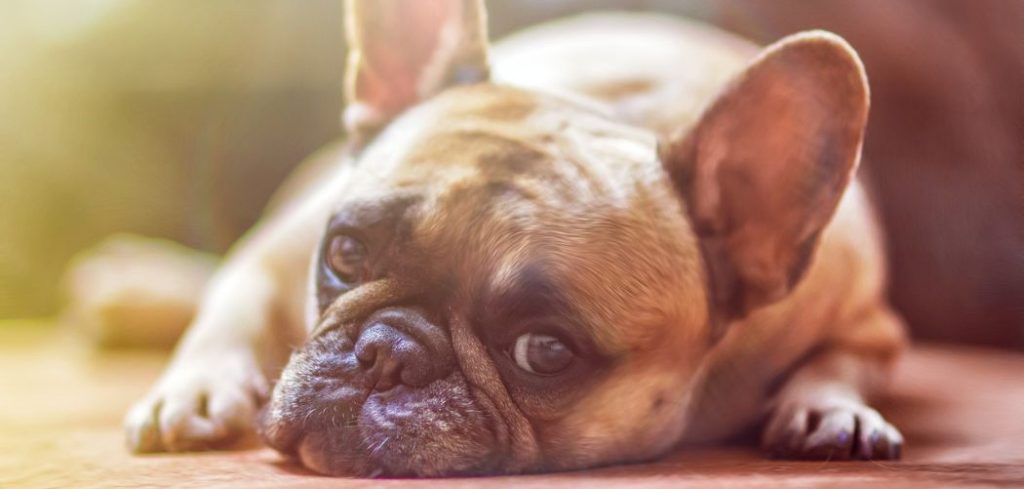
Dog Licking Paws and Smelling Like Corn Chips: Common Causes
Normal Paw Odor
Dogs naturally have microorganisms living on their skin, including bacteria and yeast. Because the paws contain folds, hair, and spaces between the toes that can retain moisture, they may have a noticeable smell even when there is no significant disease.
A mild odor by itself is therefore not necessarily a reason for concern. Occasional paw licking can also be part of normal grooming.
The situation becomes more concerning when the smell becomes unusually strong or is accompanied by persistent licking or visible skin changes.
Related: Why does my dog smell like fritos and itchy? (Here’s why)
Yeast Overgrowth
Yeast dermatitis is an important possibility when a dog’s paws smell strongly, and the dog is repeatedly licking them.
Malassezia yeast normally lives on canine skin, but excessive growth can cause inflammation and itching.
Typical signs include itching, redness, odor, scaling, crusting, thickened skin, and darker pigmentation.
Yeast-related irritation can become more noticeable between the toes and around the paw pads. Dogs may respond by repeatedly licking or chewing their feet.
However, a corn-chip-like smell cannot by itself confirm yeast overgrowth. A veterinarian may need to examine a sample of the skin to determine whether yeast is present in excessive numbers.
Bacterial Skin Infection
Bacteria can also contribute to unpleasant paw odor, particularly when the skin has been damaged by licking, allergies, moisture, or another underlying problem.
Bacterial skin infections may cause redness, scaling, crusting, hair loss, pain, discharge, or odor.
A bacterial infection can occur alongside a yeast infection, and both may develop secondary to an underlying allergic skin disorder.
Related: Dog excessively licking paws and limping (Causes and what to do)
Allergies
Allergies are one of the most common reasons dogs repeatedly lick their paws. Environmental allergies, food allergies, and reactions to insect bites can all cause itching.
Excessive licking can damage the skin and create conditions that allow yeast or bacteria to multiply, making the paws smellier and more irritated.
Dogs with allergic skin disease may also lick other parts of their bodies, scratch, rub their faces, or develop recurrent ear problems.
If paw licking is seasonal or occurs alongside itching in several areas, allergies may be an important part of the investigation.
Moisture Between the Toes
Moisture can make the spaces between the toes a more favorable environment for microbial overgrowth. Dogs that frequently walk through wet grass, swim, or have paws that remain damp after bathing may develop more noticeable paw odor.
Repeated licking can also keep the feet moist, potentially contributing to a cycle of irritation and microbial overgrowth.
Interdigital Inflammation or Furuncles
Inflammation between the toes can cause dogs to lick and chew their feet. Interdigital furuncles, sometimes called interdigital cysts or abscesses, are painful inflammatory lesions that commonly involve bacterial infection and can occur between the toes.
These lesions may appear as red or swollen areas, nodules, or painful bumps. Some dogs become lame or strongly focused on one particular foot.
A dog that persistently licks one paw rather than all four should therefore be checked for a localized problem.
Foreign Material or Paw Injury
A grass awn, splinter, small piece of debris, damaged nail, cut, or other foreign material can cause a dog to suddenly focus on one paw.
A localized foreign-body problem may produce licking even when the rest of the paws smell normal. If infection develops around an injury, odor may become more noticeable.
Parasites
Fleas and certain mites can cause significant itching and may lead dogs to lick, scratch, or chew their skin. Parasites are among the causes veterinarians consider when investigating persistent itching.
Parasites may not always be obvious to an owner, so a normal-looking coat does not completely rule them out.
Repetitive Licking and Skin Damage
Once a dog starts licking because of an underlying itch or discomfort, the behavior itself can further damage the skin. Continued licking can contribute to inflammation, moisture, hair loss, and secondary infection.
This can create a cycle in which the original problem causes licking, the licking damages the skin, and the damaged skin becomes even more uncomfortable.
Read more: Dog licking paws excessively (Should you worry?)
Dog Licking Paws and Smells Like Corn Chips but Has No Redness
A mild corn-chip-like odor with occasional licking and completely normal-looking paws may simply reflect the normal microorganisms and moisture associated with canine feet.
However, early skin irritation may not produce dramatic redness. If the licking is frequent, increasing, or focused on one paw, it is worth paying closer attention even if the skin initially looks normal.
The change in behavior is often more useful than the smell alone when deciding whether veterinary evaluation is needed.
Dog Licking Paws and Smells Like Corn Chips but Acting Normal
A dog can continue eating, playing, and behaving normally while having an itchy or mildly irritated paw. Localized skin problems do not necessarily make a dog generally sick.
If the dog occasionally licks its paws and has no redness, swelling, pain, hair loss, or other abnormalities, the situation may be relatively minor.
Persistent licking, however, should not automatically be dismissed simply because the dog otherwise seems fine.
Dog Licking One Paw and Smelling Like Corn Chips
When one paw is affected much more than the others, a localized problem deserves particular attention. A damaged nail, foreign material, wound, interdigital lesion, or localized infection may cause a dog to concentrate its licking on one foot.
Interdigital infections can be painful and may cause both licking and lameness.
A generalized allergy is still possible, particularly if the dog eventually begins licking several paws, but a one-paw problem warrants a careful examination of that specific foot.
When to Call or Visit the Vet
Contact your veterinarian if your dog has:
Persistent or increasingly frequent paw licking
A strong or worsening odor from the paws
Redness, swelling, or warmth
Hair loss between the toes or around the feet
Moist, greasy, crusty, or thickened skin
Sores, wounds, scabs, or discharge
Pain when the paw is touched
A lump or swollen area between the toes
Licking that is concentrated on one paw
Limping or reluctance to put weight on a foot
Recurrent paw odor or infections
Persistent itching involving the ears, face, belly, or other parts of the body
Immediatee veterinary attention is appropriate if the paw becomes severely swollen or painful, the dog suddenly cannot use the limb normally, there is significant bleeding or a deep wound, or the dog develops marked weakness or other signs of serious illness.
Dog Licking Paws and Smells Like Corn Chips: Treatment
Treatment depends on what is causing the licking and odor. The veterinarian will examine the paws, skin, nails, and spaces between the toes and may use skin cytology, scrapings, culture, or other tests to determine whether yeast, bacteria, parasites, or another problem is present.
If allergies or another underlying skin disorder are suspected, that condition also needs to be investigated because recurrent infections may be secondary to the underlying disease.
Interdigital lesions may require additional testing or imaging in persistent cases.
Treatment is then directed at the specific diagnosis rather than the odor alone.
Key Takeaway
A dog licking its paws and smelling like corn chips may simply have a naturally noticeable paw odor, but persistent licking combined with a strong smell can also occur with yeast or bacterial overgrowth, allergies, moisture-related irritation, parasites, or a localized paw problem.
The corn-chip smell itself does not diagnose a yeast infection. What matters is the overall pattern: how frequently the dog licks, whether one or several paws are affected, and whether there is redness, swelling, hair loss, discharge, pain, or itching elsewhere.
If your dog’s paw licking is persistent or the odor is new, strong, or worsening, a veterinary examination can help identify the underlying cause and prevent a cycle of licking, skin damage, and secondary infection.