
A dog licking its paws and having bad breath may have two separate problems occurring at the same time, or there may be an underlying condition contributing to both.
Paw licking is commonly associated with itching, allergies, parasites, irritation, or infection, while persistent bad breath is often associated with dental or oral disease. Neither symptom alone identifies the cause.
The combination is worth paying attention to when the paw licking is frequent or the breath has become noticeably unpleasant.
A dog can have significant dental disease without obvious signs of mouth pain, and skin or paw problems may also remain subtle at first.
Looking at the paws, mouth, appetite, chewing habits, and overall behavior can help determine whether one or several problems are present.
Table of Contents
Dog Licking Paws and Bad Breath: Why It Happens
A dog may lick its paws and have bad breath because these symptoms can arise from separate problems, such as paw allergies or irritation combined with dental disease.
Persistent paw licking is commonly associated with allergies, parasites, skin irritation, or infection, while bad breath is often linked to plaque, periodontal disease, or other problems in the mouth.
In some cases, nausea or gastrointestinal disease can also cause increased licking and an unpleasant odor.
If both symptoms developed around the same time, the dog should be monitored for other changes such as reduced appetite, excessive drooling, vomiting, weight loss, swollen or painful paws, or difficulty chewing. Persistent bad breath or excessive paw licking needs veterinary examination.
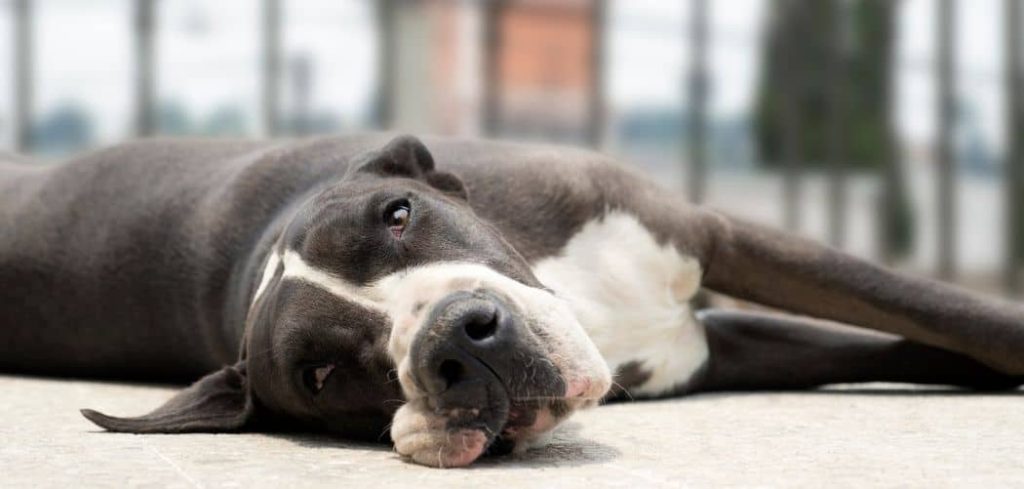
Dog Licking Paws and Bad Breath: Common Causes
Dental Disease
Dental disease is one of the most important causes of persistent bad breath in dogs. Plaque and tartar allow bacteria to accumulate around the teeth and gums, leading to gingivitis and potentially periodontal disease.
Bad breath can be present even when an owner does not notice obvious pain.
A dog with dental disease may also drool, paw at the mouth, chew differently, drop food, or show reluctance to have its face touched.
Some dogs, however, continue eating normally despite significant oral disease.
Dental disease may therefore explain the bad breath, while the paw licking has a separate cause.
Related: Dog Licking Paws and Rubbing Face (Here’s why)
Allergies
Allergies are a common reason dogs repeatedly lick their paws. Environmental or food-related allergies can cause itching involving the feet and other parts of the body.
Repeated licking can damage the skin and contribute to secondary bacterial or yeast infections.
A dog with allergies may also scratch its ears, rub its face, lick its legs, or develop recurrent ear problems. If these signs occur together, an underlying allergic skin disorder becomes an important possibility.
The bad breath, however, should not automatically be blamed on the allergy. Dental disease can still be present at the same time.
Related: Dog excessively licking paws and limping (Causes and what to do)
Yeast or Bacterial Infection of the Paws
Repeated paw licking can damage the skin and create conditions that encourage bacterial or yeast overgrowth.
This may result in redness, odor, hair loss, moist skin, crusting, or discomfort.
The smell from infected paws is sometimes mistaken for a general body odor or even bad breath. Checking where the odor actually originates can help distinguish a paw problem from an oral problem.
If the dog’s mouth also smells unpleasant, both areas should be examined.
Fleas and Other Parasites
Parasites can cause intense itching and may lead a dog to lick, scratch, chew, or rub its skin.
Flea allergy is particularly important because some dogs develop substantial itching from flea exposure.
Parasites do not usually explain persistent bad breath directly, so a dog with both signs may have a skin problem and a separate dental problem.
Interdigital Inflammation
Inflammation between the toes can cause a dog to repeatedly lick or chew its paws. Interdigital furuncles and related lesions may be painful, swollen, and sometimes associated with bacterial infection. Dogs with these lesions may also become lame.
If one paw is receiving much more attention than the others, a localized problem such as an interdigital lesion, foreign material, damaged nail, or wound deserves particular consideration.
Oral Inflammation or Infection
Bad breath can occur with inflammation or infection of the mouth, gums, tongue, lips, or throat. Dogs with painful oral conditions may drool, paw at their mouths, resist having the mouth examined, or become reluctant to eat.
Inflammation around the lips or mouth can also cause a dog to rub its face or lick surrounding areas.
In these cases, the licking behavior may be related to oral discomfort rather than boredom or a purely behavioral issue.
Tooth Root Abscess
An infected tooth root can cause significant pain and bad breath, although dogs do not always show obvious signs of discomfort.
Some dogs may rub their face, paw at one side of the mouth, chew differently, or develop swelling beneath the eye or along the jaw.
A tooth-root problem would not normally explain persistent paw licking by itself.
If both symptoms occur, it is possible that the dog has an oral problem alongside an unrelated paw or skin condition.
Foreign Material or Injury
A foreign object lodged between the toes, a damaged nail, or a small paw wound can cause sudden licking of one foot. Similarly, a foreign object in the mouth can cause bad breath, drooling, mouth pawing, or difficulty eating.
The timing can be helpful. Sudden, intense licking of one paw suggests a localized problem more strongly than generalized licking of all four feet.
Read more: Dog licking paws excessively (Should you worry?)
Dog Licking Paws and Bad Breath but Acting Normal
A dog can continue eating, playing, and behaving normally despite both dental disease and mild paw irritation. Dental disease is particularly easy to overlook because dogs may mask oral discomfort.
Normal behavior is reassuring, but it does not rule out a medical problem.
Persistent bad breath should not simply be considered a normal part of having a dog, particularly when it is new, worsening, or accompanied by changes around the mouth.
Dog Licking Paws and Bad Breath but Still Eating
Continuing to eat does not rule out dental disease. Dogs may maintain their appetite even when their gums or teeth are uncomfortable.
Some may subtly change how they chew, favor one side of the mouth, drop food, or avoid hard objects rather than refusing food completely.
If a dog is still eating but has persistent bad breath and frequent paw licking, both the mouth and paws should be examined.
Dog Licking Paws and Bad Breath With Drooling
Drooling alongside bad breath can increase concern for an oral problem. Mouth inflammation, dental disease, painful teeth, and other disorders affecting the mouth can produce bad breath and excessive salivation.
If drooling is accompanied by difficulty swallowing, blood in the saliva, obvious mouth pain, facial swelling, or refusal to eat, veterinary evaluation should be prompt.
Dog Licking Paws and Bad Breath With Face Rubbing
Face rubbing can provide another clue that the mouth, teeth, ears, or eyes may be uncomfortable. Tooth-root abscesses, for example, can cause dogs to rub their face while also developing bad breath.
If a dog is licking its paws, rubbing its face, and has bad breath, it is especially important not to assume that all of the symptoms are caused by allergies. An oral examination may reveal a separate dental problem.
When to Call or Visit the Vet
Arrange a veterinary examination if your dog has persistent paw licking, persistent bad breath, or both, particularly if you notice:
Red, swollen, painful, or irritated paws
Hair loss, sores, crusts, or discharge around the paws
Licking that is concentrated on one paw
Limping or reluctance to use a foot
Red, swollen, or bleeding gums
Heavy tartar buildup
Drooling or blood in the saliva
Pawing at the mouth or face
Difficulty chewing or swallowing
Dropping food while eating
Chewing on only one side of the mouth
Facial swelling, especially around the jaw or beneath an eye
A loose, broken, discolored, or visibly damaged tooth
Loss of appetite or reluctance to eat
Repeated vomiting, marked weakness, or other signs of illness
Bad breath that is new, severe, or progressively worsening
Sudden facial swelling, severe mouth pain, difficulty breathing or swallowing, significant weakness, or inability to eat warrants prompt veterinary attention.
Dog Licking Paws and Bad Breath: Treatment
Treatment depends on whether the two symptoms have the same cause or represent separate problems.
A veterinarian may examine the paws for allergies, parasites, infection, wounds, nail problems, or interdigital disease while also performing a thorough oral and dental examination.
Skin cytology, scrapings, parasite testing, or other tests may be recommended for persistent paw problems.
For bad breath, dental assessment may include examination below the gumline and dental X-rays when indicated because important disease can exist beneath apparently normal-looking gums.
Treatment is directed at the underlying diagnosis, such as managing allergies or infection for the paws and providing appropriate professional dental care for oral disease.
Key Takeaway
Dog licking paws and bad breath can occur together without having the same underlying cause. Paw licking is commonly associated with itching, allergies, parasites, irritation, or infection, while persistent bad breath most often warrants attention to the teeth, gums, and mouth.
A dog does not have to stop eating or appear sick to have dental disease.
If paw licking is persistent or the bad breath is strong, new, or worsening, having both the paws and mouth examined is the best way to determine what is actually causing the symptoms.