
When a dog keeps hacking up phlegm, it’s worrying for any dog owner.
Phlegm is a thick mucus that usually signals irritation or infection in the airways, throat, or lungs, and persistent hacking can point to a health issue that needs attention.
Table of Contents
Dog Keeps Hacking Up Phlegm: Why It Happens
A dog hacking up phlegm is often linked to respiratory irritation, infections, allergies, or chronic conditions that affect the lungs and throat. It may occur when mucus builds up from kennel cough or pneumonia, when allergens like pollen trigger excess mucus production, or when heart disease causes fluid in the lungs.
Sometimes phlegm appears after your dog swallows grass or debris, irritating the airway.
While occasional phlegm hacking may not be serious, repeated episodes signal something more than a simple throat tickle.
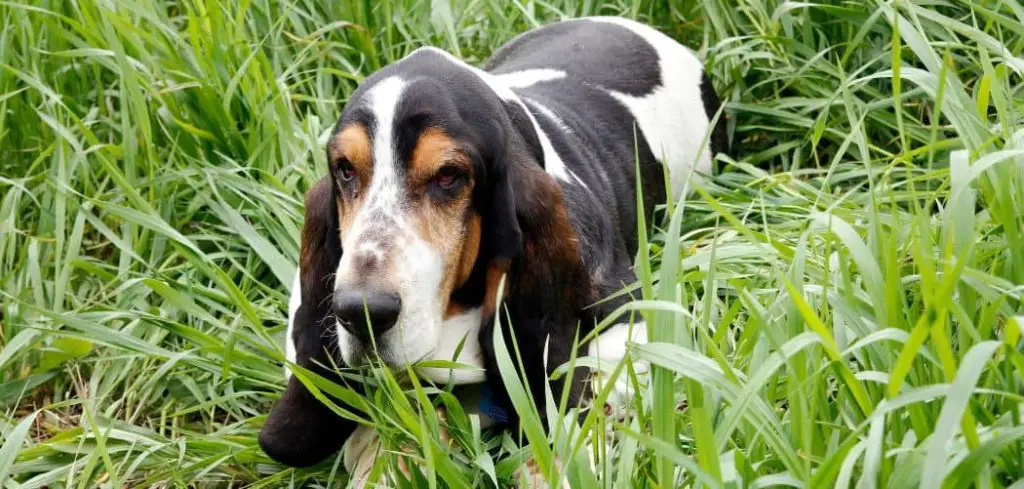
Dog Coughing Up Phlegm But Acting Normal
A dog that coughs up phlegm but otherwise acts normally may be experiencing mild respiratory irritation, early infection, allergies, or a minor airway sensitivity.
Some dogs continue eating, playing, and behaving normally despite intermittent coughing.
However, even if the dog appears fine, recurring phlegm production should not be ignored, as it can be an early sign of a developing respiratory or heart condition.
Dog Keeps Hacking Up Phlegm: Common Causes
Kennel Cough
Kennel cough is a highly contagious respiratory infection that irritates a dog’s windpipe and bronchi. The classic symptom is a persistent, honking cough, which can produce clear or phlegmy mucus.
Dogs often catch kennel cough in kennels, daycares, or dog parks where close contact spreads the bacteria and viruses easily.
In mild cases, it can clear on its own, but for puppies, seniors, or immune-compromised dogs, it can lead to pneumonia if left untreated.
Read more: Dog Keeps Hacking Up White Foam (Why it happens and what to do)
Pneumonia
When the lungs become inflamed due to bacterial, viral, or fungal infections, a dog may cough up thick phlegm as the body attempts to clear the infection. Pneumonia is usually accompanied by fever, loss of appetite, and lethargy.
Because pneumonia makes breathing harder, you may notice faster or more labored breathing.
Dogs with pneumonia often feel very unwell, and hacking up phlegm is just one sign of the infection taking hold.
Allergies
Just like people, dogs can develop allergies to pollen, dust, mold, or household cleaning products. Allergies can trigger excess mucus production, leading to throat irritation and phlegm hacking.
You may notice sneezing, watery eyes, or itching along with the cough. Seasonal flare-ups or hacking that occurs after outdoor walks may point toward allergies as the root cause.
While not always dangerous, chronic irritation can make your dog uncomfortable and worsen over time.
Heart Disease
Certain forms of heart disease, especially congestive heart failure, cause fluid buildup in and around the lungs. This fluid can irritate the airways, leading to coughing and hacking up phlegm.
You may also notice exercise intolerance, rapid breathing, or fainting spells.
Dogs with heart disease often show gradual changes that worsen over time, so any persistent phlegm hacking in older dogs or predisposed breeds should raise concern.
Chronic Bronchitis
Chronic bronchitis in dogs is a long-term inflammation of the airways that leads to a recurring phlegmy cough.
The inflammation causes the lining of the airways to produce excess mucus, which the dog then hacks up.
While bronchitis isn’t usually life-threatening, it can severely impact quality of life and requires long-term management.
Dogs with chronic bronchitis often sound like they have a “smoker’s cough” and may cough most after exercise or excitement.
Foreign Material or Grass Ingestion
Sometimes a dog hacks up phlegm after swallowing grass, sticks, or other foreign objects.
These items irritate the throat and airway, causing mucus buildup as the body attempts to protect itself.
In some cases, the hacking clears the problem quickly. But if the object becomes lodged or causes trauma, the coughing may persist or worsen.
If your dog keeps hacking and seems distressed, veterinary intervention is needed.
Dog Coughing Up Clear Phlegm
Clear phlegm is often associated with mild irritation, early infection, allergies, or airway sensitivity. It may appear after exercise, excitement, or exposure to dust or smoke.
In many cases, clear mucus is less concerning than colored phlegm, but it still indicates the airways are reacting to irritation.
If clear phlegm coughing becomes persistent, veterinary evaluation is needed to rule out early respiratory disease or chronic conditions.
Dog Coughing Up Thick White Mucus
Thick white mucus in a dog’s cough usually indicates inflammation or excess mucus production in the respiratory tract.
This can occur with infections, chronic bronchitis, allergies, or airway irritation. The mucus may be difficult for the dog to clear, leading to repeated coughing or gagging episodes.
Persistent thick mucus is not normal and should be assessed by a veterinarian, especially if it is ongoing or associated with breathing difficulty or lethargy.
Dog Keeps Coughing Up White Phlegm
Repeated coughing of white phlegm often points to chronic airway inflammation, kennel cough, or mild respiratory infection.
White phlegm is typically mucus produced by the airways in response to irritation. In some cases, it may also be linked to heart disease or fluid buildup in the lungs.
If coughing is frequent, worsening, or persistent over days, a veterinary check is recommended to determine the cause and prevent progression.
Dog Keeps Hacking Up Phlegm at Night
A dog that repeatedly hacks up phlegm at night may be dealing with airway irritation, postnasal drip, kennel cough, chronic bronchitis, or even heart-related issues.
Symptoms often worsen at night because the dog is lying down, allowing mucus to collect in the throat and trigger coughing or gagging. The phlegm may be white, clear, or slightly foamy, depending on the cause.
If this happens frequently, especially with restlessness, breathing changes, or reduced energy, a veterinary evaluation is needed to identify the underlying respiratory or cardiac issue.
Puppy Keeps Hacking Up Phlegm
A puppy that keeps hacking up phlegm may have an infection such as kennel cough, parasites, airway irritation, or a developing respiratory illness.
Puppies are especially vulnerable because their immune systems are still developing, and they can worsen quickly if untreated.
Because of their age, persistent coughing or phlegm in puppies should always be taken seriously and evaluated by a veterinarian immediately.
Old Dog Coughing Up Phlegm
An older dog coughing up phlegm may be dealing with chronic bronchitis, heart disease, collapsing trachea, or long-standing respiratory irritation.
Senior dogs are more prone to fluid buildup or weakened airway function, which can lead to persistent coughing with mucus production.
Any ongoing coughing in older dogs should be investigated, especially if it is accompanied by fatigue, weight loss, or difficulty breathing.
What to Do If Your Dog Keeps Hacking Up Phlegm
If your dog only hacks up phlegm once and then seems normal, monitor them for the next 24 hours. Keep them comfortable, provide access to clean water, and avoid exposure to smoke or strong cleaning products.
For mild allergy-related coughing, wiping down your dog’s fur and paws after outdoor walks can help reduce pollen exposure. Running an air purifier indoors may also ease irritation.
Feeding smaller, more frequent meals can reduce reflux-related mucus hacking. Encourage rest, and limit exercise until the coughing subsides.
If your dog has recently been around other dogs and suddenly develops a phlegmy cough, keep them isolated from other pets and contact your vet, as kennel cough spreads quickly.
When to Call or Visit Your Vet
Call your veterinarian if your dog keeps hacking up phlegm for more than a day or two, or if the coughing is severe, frequent, or interferes with sleep.
Seek immediate veterinary care if you notice signs of pneumonia, such as fever, lethargy, loss of appetite, or rapid breathing. These can escalate quickly and require medical treatment.
If your dog is older, has known heart disease, or begins coughing with phlegm suddenly, don’t wait—early treatment can prevent worsening complications.
Finally, if your dog shows signs of choking, distress, or an object lodged in the throat, treat it as an emergency and seek urgent care.
Read more: Dog Constantly Hacking (Explained)
Key Takeaway
A dog that keeps hacking up phlegm may be battling something as simple as allergies or as serious as pneumonia or heart disease. Occasional phlegm hacking isn’t always an emergency, but persistent or worsening symptoms should never be ignored.
The safest approach is to monitor your dog closely, provide comfort at home, and contact your veterinarian if the issue continues or is paired with other concerning signs.
With timely care, many underlying causes can be treated successfully, helping your dog breathe easier and feel better again.


